
غزوة بني المصطلق والفتنة- الجزء الثاني
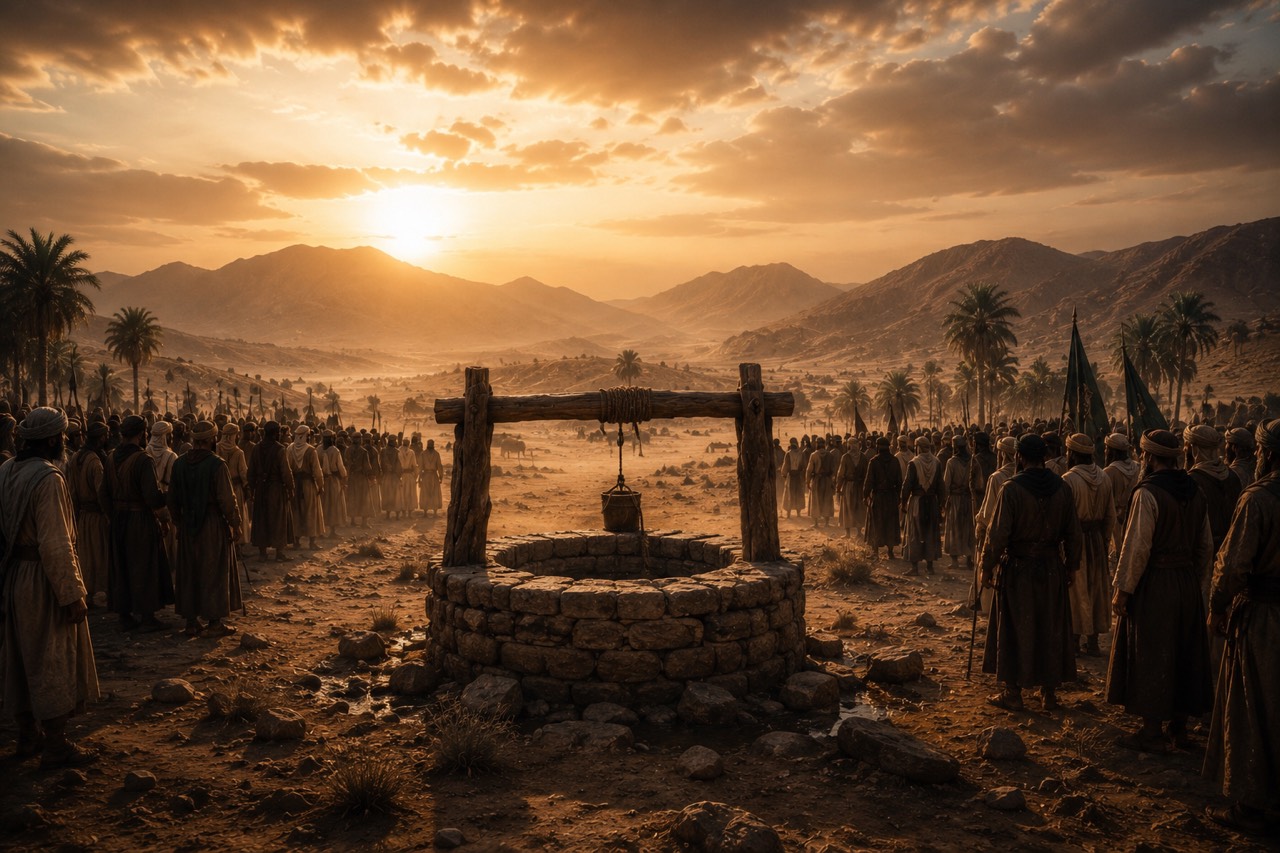
،،،،،،،،تابع للجزء الاول وبقي النبي اياماً في ديار بني المصطلق،،،ولكن كان المنافقون قلوبهم تمتلأ غيظاً من المسلمون خاصة رأس المنافقين {{ بن ابي سلول }} حيث أرجع المسلمون الغنائم من أيديهم وردوها الى بني المصطلق بعد اسلامهم و{{ ابن ابي سلول }} واصحابه المنافقون ما خرجوا أصلاً إلا لهذه الغنائم ،،، ، فلم يخرجوا ايماناً بل نفاقاً فغاظه ذلك وأخذ يترقب فرصة كيف يوقع فتنة بين صفوف المسلمين وجلس النبي مطمئناً مرتاحاً ،،،،وقد أصبح القوم إخوانهم بالدين وأصهار النبي و ذهب رجلان في اليوم الثاني من المسلمين الى بئر {{ المريسيع }} ليملئا أسقيتهما وكما قلنا مريسيع تذرف الماء ذرفا ، قليلا قليلا ، فلا بد أن يقف الرجل كثيراً ، اذا انتشل الماء حتى تتجمع المياه مرة اخرى ولكنهما تنازعا الماء ، كل منهما يريد أن يسقي قبل الآخر أحدهما من المهاجرين واسمه {{ جهجاه }} وكان يعمل أجيرا عند {{ عمر بن الخطاب }} ورجل من الأنصار واسمه {{ سنان }} فتنازعا الدلو كل واحد يريد أن يسقي قبل الآخر وتطور الأمر الى أن {{جهجاه}} من المهاجرين ضرب {{سنان}} على وجهه فسالت الدماء من أذنه فلما رأى سنان الدم، صاح بشعار الجاهلية: ياااا آل الخزرج (نادى قومه ) لانهم حديثي عهد بالاسلام فكان احدهم اذا ضرب او اعتدي عليه في الجاهلية ينادي قومه ) فصاح جهجاه :_ يااا آل قريش وكان الناس في خيامهم ، ولم يميزوا الصوت فسمع النبي الصراخ كما سمع الناس فكان النبي اسبق الناس الى الصوت فخرج من خيمته مسرعاً نحو الصوت فإذا هما الشابين !!!! وتجمع الناس، واذا قوم من الخزرج يأتون من هاهنا واذا برجال من قريش يأتون من هاهنا وكلهم مشهرٌ سيفه ، يريدون أن يعرفوا ماالخبر ؟!! فنظر النبي إليهما ورفع كلتا يديه يؤدبهما ويقول :_ أبدعوى الجاهلية ، وانا بين ظهرانيكم و سألهم ما الأمر ؟ !!!! فحدثوه بما وقع بينهما ثم نظر النبي الى اصحابه الذين تجمعوا وقال :انصر أخاك ظالماً أو مظلوماً فتعجب الصحابة قالوا : إن كان مظلوماً نصرناه يا رسول الله ،،،، فكيف إن كان ظالماً ؟ !!!! قال :_ تردوه عن ظُلمه وذلك نُصرته فتكلم النبي مع المظلوم حتى أرضاه وصفح عن صاحبه واسقط حقه ،،،وتكلم مع الظالم وأنبه حتى أعتذر ،،، واصلح الأمر في رمشة عين امتثل المهاجرون والأنصار لأمر النبي،،،، وحل الخلاف الذي وقع بين الرجلين برمشة عين ولكن المنافقون وجدوها فرصة لهم لإنشاء مشكلة بين المهاجرين والأنصار فجلس رأس المنافقين {{ ابن سلول }} في خيمته ومعه بعض المنافقين فنظر بمن حوله و أراد أن يثير الدماء في عروقهم ،،،، فقال لمن معه بلهجة المتعجب المستهجن يحاول تعبئة وتحريض الأنصار على المهاجرين قائلًا: أَوقد فَعلُوها ؟،،،،، هذا ما كنت أخشاه ،،،، وكنت كارهاً منذ أن دخلوا دارنا ،،،ولكن هذا ما فعلتموه بأنفسكم ،،،، آويتموهم وقاسمتموهم الاموال والديار ، ،،، ثم جعلتم أنفسكم غرض للمنايا دونهم ،،،، فمِتُّم و يَتَمْتُم اطفالكم ،،،، وكثروا هم حتى نازعوكم في دياركم ،،، أما والله لو أمسكتم عنهم ما بأيديكم لتحولوا الى غير بلادكم ،،،، أما والله لئن رجعنا الى المدينة، ليخرجن الأعز منها الأذل معنى كلامه ان الانصار هم اصحاب الديار والمدينة المنورة ، فهم اعزاء ، وان المهاجرين هاربين مشتتين غلابة لاجئين و اذلاء ... وكان من ضمن الجالسين وسمع هذا الكلام غلام صغير،،،، عمره ١٤ عام و اسمه {{ زيد بن أرقم }} من الخزرج ولكنه صادق الايمان فذهب الى الرسول وكان حول النبي مهاجرين وانصار دخل هذا الفتى الصادق ،،، وكان النبي يحبه ويحترمه،،،، حتى ان النبي عندما وجده يحفظ القران قال له : يا زيد أراك تحفظ ما ينزل من القران فبارك الله بحفظك ،،،، ألا تتعلم لغة يهود حتى اذا جاء كتاب او ارسلنا إليهم أوكلته إليك ؟؟ قال : اجل يا رسول الله فأتقان لغتهم وكتابتهم وهو لم يصل لعمر البلوغ وعمره ١٤ سنة دخل زيد على النبي وحوله المهاجرين والانصار فلم يمنعه ذلك من قول كلمة الحق قال : يارسول الله كنت في خيمة {{ ابن سلول }} وقد قال كذا وكذا وكذا ، وقص عليه حديثه كله فتغيرت وجوه الصحابة جميعاً مهاجرين وأنصار ،،، الانصار لانها عيبة في حقهم و خرجت من كبيرهم،،،، والمهاجرين لانه تكلم عليهم و وصفهم بالاذلاء وغضب النبي غضبا شديدا ،،، فنظر الى القوم وأراد أن يمتص غضبهم فقال :يا فتى لعل في نفسك على صاحبك شيء فقلت عليه ما قلت ؟؟ قال :لا والذي بعثك بالحق يارسول الله ،،،، ليس بيني وبينه إلا اخوة الاسلام !!! قال : لعله اخطء سمعك ،،،، فلم تحسن أن تنقل ما سمعت ؟؟ قال : لا والله ما اخطء سمعي ،،،، ولا تّقولت عليه ولا بحرف واحد ،،، لقد قال ما قلته لك ، كلمة ، كلمة !!! فقام عمربن الخطاب وقال يا رسول دعني اضرب عنق هذا المنافق فقال له النبي:_ لا لا يا عمر ،،،،، كيف يا عمر إذا تحدث الناس أن محمدا يقتل اصحابه ؟؟ (لأن ابن سلول مسلم في نظر الناس) وكان النبي حريص جدا على ألا يترك فرصة لأحد أن يشوه صورة الإسلام حيث أنّ قَتْل المنافق هذا فيه فوائد كبيرة، لأنه رأس المنافقين، وقتله يحقق الاستقرار في المدينة،،،،، ولكن قتله سينفر الناس من الإسلام سواء الذين دخلوا الإسلام حديثا أو الذين لم يدخلوا في الإسلام، وسيعطي أعداء الإسلام فرصة لتشويه صورة الإسلام فتحرك الجيش بالرحيل ،،،، ولم يكن ذلك هو الوقت الذي اعتاد المسلمون الرحيل فيه،،،، فقد كان الجو حاراً والنبي لا يرحل بمثل هذا الوقت ابدا وذلك حتى يشغل الناس عن الكلام في هذا الموضوع ، لأنها فتنة وجاء الى النبي {{ أسيد بن حضير }} وكان من سادة ومن فرسان الأوس وقال: يارسول ، أرحيل في مثل هذه الساعة ؟؟ فقال له النبي : أما بلغك ما قال صاحبك ابن سلول؟ زعم أنه إذا قدم المدينة سيخرج الأعز منها الأذل ؟ قال أسيد: لا والذي بعثك بالحق يارسول الله ،،،،انت الذي تخرجه إن شئت ،،،، وهو والله الذليل وأنت العزيز فبلغ لرأس المنافقين {{ ابن ابي سلول }} ان كلامه وصل للنبي فذهب الى النبي يكذب الخبر ،،،،، ومعه بعض أصحابه من المنافقين،،،، وأخذ {{ ابن ابي سلول }} يحلف بالله أنه ما قال هذا،،،، وأخذ أصحابه من المنافقين يحلفون أن {{ ابن ابي سلول }} لم يقل هذا،،،، وأخذ من حضر من الأنصار يدافع عن {{ ابن ابي سلول }} ويقولون : يا رسول الله عسى ان يكون الغلام قد أخطء بنقل الحديث ،،،، وأخذوا يدافعون عنه لأنه كان شريفا في قومه،،،، وانصب اللوم والعتاب كله على هذا الغلام الصغير {{ زيد بن ارقم }} ،،،، وأخذ زوج أمه {{عبد الله بن رواحة}} يلومه ويعنفه، لأن {{زيد }} كان يتيما،،،، واعتزل {{ زيد }} عن الناس و ابتعد عنهم ومضى النبي بالرحيل في وقت مبكر حتى جاء الليل،،،، ثم سار بهم طوال الليل حتى جاء النهار فلم يقف بهم ابدا ثم أخذ في السير حتى ارتفعت الشمس واشتدت،،،،ثم نزل الناس،،،، فناموا على الفور في العراء حتى ينشغل الناس عن الحديث فيما حدث ونامت معهم الفتنة ثم سار بهم طوال الليل حتى جاء النهار ،،،،، و زيد مهموم،،، يناجي الله في قلبه عمره ١٤ سنة يقول : اللهم إني أَقَل من ان تنزل في شأني قران ،،،، ولكني ارجوك يارب أن تلقي في قلب نبيك إلهام ،،،،ان يصدقني فقط،،، ولا يقال عني بين القوم اني كذاب فتان،،،، وكان يواكب النبي بالمسير ( اي يجعل راحلته قريبة من راحلة النبي ) يقول زيد بن ارقم: و أنا أوكبه بالسير ( امشي جنب النبي) حتى كانت ساعة بعد طلوع الفجر وقبل شروق الشمس واذا براحلة النبي تثقل بسيرها ،،، فأخذت ترفع رجلها وتضعها ببطئ،،، فعلمت أنه يوحى لرسول الله ( حيث كان اذا أُوْحِي إليه وهو على ظهر راحلته لا تستطيع الراحلة ان تسير) قال زيد : فغشيه ما غشيه عند نزول الوحي ،،، وتصبب جبينه عرقاً ،،،، وثبتت راحلته قدميها بالارض،،،، وانا اقف بجانبه براحلتي فلما أُسري عنه نظر الى يمينه فرآني ،،،، فأبتسم لي في وجهي،،،، وقال بأعلى صوته : يااا زيد قلت : نعم يارسول الله فأقترب براحلته مني، ،،،.، وقال : لقد وفا الله بسمعك يا غلام ثم نظر النبي الى اصحابه واشار الى زيد وقال لهم : هذا الذي صدق القران سمعه ثم قرأ عليهم سورةالمنافقون وهذه بعض اياتها قال تعالى {{ هُمُ الَّذِينَ يَقُولُونَ لا تُنفِقُوا عَلَى مَنْ عِندَ رَسُولِ اللَّهِ حَتَّى يَنفَضُّوا وَلِلَّهِ خَزَائِنُ السَّمَاوَاتِ وَالأَرْضِ وَلَكِنَّ الْمُنَافِقِينَ لا يَفْقَهُونَ * يَقُولُونَ لَئِن رَّجَعْنَا إِلَى الْمَدِينَةِ لَيُخْرِجَنَّ الأَعَزُّ مِنْهَا الأَذَلَّ وَلِلَّهِ الْعِزَّةُ وَلِرَسُولِهِ وَلِلْمُؤْمِنِينَ وَلَكِنَّ الْمُنَافِقِينَ لا يَعْلَمُونَ}} وصلى بهم النبي الفجر وقرأ عليهم في صلاته {{ سورة المنافقون }} فلم سمع الصحابي الجليل {{ عبد الله بن عبد الله بن أبي }} ان هناك ايات نزلت بحق أبيه و أنّه انكشف نفاقه،،،، اعتقد ان النبي سيأمر بقتله فذهب الى النبي وكان من خيرة الصحابة وقال : السلام عليك يارسول الله فرد عليه السلام ورحب به قال : يا رسول الله،،،، إنه بلغني أنك تريد قتل والدي{{عبد الله بن أبي}} في ما بلغك عنه، ،،، فإن كنت فاعلاً، فأنا أحمل إليك رأسه فوالذي بعثك بالحق يارسول الله،،،، لقد علمت الخزرج ما كان لها من رجل أبرّ بوالده مني ( كان معروف ببره لوالده )،،،،و إني أخشى أن تأمر به غيري ،،،، فيقتله فلا تدعني نفسي أنظر إلى قاتل أبي يمشي في الناس فأقتله،،،،فأقتل مؤمنا بكافر ،،، فأدخل النار فبكى النبي حتى أبتلت لحيته لأنه موقف مؤثر ،،،، وقال : يا عبدالله ،،،، ما هممت بقتله ،،،، ولن نقتله،،،،بل نرفق به ،،،ونحسن صحبته ما بقي معنا فأطمئن عبدالله وانطلق ،،،ولكن المسالة لم تنهتي من راسه يريد أن يأدب اباه وعندما اقترب الجيش من المدينة والرسول كعادته يجعل الجيش أمامه ويكون هو آخرهم ،،، ويقول {{دعوا ظهري للملائكة فإنها تمشي خلفي }} فسبق {{ عبد الله بن عبد الله بن ابي بن سلول}} الجيش كله ووقف بسيفه على مدخل المدينة وقف يستعرض الناس وكل ما مر منه صحابي من مهاجرين وأنصار ،،،، يقول : دونك ،،،، دونك ( إي امشي،،،اعبر ) حتى اذا اقبل أبوه {{ ابن ابي سلول }}،،،،سل سيفه و وضعه في وجه ابيه ،،، فأخذ بخضام راحلته ،،،، وأناخها على الارض ،،،، ووضع قدمه على يد الناقة كي لاتقوم ولا تتحرك ،،،، ووضع السيف على عنق ابيه وقال : تزعم يا عدو الله بأنك عزيز،،،،ورسول الله ذليل ؟؟ وأنك متى شئت تخرجه من مدينته ،،،،لا والذي بعثه بالحق،،،، لهو العزيز فينا ،،،،وانت الذليل ابن الذليل ،،،، والذي بعثه بالحق نبياً ،،،،، لن تدخل مدينته حتى يأذن هو لك وكلما مر الناس ورأوه يقولون ماهذا يا عبدالله؟؟ يقول لهم لا شأن لكم امضوا ، امضوا حتى اقبل النبي وكان آخر الناس ،،، فلمّا رآى النبي عبدالله ممسك بأبيه قال : ما بك يا عبدالله ؟؟ فقال عبدالله: فوالله الذي لا إله إلا هو ،،،، لا يدخل مدينتك ولا يجاورك فيها ،،،،حتى تأذن له انت بأذن صريح فبكى النبي مرة ثانية ،،،وقال :اغمد سيفك يا عبدالله،،،، وخلي عن أبيك ،،،قلت لك سنحسن صحبته مادام بين اظهرنا ،،،فنفض نفسه ابوه وقام يصرخ هكذا دخل المنافقون المدينة بعد أن افتضح أمرهم، وقد امتلأت قلوبهم بالغيظ والحقد على المسلمين ولذلك سنرى بعد ذلك بمجرد دخولهم المدينة، حاولوا الطعن في شرف النبي فأتهموا زوجته بنت الصديق أبو بكر {{ عائشة }} بالزنا
The Battle of Banu al-Mustaliq and the Fitnah – Part Two (Continued from Part One) The Prophet ﷺ remained for several days in the territory of {{Banu al-Mustaliq}}. Although peace had been established after the tribe embraced Islam, the hypocrites—especially their leader {{Abdullah ibn Ubayy ibn Salul}}—were filled with resentment. The Muslims had returned the captives and spoils to Banu al-Mustaliq after their conversion, and this deeply angered Ibn Ubayy. He and the hypocrites had joined the campaign hoping to gain war booty, not out of faith. He therefore began looking for an opportunity to sow division among the Muslims. The Prophet ﷺ was at ease, as the former enemy had now become both brothers in faith and relatives through marriage. The following day, two Muslim men went to the well of {{al-Muraysi’}} to fill their water skins. As mentioned earlier, the well produced water only slowly, so people often had to wait for it to refill. The two men disputed over whose bucket should be filled first. One was {{Jahjah}}, a Muhajir who worked for {{Umar ibn al-Khattab}}, and the other was an Ansari named {{Sinan}}. The disagreement escalated until Jahjah struck Sinan in the face, causing blood to flow from his ear. Seeing the blood, Sinan instinctively cried out with the old tribal slogan of the pre-Islamic era: “O Khazraj!” He called upon his tribe for support, as people had done before Islam whenever they were attacked. Jahjah responded by shouting: “O Quraysh!” People rushed out from their tents, unable to tell what had happened. The Prophet ﷺ also heard the shouting and was the first to reach the scene. When he arrived, he found that it was merely the two young men. Meanwhile, groups of Khazraj men approached from one direction, while men from Quraysh came from another, all with their swords drawn, wanting to know what had happened. The Prophet ﷺ raised both hands in disapproval and said: “Are you calling with the slogans of the Days of Ignorance while I am still among you?” He then asked what had happened, and they explained the dispute. Turning to those gathered, he said: “Support your brother, whether he is the oppressor or the oppressed.” The Companions were surprised. They asked, “O Messenger of Allah, we understand helping him if he is oppressed—but how do we help him if he is the oppressor?” He replied, “By preventing him from committing oppression—that is how you support him.” The Prophet ﷺ spoke with the injured man until he forgave his companion, then admonished the aggressor until he apologized. The matter was resolved within moments. The Muhajirun and the Ansar obeyed the Prophet ﷺ, and the dispute ended immediately. But the hypocrites saw this as the perfect opportunity to create conflict between the Muhajirun and the Ansar. Ibn Ubayy gathered some of the hypocrites in his tent and said with feigned outrage, trying to incite the Ansar against the Muhajirun: “Have they really done this? This is exactly what I feared from the day they entered our land. Yet you brought this upon yourselves. You welcomed them, shared your wealth and homes with them, exposed yourselves to danger while they remained safe. Your men died, your children became orphans, and now they have become so numerous that they compete with you in your own land. By Allah, if you withheld your support from them, they would leave for another place. By Allah, when we return to Madinah, the honorable will surely expel the humiliated.” By this he meant that the Ansar were the “honorable” people of Madinah, while the Muhajirun were refugees whom he described as “the humiliated.” Among those present was a fourteen-year-old boy named {{Zayd ibn Arqam}}, a member of the Khazraj who possessed sincere faith. He immediately went to the Prophet ﷺ, who was surrounded by both the Muhajirun and the Ansar. The Prophet ﷺ loved and respected Zayd. When he had noticed that the boy memorized the Qur’an well, he once said to him: “O Zayd, I see that you memorize the Qur’an as it is revealed. May Allah bless your memory. Will you learn the language of the Jews so that you can read their letters and write on our behalf?” Zayd agreed and mastered their language while still only fourteen years old. He now approached the Prophet ﷺ and said: “O Messenger of Allah, I was in the tent of Ibn Ubayy, and he said such-and-such…” He repeated everything he had heard. The faces of both the Muhajirun and the Ansar changed. The Ansar were ashamed that such words had come from one of their leaders, while the Muhajirun were angered at being described as humiliated. The Prophet ﷺ became deeply upset, but wishing to calm the situation, he asked gently: “Young man, perhaps you harbor some resentment toward your companion and therefore said what you said?” Zayd replied: “No, by the One who sent you with the truth. Nothing exists between us except the brotherhood of Islam.” The Prophet ﷺ said: “Perhaps you misunderstood what you heard.” Zayd answered: “No, by Allah. I neither misunderstood nor added a single word. He said exactly what I have told you.” At that point Umar ibn al-Khattab said: “O Messenger of Allah, let me strike off the head of this hypocrite.” But the Prophet ﷺ replied: “No, Umar. What would people say? They would say that Muhammad kills his own companions.” Although executing the chief hypocrite would have brought political stability to Madinah, the Prophet ﷺ refused because it would have driven new Muslims away from Islam and given its enemies an excuse to spread false accusations against it. The Prophet ﷺ therefore ordered the army to depart immediately, even though it was not the usual time to travel. The weather was extremely hot, and he never normally traveled at such an hour. He did so to occupy the people and prevent the matter from spreading further. Soon {{Usayd ibn Hudayr}}, one of the leaders of the Aws, came to him and asked: “O Messenger of Allah, are we departing at this hour?” The Prophet ﷺ replied: “Have you not heard what your companion Ibn Ubayy has said? He claims that when we return to Madinah, the honorable will expel the humiliated.” Usayd answered: “No, by the One who sent you with the truth. If anyone is to be expelled, you have every right to expel him. By Allah, he is the humiliated one, and you are the honorable one.” When Ibn Ubayy learned that his words had reached the Prophet ﷺ, he came with several hypocrites and repeatedly swore that he had never uttered those words. His companions also swore that he was innocent. Some members of the Ansar, trusting his reputation among his people, suggested that perhaps the young boy had misunderstood. As a result, the blame fell upon Zayd ibn Arqam. Even his stepfather {{Abdullah ibn Rawahah}} reproached him, and Zayd, who was an orphan, withdrew from the people in sadness. The Prophet ﷺ continued traveling, marching through the night and into the following day without stopping. Then, when the sun had risen high and the heat became intense, he finally halted. Everyone immediately fell asleep from exhaustion, and thus the people became occupied and the potential fitnah subsided. The journey resumed again through the night. Meanwhile, Zayd remained deeply distressed. In his heart he prayed: “O Allah, I am too insignificant for Qur’an to be revealed concerning me. But I ask You to place certainty in Your Prophet’s heart so that he will know I spoke the truth. I do not want the people to think I am a liar or a troublemaker.” He kept riding close beside the Prophet ﷺ. Then, shortly after dawn and before sunrise, the Prophet’s camel suddenly became extremely heavy in its movement. Zayd recognized the signs of revelation, for whenever revelation descended while the Prophet ﷺ was mounted, the camel could scarcely move. Zayd later said: “Revelation came upon him. Sweat poured from his forehead, and the camel planted its feet firmly on the ground while I remained beside him.” When the revelation ended, the Prophet ﷺ looked to his right, saw Zayd, smiled warmly, and called aloud: “O Zayd!” He answered, “Yes, O Messenger of Allah.” The Prophet ﷺ drew close and said: “Allah has confirmed what your ears heard, young man.” He then pointed to Zayd before the Companions and declared: “This is the one whose hearing the Qur’an has confirmed.” He then recited verses from Surat al-Munafiqun: “They are the ones who say, ‘Do not spend on those who are with the Messenger of Allah until they disperse.’ Yet to Allah belong the treasures of the heavens and the earth, but the hypocrites do not understand. They say, ‘If we return to Madinah, surely the honorable will expel the humiliated.’ But honor belongs to Allah, His Messenger, and the believers, though the hypocrites do not know.” The Prophet ﷺ also recited Surat al-Munafiqun during the Fajr prayer that morning. When {{Abdullah ibn Abdullah ibn Ubayy}}, the righteous son of Ibn Ubayy, heard that verses had been revealed exposing his father’s hypocrisy, he feared the Prophet ﷺ might order his execution. He came to the Prophet ﷺ and said: “O Messenger of Allah, I have heard that you may wish to execute my father because of what has reached you. If that is your decision, then allow me to bring you his head. By the One who sent you with the truth, the Khazraj know that no one has ever been more dutiful to his father than I have been. But I fear that if someone else kills him, I may not be able to bear seeing my father’s killer walking among the people, and I might kill a believer in retaliation for a disbeliever, thereby bringing destruction upon myself.” The Prophet ﷺ was deeply moved and wept until his beard became wet with tears. He replied: “O Abdullah, I have no intention of killing him. We will continue to treat him kindly as long as he remains among us.” Relieved, Abdullah departed. However, he still wished to discipline his father. As the army approached Madinah, the Prophet ﷺ, as was his custom, remained at the rear of the caravan, saying: “Leave the rear for the angels, for they walk behind me.” Abdullah rode ahead of everyone and stood at the entrance to Madinah with his sword drawn. He allowed every Muslim to pass. But when his father arrived, Abdullah seized the reins of his camel, forced it to kneel, placed his foot on its foreleg so it could not rise, and held his sword before him. He declared: “You claim that you are the honorable one and that the Messenger of Allah is the humiliated? By the One who sent him with the truth, he is the honorable one among us, while you are the humiliated son of a humiliated man. By Allah, you will not enter Madinah until the Messenger of Allah gives you permission.” People who passed by asked, “What are you doing, Abdullah?” He replied, “Go on. This is none of your concern.” Finally, the Prophet ﷺ arrived. Seeing Abdullah restraining his father, he asked: “What is the matter, Abdullah?” He replied: “By the One besides whom there is no god, he will not enter your city or remain beside you until you give him explicit permission.” The Prophet ﷺ wept again and said: “Sheathe your sword, Abdullah. Let your father go. I told you that we would continue to treat him well as long as he remains among us.” Abdullah obeyed, and his father entered the city humiliated. Thus, the hypocrites entered Madinah after their true nature had been exposed. Their hearts became even more filled with hatred toward the Muslims. Soon after returning to the city, they would launch an even greater slander—falsely accusing Aisha, the daughter of Abu Bakr and the wife of the Prophet ﷺ, of adultery.