
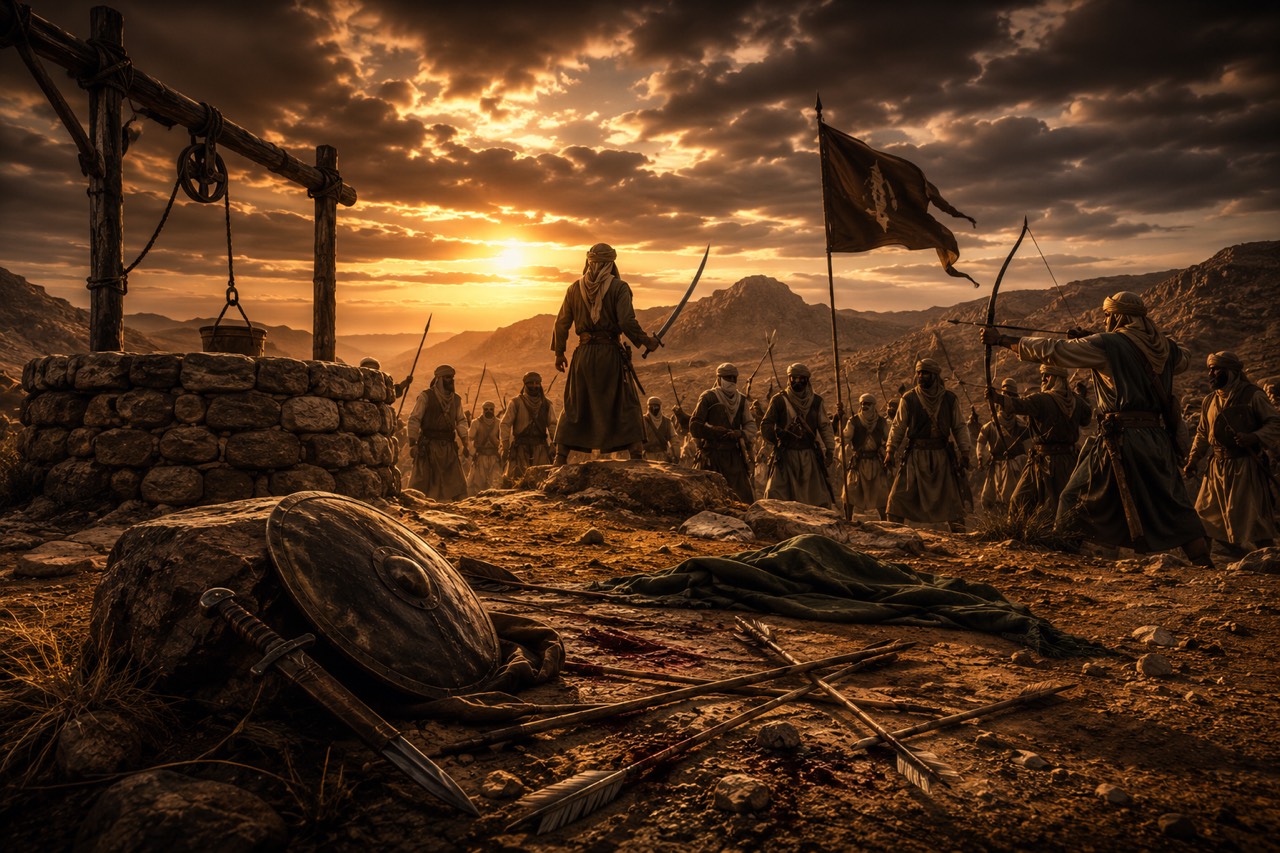
حادثة أهل الرَّجيع
استمرت قبائل الجزيرة العربية استغلال وضع المسلمين بعد غزوة أُحُد و أجتمعوا لمحاربة النبي والمسلمين في أرضهم تحت شعار {{ ما غُزي قوم في عقر دارهم إلا ذَلّوا }} و النبي لا يقبل الذل،،،، فكلما سمع بتحركهم باتجاه المدينة لقتالهم قام وهيأ الصحابة ليذهبوا ويقاتلوهم في ديارهم قبل أن يقدموا للمدينة فلجأت القبائل الى سياسة أخرى وهي الخدعة وهي بأن يتظاهروا أنهم مسلمون فيطلبوا من الرسول رجال يعلموهم القران والاسلام و سعى نفر من مكة الى رجال من قبيلتي {{ عضل والقارة }} هم بالأصل من قبيلة واحدة اسمها {{ هذيل }} قالوا لهم :_ نعطيكم مبلغ من المال مقابل أن تذهبوا لمحمد في يثرب [[ أي المدينة ]] وتتظاهرون أنكم مسلمون ، وتطلبون من محمد أن يرسل معكم من يفقهكم في الدين ثم تحضروا هؤلاء الرجال من أصحاب محمد ، وتسلموهم لنا . لكن لماذا أختارت قريش قبيلتي {{ عضل والقارة }} لهذه المَهَمَّة ؟؟ لأنهما من القبائل المتحالفة مع المسلمين ولذلك فلن يشك النبي في أنهما يضمران (يُخْفِيان) له الغدر اتفقت القبيلتين {{ عضل والقارة }} مع قريش وانطلق رجال منهم الى المدينة المنورة فلما وصلوا،، و دخلوا على رسول الله،،،وتظاهروا أنهم مسلمون قالوا :_ يا رسول الله إن فينا إسلاماً (اي انتشر الاسلام في قومنا)،،،،فابعث معنا نفراً من أصحابك ، يفقهونا ويقرئونا القرآن ، ويعلمونا شرائع الإسلام والنبي لا يعلم الغيب المطلق ،،، هو يقول ما يُوْحي إليه الله ويُخبره به،،، أمّا عِلْم الغيب المطلق فهو لله عزوجل وحده،،،، ولقد علمنا النبي أن نأخذ الأمور بالظواهر ونترك سرائر الناس لله عزوجل،،، لذلك قَبِل النبي طلبهم بناءا على ظاهر قولهم اي بأنهم مسلمون ولم يُطلعه الله على خديعتهم وأرسل معهم ١٠ من أصحابه وجعل عليهم أميرا عاصم بن ثابت بن ابي الأقلح وفي الطريق وعندما أصبحوا قريباً من بئر يقال له {{ الرجيع }} قريب من قريتهم {{ هذيل }} خرج إليهم قريب من ٢٠٠ مقاتل من هذيل وكان منهم ١٠٠ رامي لأنهم علموا أن أصحاب النبي، الرجل الواحد منهم يقتل أكثر من عشرة وهكذا وصفهم الله تعالى {{ إنْ يَكُنْ مِنْكُمْ عِشْرُونَ صَابِرُونَ يَغْلِبُوا مِائَتَيْنِ وَإِنْ يَكُنْ مِنْكُمْ مِائَةٌ يَغْلِبُوا أَلْفًا مِنْ الَّذِينَ كَفَرُوا }} و علموا أن أصحاب النبي لا تغلبهم الكثرة فلذلك كثروا الكثرة أكثر (٢٠٠ مقابل ١٠ فقط) فأخذ الصحابة سيوفهم، وأخذوا يقاتلوهم حتى أحاطوا بهم في تل مرتفع،،،، وعلم القوم إن هم قاتلوهم، فسيقتلون منهم مئة قبل أن يُقتلوا،،،، فأصحاب محمد لا يهابون الموت ابداً وحاولوا أن يُغْروهم بالإستسلام ووعدوهم بعدم قتلهم فقالوا لهم :_نحن نعطيكم عهداً وذمة لا نقتلكم ، ولا نكسب بقتلكم شيء ، وإنما نريد أن نبيعكم لقريش عبيداً ونكسب المال والثمن ولكن قائد السرية عاصم بن ثابت رفض أن ينزل في ذمة كافر وقال : إني نذرت ألا أقبل جوار مشركٍ أبدا ،،،، لا والله لا انزل في ذمة مشرك ابدا ولا تمس يدي يد مشرك ،،، وأخذ هو وأصحابه يرمونهم بالسهام وأخذ المعتدين من {{ هذيل }} يرمونهم بالسهام ويرمونهم بالحجارة،،،، و بدأ يسقط من المسلمين قتلى،،، وسقط بعض القتلى ايضا من الجانب الآخر و نَفِذَت سهام المسلمين،،،، فأخذوا يقاتلونهم برماحهم وسيوفهم حتى تكسرت رماح المسلمين هنا كسر عاصم بن ثابت غمد سيفه (وهذا يعني أنّه لن يُرْجِع سيفه بل سيقاتل حتى الموت ) وهو الصحابي الذي شهد {{ بدر و أحد }} ويوم أُحُد، كان همه أن يصيب حَمَلة اللواء في قريش ،،،وكانوا من {{ آل أبي طلحة }} فقد تعاقب على اللواء أخوين امهم أسمها {{ سلافة }}،،،،وكانت سلافة هذه مع نساء قريش يوم معركة أحد،،،،جالسة قريبة من حملت اللواء ،،،،، وكانت تنظر الى أبناءها الذين يحملون اللواء فلما حمل اللواء ابنها و اسمه {{ مسافع }}،،،، و قد رماه الصحابي عاصم بن ثابت بسهم و كانت أصابته بليغة ،،، فأعطى اللواء لأخيه وذهب يجري لأمه ، و وضع رأسه في حِجرها وقال لها :_ السهم يا أماه !!!! فأنتزعت السهم وهي تقول :_ من أصابك يا ولدي ؟!!! قال :_ سمعت الرامي يقول " خذها وانا أبن أبي الأقلح " فما أن رفعت السهم، خرجت روح أبنها حتى جاءها أبنها الثاني و قد أصابه سهماً قالت :_ من أصابك ؟ !!!! قال {{ أبن أبي الأقلح }} وهكذا قتل الصحابي عاصم أبن أبي الأقلح لها ولدين فلما رجعت من أحد ،، نذرت وعممت خبرها قائلة: من يمكّني من رأس عاصم ، لأشربن به القحف ولأعطينَّ حامله مئة من الأبل ( نذرت ١٠٠ ناقة مكافئة لمن يأتيها برأس عاصم لكي تجعل جمجمته وعاء لشرب الخمر) والصحابي عاصم عندما أسلم و وضع يده بيد النبي، قال :_ أعاهد الله وأعاهدك يا رسول الله ، بعد أن مسّت يدي يدك بالبيعة ، لن تمس يدي يدا مشركٍ ابداً ،ولا أسمح لمشركٍ أن يمسني ابداً لذلك عندما حاولت القبيلتين أخذ المسلمين لمكة، قال عاصم اميرهم : لا والله،،، لا أنزل في ذمة مشرك ابداً،،،ولا تمس يدي يد مشرك ،،،،،فما زال يقاتلهم حتى رأى انهم قاتِلوه،،، فرفع طرفه للسماء وقال :_ اللهم أبلغ نبيك عنا السلام،،، وأبلغه ما نزل بنا من الذين غدروا،،،اللهم إني قد وفيت لك بعهدي ما دمت حياً،،،اللهم وفّي لي بعهدي معك بعد موتي،،، اللهم إني حميت دينك أول نهاري،،،فاحم لي لحمي آخره ( يقصد بدعاءه أن لا يمس جسده احد لانه يعلم بنذر سلافة) وأخذ يقاتل حتى قُتِل،،،، وقتل معه الصحابة ولم يبق الا ثلاثة فقط خبيب بن الدثنة زيد بن الدثنة عبدالله بن طارق فأخذوا يتفاوضوا مع هؤلاء الثلاثة على الإستسلام ووعدوهم بعدم قتلهم،،، فوافقوا على ذلك فقام رجال القبيلتين بربطهم بأوتار أقواسهم فقال عبد الله بن طارق: هذا أول الغدر،،، فرفض أن يسير معهم،،،،وأخذ يقاومهم وهم يجرجروه ،،،، فلما أجهدهم قتلوه ولم يبقى إلا أثنين: خبيب ، وزيد و كان يعلم القوم بقيمة رأس عاصم فإن فيه ١٠٠ ناقة من سلافة،،،فحاولوا أن يقطعوا رأسه و لكن عاصم بن ثابت قد طلب من الله أن يحمي جسده والنبي يقول : إن تَصْدِق الله،،، يَصْدِقْك فأنزل الله من جنوده (مجموعة من الدبر على عاصم (والدبر هي ذكور النحل )) فأخذت تحوم على جثته،،، فما دنى احد منه ،،،، إلا لدغته لدغة مؤلمة فقالوا : دعوه الى الليل،،، فاذا جاء الليل ،،،ذهب عنه الدبر (لأن الدبابير تنام إذا أقبل الليل ) فلما جاء الليل،،، بعث الله غمامة فوقهم بالمنطقة وصبت ماءً ، غزيراً ، منهمراً حتى سالت سيلًا كبيرا فحمل جسده، فلم يتمكنوا من الراس ولا الجثة {{ إن تَصْدِق الله يَصْدِقْك }} و بقي معهم اسيرين فقط (خبيب و زيد)،،،،ومضوا بالاسيرين ، و انطلقوا بهما الى قريش،،، وباعوا خبيب الى بنو الحارث بن عامر لأن خبيب هو الذي قتل أبوهم الحارث بن عامر في بدر وباعوا زيد بن الدثنة الى صفوان بن أمية ليقتله انتقاما لمقتل أبيه أمية بن خلف في بدر كذلك
The Incident of al-Raji’ The Arab tribes continued to exploit the Muslims’ weakened position after the Battle of Uhud. They united in plans to wage war against the Prophet ﷺ and the Muslims in their own land, guided by the saying: “No people are invaded in the heart of their own land except that they are humiliated.” The Prophet ﷺ would never accept humiliation. Whenever he learned that hostile tribes were preparing to march on Madinah, he would mobilize the Companions and confront them before they could reach the city. Unable to succeed by open warfare, some tribes turned to deception. A group from Makkah approached men from the tribes of ʿAdal and al-Qārah, both branches of the larger tribe of Hudhayl. They offered them money in exchange for a plot: “Go to Muhammad in Yathrib (Madinah), pretend that you have embraced Islam, and ask him to send companions to teach you the Qur’an and the religion. Then deliver those men to us.” Quraysh chose ʿAdal and al-Qārah because they were allied with the Muslims, making it unlikely that the Prophet ﷺ would suspect treachery. The two tribes agreed and traveled to Madinah. Standing before the Prophet ﷺ, they claimed: “O Messenger of Allah, Islam has spread among our people. Send with us some of your Companions to teach us the Qur’an and the teachings of Islam.” The Prophet ﷺ did not possess absolute knowledge of the unseen. He only knew what Allah revealed to him. As he had taught, people are judged by what is outward, while their inner intentions are left to Allah. Seeing only their apparent sincerity, and since Allah had not revealed their plot to him, he accepted their request. He sent ten Companions, appointing ʿĀṣim ibn Thābit ibn Abī al-Aqlaḥ as the leader of the sariyyah (military mission). On their journey, when they reached a well known as al-Rajiʿ, near the territory of Hudhayl, nearly two hundred warriors suddenly emerged against them, including one hundred archers. They knew the courage of the Prophet’s Companions. Allah had described them: “If there are twenty steadfast among you, they will overcome two hundred; and if there are one hundred among you, they will overcome one thousand of those who disbelieve.” Knowing that numbers alone did not easily overcome the believers, they came with overwhelming force—two hundred against only ten. The Companions drew their swords and fought until they reached an elevated hill. Their attackers realized that if they continued fighting directly, many of their own men would be killed before the Muslims fell. The Companions of Muhammad ﷺ never feared death. The attackers then offered them safety. “We give you our pledge that we will not kill you. We gain nothing by your deaths. We only intend to sell you to Quraysh as captives.” But ʿĀṣim ibn Thābit, the commander, refused. He declared: “I have vowed never to accept the protection of a disbeliever. By Allah, I will never surrender under the guarantee of a polytheist, nor will my hand ever touch the hand of a polytheist.” He and his companions continued shooting arrows. The men of Hudhayl answered with arrows and stones. Muslims began to fall one after another, though some of the attackers were also killed. Eventually the Muslims exhausted their arrows. They fought with spears and swords until even their spears broke. At that moment, ʿĀṣim broke the sheath of his sword—a sign that he would never return it until he was martyred. He was one of the Companions who had fought at both Badr and Uhud. During the Battle of Uhud, his main target had been the standard-bearers of Quraysh from the family of Āl Abī Ṭalḥah. Two brothers, whose mother was Sulāfah, carried the banner in succession. Sulāfah herself had been present at Uhud with the women of Quraysh, watching her sons. When her son Musāfiʿ carried the banner, ʿĀṣim struck him with an arrow that mortally wounded him. He handed the banner to his brother and staggered to his mother, laying his head in her lap. “The arrow, Mother…” She pulled it out and asked: “Who struck you, my son?” He replied: “I heard the archer say, ‘Take it—from the son of Abī al-Aqlaḥ.’” As she withdrew the arrow, he died. Soon afterward her second son also arrived, wounded by another arrow. “Who struck you?” “The son of Abī al-Aqlaḥ.” Thus, ʿĀṣim had killed two of Sulāfah’s sons. After returning from Uhud, she publicly vowed: “Whoever brings me the head of ʿĀṣim shall receive one hundred camels.” She intended to use his skull as a drinking vessel for wine. When ʿĀṣim had embraced Islam and pledged allegiance to the Prophet ﷺ, he had said: “I pledge to Allah and to you, O Messenger of Allah, that after my hand has touched yours in allegiance, it shall never again touch the hand of a polytheist, nor will I ever allow a polytheist to touch me.” That is why, at al-Rajiʿ, he refused every offer of surrender. Realizing that he would soon be killed, he raised his eyes to the heavens and prayed: “O Allah, convey our greetings to Your Prophet, and inform him of what these traitors have done to us. O Allah, I have fulfilled my covenant with You while I lived; now fulfill Your covenant with me after my death. O Allah, I protected Your religion at the beginning of this day, so protect my body at its end.” He fought until he was martyred, along with most of his companions. Only three men remained alive: * Khubayb ibn ʿAdī * Zayd ibn al-Dathinnah * ʿAbdullah ibn Ṭāriq The attackers again promised them safety if they surrendered, and they agreed. But as soon as they surrendered, the tribesmen tied them with the strings of their bows. Seeing this betrayal, ʿAbdullah ibn Ṭāriq said: “This is the first act of treachery.” He refused to continue with them and resisted as they dragged him along, until they finally killed him. Only Khubayb and Zayd remained captive. The attackers remembered Sulāfah’s reward of one hundred camels for ʿĀṣim’s head, so they tried to cut it off. But Allah answered ʿĀṣim’s prayer. The Prophet ﷺ said: “If you are truthful with Allah, Allah will be truthful with you.” Allah sent a swarm of male bees (or wasps) that surrounded his body. Whenever anyone approached, they were painfully stung. They said: “Leave him until nightfall. When night comes, the insects will leave.” But when night arrived, Allah sent a heavy rainstorm. Torrents swept through the valley, carrying ʿĀṣim’s body away. They were unable to obtain either his head or his body. “If you are truthful with Allah, Allah will be truthful with you.” The captors continued with only two prisoners—Khubayb and Zayd. They took them to Quraysh in Makkah. Khubayb was sold to Banū al-Ḥārith ibn ʿĀmir, because he had killed their father, al-Ḥārith ibn ʿĀmir, at Badr. Zayd ibn al-Dathinnah was sold to Ṣafwān ibn Umayyah, who intended to execute him in revenge for the death of his father, Umayyah ibn Khalaf, who had also been killed at Badr.