
إجت الحزينة تفرح، ما لقت إلها مَطْرح/ اللهجة الفلسطينية الأردنية
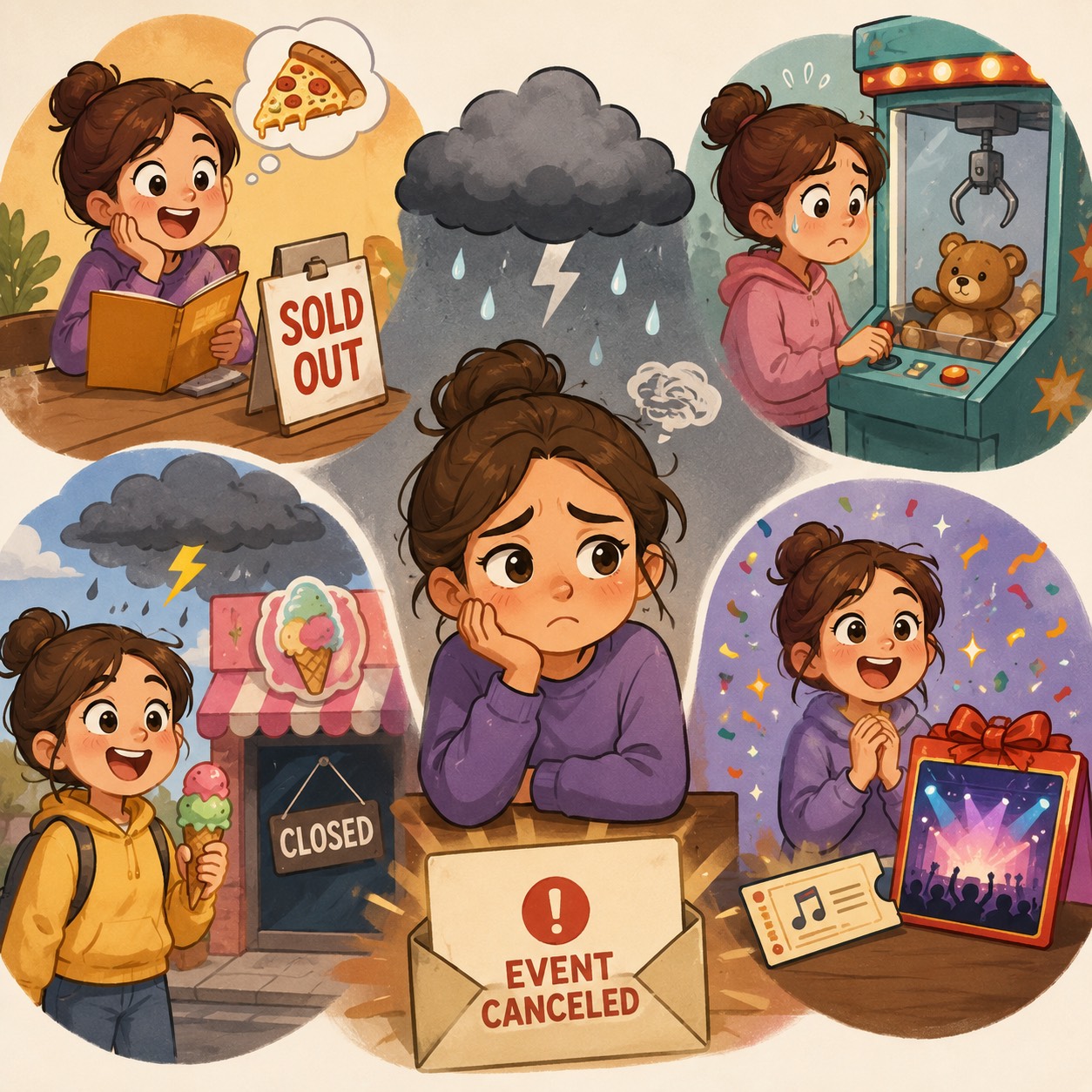
كان في بنت اسمها هنا، وكل اللي حواليها كانوا يمزحوا معها ويقولولها إنّها مش محظوظة. إذا طلبت أكلها المفضل، بيخلص قبل ما يوصل دورها. وإذا لعبت بأي لعبة، عمرها ما ربحت. حتى مرة راحت تشتري بوظة، أول ما وصلت قطعت الكهرباء وسكّر المحل. كل مرة كانت بتضحك و بتحكي: “واضح إن الحظ عامل إلي بلوك.” بيوم من الأيام، ربحت الشركة اللي بتشتغل فيها تذاكر لحفل كبير، وكل موظف دخل السحب. ولأول مرة بحياتها… طلع إلها اسم هنا. ما صدقت حالها. فرحت كثير، وبلشت ترتّب شو رح تلبس، وحتى أخدت إجازة من الشغل. بس قبل الحفلة بيوم، وصلتهم رسالة من الشركة: “نعتذر… تم إلغاء الحفل بسبب عطل مفاجئ.” هنا ضلّت تطلع بالرسالة وهي مش فاهمة. ثاني يوم بالشغل، زميلتها سألتها: “شو صار بالحفلة؟” ضحكت هنا وقالت: “ولا إشي… بس إنلغت.” وقتها انفجروا الشباب ضحك، وقال واحد منهم: “والله… إجت الحزينة تفرح، ما لقت إلها مطرح.” حتى هنا ضحكت وقالت: "على حظ الحزينة، سكّرت المدينة" وبعدها دخل عليهم أبو فادي، أقدم موظف بالشركة، وسمع الحكي، فضحك وقال: “هاي بتذكرني كمان بمثل المتعوس متعوس ولو علّقوا على راسه فانوس.” وضحكوا كلهم، حتى هنا، لأنها عرفت إنهم بمزحوا معها، وإنه حظها فعلًا مش منيح. معنى المثل “إجت الحزينة تفرح، ما لقت إلها مطرح” بنحكيه بمزح لما نكون حاسّين حالنا مش محظوظين،،،، أو لما نشوف شخص حظّه بشع. * “المتعوس متعوس ولو علّقوا على راسه فانوس.” * “على حظ الحزينة… سكّرت المدينة.” * "إجت الحزينة تفرح، ما لقت إلها مَطْرح"
“The Unlucky One Came to Celebrate, but There Was No Place for Her” (Palestinian–Jordanian dialect proverb) There was a young woman named Hana, and everyone around her loved joking that she had the worst luck. If she ordered her favorite food, it would sell out before her turn. If she entered any game or raffle, she never won. One time, she even went to buy ice cream, and just as she arrived, the power went out and the shop had to close. Every time, she’d laugh and say, “Looks like luck has blocked me.” One day, the company she worked for raffled off tickets to a big concert, and every employee was entered into the draw. For the first time in her life… Hana’s name was selected. She couldn’t believe it. She was so excited, started planning what to wear, and even took a day off work for the event. But the day before the concert, the company sent everyone a message: “We’re sorry. The concert has been canceled due to an unexpected technical issue.” Hana just stared at the message in disbelief. The next day at work, her coworker asked, “So… how was the concert?” Hana laughed and replied, “Nothing happened… it got canceled.” Everyone burst into laughter, and one of her coworkers said, “The poor unlucky one finally came to celebrate… but there was no place for her.” Even Hana laughed and replied, “With my luck… the whole city closed down.” Just then, Abu Fadi, the oldest employee in the company, walked in, overheard the conversation, and laughed. He said, “That reminds me of another saying: ‘An unlucky person stays unlucky, even if you hang a lantern on their head.’” Everyone laughed—including Hana—because she knew they were only teasing her, and deep down, she also felt that luck never seemed to be on her side. Meaning of the proverb “The unlucky one came to celebrate, but there was no place for her” is a humorous expression used when we feel that nothing ever goes our way, or when someone seems to have unbelievably bad luck. Other proverbs with almost the same meaning are: * “An unlucky person stays unlucky, even if you hang a lantern on their head.” * “With the unlucky one’s luck… even the whole city closed down.” * “The unlucky one came to celebrate, but there was no place for her.” All three are commonly used jokingly when someone keeps running into bad luck or unfortunate coincidences.