
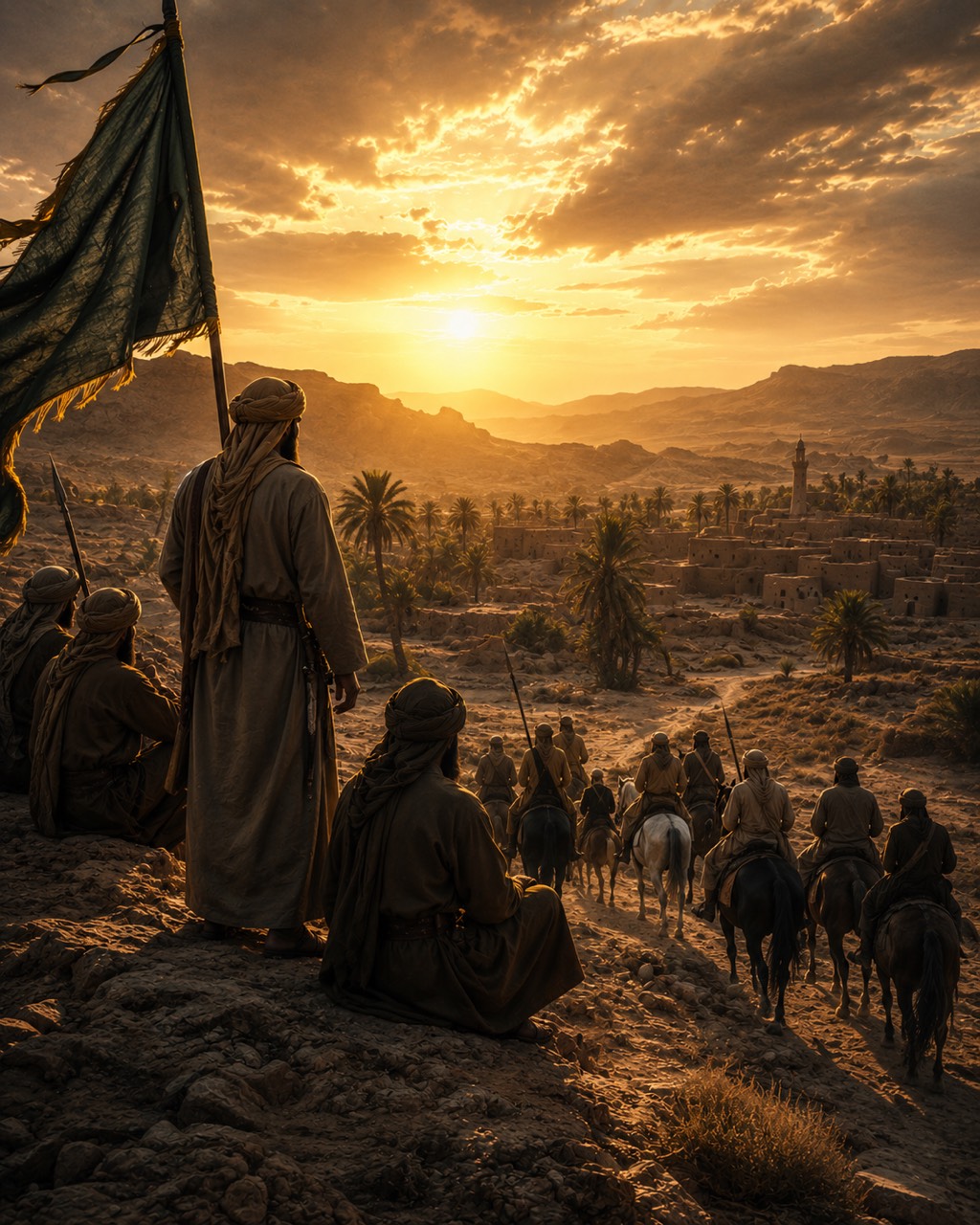
صعوبة حال المسلمين بعد غزوة أُحُد
وصل الى النبي بعد أُحُد بثلاثة أشهر فقط أخبار أن بعض العرب من قبيلة بني أسدِ تستعد للإغارة (للهجوم) على المدينة فقد ظَنُّوا أن كل من يريد أن يغزو المدينة يمكن له أن ينال من المسلمين (يقضي عليهم) فلما بلغ النبي ذلك، لم يمهلهم وإنما أرسل اليهم سَرِيَّة (السَرِيَّة هي معركة او غزوة لكن لا يكون الرسول موجود فيها)،،،، تتكون من ١٥٠ صحابي،،،،وجعل عليهم أميرا (قائدًا) أبو سلمة وهو ابن عمة رسول الله،، ، أمه {{ برة بنت عبد المطلب }} عمة النبي ،،،، ويكون أخو النبي في الرضاعة فلقد أرضعته وأرضعت النبي ثويبة وهي كانت عبدة او خادمة لدى ابي لهب ولقد اعتقها ابو لهب حين بشرته بمولد النبي عقد الرسول له لواء وقال له: اغدو على بركة الله وانزل خيلك قوم أسدِ فإنهما يجمعون للإغارة على المدينة واخذ معه دليل يجنبه طريق القوافل كي يأخذ القوم على غرة ( فجأة) فإن سياسة النبي كانت في الحرب وغيرها {{ استعينوا على قضاء حوائجكم بالكتمان }} واوصاه النبي اخذاً بالاسباب قال له : سر ليلاً،،، وأكمن نهاراً ،،،، تعمّ عنك الاخبار ( تُخْفي الاخبار عنك) فسار أبو سَلَمة على بركة الله حتى فاجئ القوم وهم مجتمعين عند ماء لهم،،،، فَفَرُّوا منه ،،، فأخذ جميع ما يملكون من أبل ، وشاة ،وغنائم ورجع خلال سبع ايام للمدينة المنورة و بعد فترة أيضًا من غزوة أُحُد، أراد خالد بن سفيان الهذلي أن يستغل وضع المسلمين بعد أُحُد وأن يستغل حالة الكراهية الموجودة في الجزيرة العربية ضدهم،،،،،، وبدأ يدعو لغزو المدينة واتخذ لنفسه مقرّ في وادي عرنة وهو مكان قريب من مكة ، و يبعد عن الحرم حوالي ٢٠ كم وبدأ بالفعل يتجمع عنده المقاتلين من المرتزقة الذين طمعوا في نهب خيرات المدينة و وصلت هذه الأخبار الى النبي ،،،، فقرر ألا يمهل هذا الرجل حتى يكثر جمعه، وأن يرسل له من يقتله، وكان ذلك أيضا في شهر مُحَرَّم من السنة الثالثة واختار النبي لهذه المهمة الصعبة شاب عمره ٢٨ عام اسمه عبد الله بن أنيس الجهني فكان النبي يختار من الصحابة مهَمّات تناسبهم،،،،فيختار للقيادة من يتمتع بسداد الرأي وحسن التصرف ويختار للدعوة والتعليم من يتمتع بغزارة العلم والمهارة في اجتذاب الناس ويختار للوفادة على الملوك والأمراء من يتمتع بحسن المظهر وفصاحة اللسان وفي الأعمال الفدائية يختار من يجمع بين الشجاعة وقوة القلب والقدرة على التحكم في المشاعر ولذلك اختار النبي لهذه المَهَمة الصعبة والخطيرة عبد الله بن أنيس الجهني وهي قتل خالد بن سفيان الهذلي لأن خالد كان من أشد وأقوى وأشرس المقاتلين العرب فلما حضر عبدالله،،،، قال له النبي : بلغني أن خالد بن سفيان بن نبيح الهذلي يجمع لي الناس ليغزو المدينة فائته فأقتله فقال له عبد الله بن أنيس :_ لبيك يا رسول الله،،، ، ولكن صِفْهُ لي حتى اعرفه فقال له النبي :_ إذا رأيته وجدت له قشعريرة (يعني يقشعر جسمك من شكله ) فأنطلق عبدالله حتى وصل الى منطقة عرنة،،،، فلمّا رآه، وجد ما وصف له رسول الله من القشعريرة فعندما اقترب عبّد الله من خالد ليقتله ثم خاف ان تضيع عليه الصلاة فقد دخل وقتها فماذا فعل عبدالله ؟؟ صلى وهو يمشي نحوه وأخذ يومأ (يحرّك) برأسه في الركوع والسجود وقد أقرّ الرسول بصلاته هذه بعد ذلك (الإقرار بالدين هو عدم الممانعة وهو أحد أشكال التشريع) واسم هذه الصلاة في كتب الفقه صلاة ( الطالب والمطلوب) فلما وصل عبدالله الى خالد بن سفيان قال خالد :_ من الرجل ؟ فقال له :_ رجل سمع بك وبجمعك،،،، فجاءك في ذلك (أي سمعت انك عم تجمع الناس لقتال محمد وغزو مدينته فجئت لِأُقاتلك) فمشى عبد الله وهو يحدثه ،،، ثم رفع سيفه وقتله فلم يراه احد وانطلق راجعا الى المدينة فلما دخل على النبي، استقبله النبي متهلل الوجه مشرقاً فرحاً وقال له :_ أفلح الوجه يا عبدالله (يعني من وجهك يبدو أنك نجحت بهذه المهمة ) فقال عبدالله :_ أجل قتلته يارسول الله فقام النبي ودخل حجرته، واحضر عصا وأعطاه أياها وقال له : أمسك هذه عندك يا عبدالله فخرج ومعه العصا قال له الصحابة :_ يا عبد الله ما هذه العصا ؟؟ قال :_ أعطانيها رسول الله ، وأمرني ان احتفظ بها قالوا :_ أولا ترجع للنبي وتسأله عنها فرجع الى النبي،،،، قال :_ يا رسول الله ، لمَِ اعطيتني هذه العصا ؟ قال له النبي :_ يا عبدالله إنها آية بيني وبينك يوم القيامة وبقيت هذه العصا مع عبدالله بن أنيس حتى ضُمَّت معه في كفنه ، ودفنت معه ، وسَيُبْعث من قبره وهو يحملها كما طلب منه رسول الله كانت هذه السرِيّات التي نفذها رسول الله بعد غزوة أُحُد دليل على مدى يقظة النبي في المدينة وتدل على حزم الرسول في التعامل مع الأخطار التي يمكن أن تتعرض لها المدينة فلو انتظر الرسول في المدينة حتى يحدث هجوم عليها لكانت مشكلة كبيرة
The Difficult Circumstances of the Muslims After the Battle of Uhud Just three months after the Battle of Uhud, news reached the Prophet ﷺ that members of the Banu Asad tribe were preparing to raid Madinah, believing that the Muslims had become vulnerable and could now be defeated. The Prophet did not wait for them to attack. Instead, he dispatched a military mission (sariyyah) of 150 Companions under the command of Abu Salamah ibn Abd al-Asad. Abu Salamah was the Prophet’s cousin through his maternal aunt Barrah bint Abd al-Muttalib, and also his foster brother, as both had been nursed by Thuwaybah, the freed servant of Abu Lahab. The Prophet handed him the banner and instructed him: “Proceed with Allah’s blessing. Lead your cavalry against Banu Asad, for they are gathering to attack Madinah.” He also appointed a guide to lead the force away from the main caravan routes so they could reach the enemy by surprise. This reflected the Prophet’s principle: “Seek the successful completion of your affairs through discretion and secrecy.” He further advised Abu Salamah: “Travel by night, conceal yourselves by day, so that news of your movements remains hidden.” Abu Salamah carried out the mission successfully. He surprised Banu Asad while they were gathered at one of their watering places. The tribe fled without resistance, leaving behind their camels, sheep, and other possessions, which were taken as spoils. The expedition returned safely to Madinah after seven days. ⸻ Some time later, Khalid ibn Sufyan al-Hudhali also sought to exploit the Muslims’ weakened condition after Uhud. Taking advantage of the widespread hostility toward Islam across Arabia, he began rallying tribes to attack Madinah. He established his base in Wadi ’Uranah, about 20 km from Makkah, where fighters and opportunists gathered in hopes of plundering Madinah. When these reports reached the Prophet ﷺ, he decided to act before Khalid’s force could grow. In Muharram of the third year after Hijrah, he selected Abdullah ibn Unays al-Juhani, a courageous young Companion of about 28 years old, for this dangerous mission. The Prophet carefully matched responsibilities to each Companion’s strengths: capable leaders were appointed to command, knowledgeable Companions to teach, eloquent individuals to represent Islam before rulers, and those known for exceptional courage and composure were entrusted with high-risk missions. For this reason, Abdullah ibn Unays was chosen to eliminate Khalid ibn Sufyan, who was regarded as one of the fiercest Arab warriors. When Abdullah arrived, the Prophet told him: “I have learned that Khalid ibn Sufyan al-Hudhali is gathering people to attack Madinah. Go to him and kill him.” Abdullah replied: “I am at your service, O Messenger of Allah. Describe him to me so that I may recognize him.” The Prophet answered: “When you see him, you will feel a shiver pass through you.” Abdullah set out for ’Uranah. Upon seeing Khalid, he immediately experienced exactly what the Prophet had described. As he approached, the time for prayer entered. Fearing that stopping would cause him to lose his opportunity, Abdullah performed his prayer while walking, indicating the bowing and prostration with movements of his head. The Prophet later approved this prayer, and jurists refer to it as the prayer of “the pursuer and the pursued.” When Abdullah reached Khalid, Khalid asked: “Who are you?” Abdullah replied: “A man who heard of you and your gathering, so I came to join you.” As they walked together talking, Abdullah suddenly drew his sword and struck Khalid down. He then departed unseen and returned safely to Madinah. When he entered upon the Prophet ﷺ, the Prophet welcomed him with a joyful expression and said: “Your face brings good news, Abdullah.” Abdullah replied: “Yes, O Messenger of Allah. I killed him.” The Prophet then entered his room, returned carrying a staff, handed it to Abdullah, and said: “Keep this with you.” The Companions later asked Abdullah about the staff and encouraged him to ask the Prophet why he had given it to him. When Abdullah returned and asked, the Prophet replied: “This will be a sign between you and me on the Day of Resurrection.” Abdullah kept that staff throughout his life. When he died, it was placed inside his shroud and buried with him, in accordance with the Prophet’s instruction. These military missions undertaken after the Battle of Uhud demonstrate the Prophet’s vigilance in safeguarding Madinah and his determination to confront threats before they developed into full-scale attacks. Rather than waiting for enemies to strike first, he adopted proactive measures to protect the Muslim community