
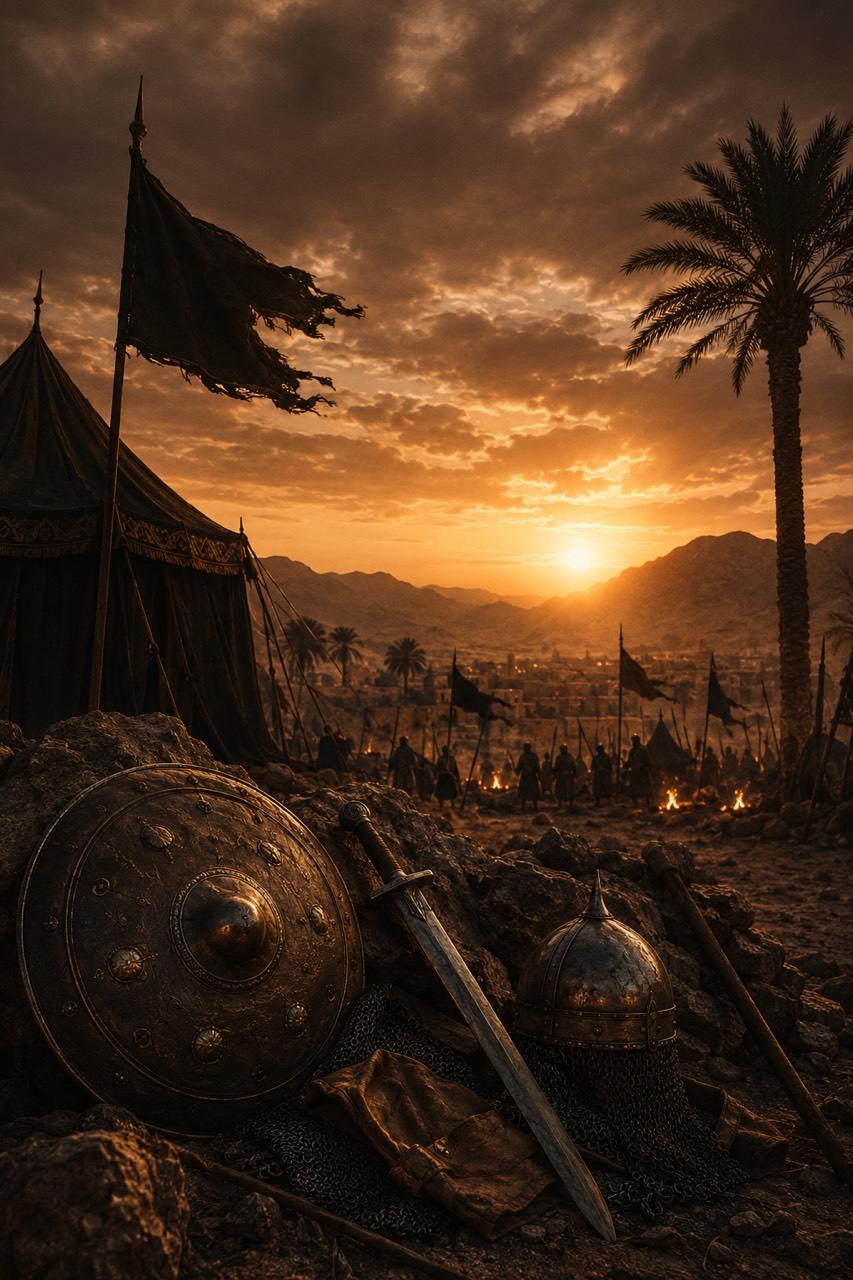
غزوة حَمْراء الأسد الجزء الأول
بعد غزوة أُحُد وبعد المصاب الذي أصيب به المسلمون، قامت أشاعات في المدينة من أهل الكتاب في المدينة (اليهود) والمنافقين فأخذ اليهود يشككون في الدين ويقولون أنه لو كان محمداً نبياً لما ُأصيب !!!!! وأخذوا يقولون لأهل المدينة من الأنصار: ألم نقل لكم ليس هذا النبي المنتظر ؟؟،،،،،لو كان هو، نحن نعرف وصفه في كتبنا،،، وكنا آمنا به قبلكم،،،،،لو كان نبي من عند الله لما هُزم ، النبي يأيده الله ،،،،،،،وماكان نصره في بدر إلا حظ،،،،، أما الرسل لا تُهْزم ابداً،،،،، نحن أهل الكتاب نعرف عن الانبياء أكثر منكم ،،،،، قلنا لكم أنه ليس نبي ولم تصدقونا وقد تأثّر ضعاف النفوس بهذا الكلام و اخذ اليهود ينشرون هذه الشائعات أكثر وأكثر فعداوتهم لله اكبر و واوسع من أن تُوصف فلما سمع النبي شائعاتهم وقد وصلته عن طريق الصحابة وكان وقت الفجر، عزم النبي (أصَرَّ) للخروج ومطاردة قريش لعدّة أسباب: (وذلك كان فجر يوم الأحد بعد ليلة عودته من غزوة أُحُد يوم السبت وصلاة المغرب والعشا جمع تأخير) 1. ليرد على كيد هؤلاء اليهود والمنافقين 2. ليرد اعتبار المؤمنين ويرفع معنوياتهم و يُرجِع هيبتهم في النفوس خصوصا أن الدولة الاسلامية الوليدة (الحديدة الناشئة) في الجزيرة العربية محاطة بعشرات القبائل التي تضمر الكراهية والعداوة للمسلمين 3. ليُشعر قريش بعدم الهزيمة وان في المسلمين قوة ،،، خشية عودة قريش لغزو المدينة،،، وذلك لأنّه قد وصله خبر أن قريش عند عودتها لمكة كانت تقول :لقد أصبتم شوكتهم وقتلتم بعضهم ، ولكن بقي فيهم رؤوس يدبرون لكم فلو ملتم على مدينتهم فاستأصلتموهم لكان خير لكم فكان ابو سفيان يريد أن يرجع للمدينة وكان صفوان بن امية ينهى عن ذلك فعندما سمع النبي ذلك، قال : لقد ارشدهم صفوان وما كان برشيد،،،،والذي نفسي بيده لقد سَوَّمْتُ لهم الحجارة كأمس الذاهب (يقصد سَوَّم لهم حجارة في السماء،،، حجارة سجين التي أهلك الله بها جيش الفيل،، اي كُتِب على كل حجر اسم الشخص الذي ستصيبه،،، ولو جاءوا للمدينة، سوف يصيبهم ما أصاب قوم اصحاب الفيل الذي أرسل الله عليهم طير ترميهم بحجارة من نار) أصَرَّ النبي على اللحاق بقريش و قتالهم رغم علمه أن الصحابة غير مستعدون للقتال لأن أغلب الصحابة فيهم الجرحى وفيهم أصابات بليغة وفي فجر يوم الأحد في اليوم التالي لمعركة أحد، خرج الرسول لصلاة الفجر فلما انتهى من الصلاة، أمر بلال أن ينادي : {{ إن رسول الله يأمركم بطلب عدوكم ولا يخرج معنا إلا من شهد القتال بالأمس }} فكان قرار النبي ألا يخرج معه لمطاردة قريش الا من شهد غزوة أُحُد فقط ،،،،، أما هؤلاء ٣٠٠ الذين انسحبوا من منتصف الطريق، فلا يخرجون معهم وذلك لأنّ غزوة أُحُد أظهرت المنافقين الذين كانوا مختلطين بالمؤمنين،،، فأصبح الصحابة يفرقون بين المؤمن والمنافق والرسول لا يريد أن يكون معه غير المؤمنين لأن هؤلاء المنافقون يخذلون الجيش وتكون أضرارهم أكثر من منافعهم وجاء رأس المنافقين عبد الله بن أبي بن سلول وقال : انا خارج معك يارسول الله فقال له النبي :_ لا والله ، لن يخرج معنا إلا من خرج معنا بالأمس أستجاب جميع الصحابة لأمر الرسول و لم يتخلف منهم أحد مع أنهم جميعا يعانون من الجروح والأصابات البليغة لم يعتذر للرسول أي أحد منهم بعدم الخروج خرج أسيد بن حضير وبه سبع جراحات ومن الصحابة من خرج و به ٩ جراح،،،ومنهم ١٠ ،،، ومنهم من به ١٣ جرح وكان هناك أخان اسمهما عبد الله بن سهل، ورافع بن سهل،، وكانت بهما جراح كثيرة وبليغة، ولم يجدان خيل ولا بعير يركبانه ،،فقالا: _ والله إن تركنا غزوة مع رسول الله لغبن ( أي خسارة كبيرة )،،، والله لا نستطيع الركوب ولا المشي وقال رافع: لا والله ما بي مشي (اي لا استطيع المشي بسبب جراحه)،،،،فقال عبد الله: انطلق بنا نلحق برسول الله،،،،نمشي،،، فإذا عجزنا،،،تحملني مرة واحملك مرة،، ، فإذا عجزنا،،، زحفنا ولا نتخلف عن رسول الله فخرجا يمشيان بثقل ، ثم ضعف رافع ولم يستطع المشي فحمله أخوه عبدالله ، فضعف عبدالله ،،،فأخذا يزحفان فأمتدح الله تعالى هذا الموقف العظيم من الصحابة فنزل قوله تعالى {{ الَّذِينَ اسْتَجَابُوا لِلَّهِ وَالرَّسُولِ مِنْ بَعْدِ مَا أَصَابَهُمُ الْقَرْحُ ۚ لِلَّذِينَ أَحْسَنُوا مِنْهُمْ وَاتَّقَوْا أَجْرٌ عَظِيمٌ }} خرج الرسول من بيته بملابس الحرب وهو مجروح في وجنته ، من أثر الحلقتين ومجروح أيضاًفي جبهته وباطن شفته السفلي ، ومجروح في ركبتيه ، ومتألم من عاتقه الأيمن من أثر ضربة {{ ابن قمئة }} ثم دخل المسجد وصلى ركعتين ، وقد اجتمع الناس في المسجد ، ثم دعا بفرسه فركبه وكان طلحة واقفا ينظر فلما رآه النبي،،،فقال له : يا طلحة اين سلاحك ؟؟ قال :_قريب يارسول الله ، ولكن انظر إليك كيف تركب الفرس وانت بهذه الجراح قال :_ لا عليك فأنطلق طلحة ولبس سلاحه وكان طلحة قد جرح ٣٩ جرح وشلت يده ، واغشي عليه في احد،،، ثم رجع طلحة ،،،فقال له النبي :_ يا طلحة أين ترى قريش ؟؟ وكان طلحة خبير بالطرق قال طلحة :_ هم بالسيالة ، يارسول الله ، والله اعلم فقال النبي :_ هكذا أظن فخرج الرسول وسار بجيشه حتى وصل الى منطقة يطلق عليها اسم حمراء الأسد وهي على بعد حوالي ٢٠ كم جنوب المدينة ، وعسكر بجيشه هناك عندما وصلوا ، أمر النبي أن يجمعوا الحطب بالنهار ولما جاء الليل، أمرهم أن يوقدوا النار بالليل حتى اذا نظر أحد الى معسكر المسلمين من مكان بعيد يعتقد أن عددهم كبير وبالفعل انتشر ذكر معسكر المسلمين ونيرانهم وعددهم الكبير في كل مكان في الجزيرة وفي هذه الأثناء، ما زال عبدالله ورافع يمشيان ويزحفون لحوقًا بالرسول وقد تأخرا كثيراً لأنهما كانا لايستطيعان المشي فلما وصلا، رآهما النبي وقال لهما :_ آلآن جئتما ؟ !!! قالا :_نعم قال :_ ما حبسكما عني ؟؟ (مالذي أخّرَكُما) فأخبراه بعلتهما وأن الطريق طويل وأنّهم ك كانا يزحفان حتى وصلوا مسافة ٢٠ كيلو ولم يكن عندهم خيل يركبوه فدعا لهما الرسول بخير ثم ألتفت الى أصحابه ممن كان حوله وقال :_ إن طالت بكم مدة، كان لكم مراكب من خيل و بغال وأبل وغير ذلك ،،،،وليس بذلك بخير لكم قال تعالى {{ وَالْخَيْلَ وَالْبِغالَ وَالْحَمِيرَ لِتَرْكَبُوها وَزِينَةً وَيَخْلُقُ ما لا تَعْلَمُونَ }} فسألهم الصحابة و ماذا تقصد ب "غير ذلك"؟ وهنا نبؤة النبي لو قال لهم سيارات وقطارات وطيارات فلن يستوعب الصحابة من ذلك لذلك اكتفى الرسول بقول "غير ذلك"
The Battle of Hamra’ al-Asad After the Battle of Uhud and the heavy losses suffered by the Muslims, rumors began spreading throughout Madinah by the People of the Book (the Jews) and the hypocrites. The Jews cast doubt upon Islam, saying, “If Muhammad were truly a prophet, how could he have been wounded?” They said to the Ansar: “Did we not tell you that this was not the awaited Prophet? If he truly were the Prophet described in our scriptures, we would have believed in him before you. A prophet supported by God is never defeated. His victory at Badr was nothing but luck. We know more about the prophets than you do.” Some of the weak-hearted were affected by these claims, and the Jews continued spreading them relentlessly, driven by their deep hostility toward Islam. When the Prophet ﷺ learned of these rumors through his companions, at dawn on Sunday—the morning after returning from Uhud—he firmly resolved to pursue Quraysh for several reasons: 1. To answer the schemes of the Jews and the hypocrites. 2. To restore the morale, dignity, and reputation of the believers, especially since the young Islamic state was surrounded by many hostile tribes. 3. To demonstrate to Quraysh that the Muslims remained strong and to discourage them from returning to attack Madinah. Reports had reached the Prophet that some Quraysh leaders regretted leaving, saying, “You have broken their strength, yet their leaders remain. Had you marched on Madinah and finished them, it would have been better.” Abu Sufyan had considered returning, but Safwan ibn Umayyah advised against it. Upon hearing this, the Prophet ﷺ said: “Safwan has given them good advice, though he himself is not rightly guided. By Him in Whose Hand is my soul, the stones have already been marked for them as they were for the people of the Elephant.” He meant that, had they returned to attack Madinah, Allah would have destroyed them just as He destroyed the Army of the Elephant. Although the Prophet knew that most of his companions were wounded—many with severe injuries—he was determined to pursue Quraysh. At dawn on Sunday, after leading the Fajr prayer, he instructed Bilal to announce: “The Messenger of Allah commands you to pursue your enemy. None shall accompany us except those who fought yesterday.” Only those who had participated in Uhud were permitted to join the expedition. The three hundred men who had withdrawn before the battle were not allowed to accompany them. The Battle of Uhud had exposed the hypocrites who had been mixed among the believers. The Prophet wanted only sincere believers with him, for hypocrites weakened the army more than they strengthened it. Abdullah ibn Ubayy ibn Salul, the leader of the hypocrites, came and said: “O Messenger of Allah, I will go with you.” The Prophet replied: “No, by Allah. None will accompany us except those who marched with us yesterday.” Every companion who had fought at Uhud responded to the call. Despite their wounds, not one excused himself. Usayd ibn Hudayr came with seven wounds. Others came carrying nine, ten, or even thirteen wounds. Two brothers, Abdullah ibn Sahl and Rafi’ ibn Sahl, had suffered severe injuries. They had neither horse nor camel. They said: “By Allah, missing an expedition with the Messenger of Allah would be a tremendous loss.” Rafi’ said, “I can no longer walk.” His brother replied, “Let us go after the Messenger of Allah. We will walk as long as we can. When one of us weakens, the other will carry him. If we can no longer carry each other, we will crawl. We will not stay behind.” They set out. When Rafi’ could no longer walk, Abdullah carried him. Then Abdullah became exhausted, and the two brothers crawled until they finally reached the army. Allah praised this remarkable response in the Qur’an: “Those who responded to Allah and the Messenger after being wounded—for those among them who did good and feared Allah is a tremendous reward.” (Qur’an 3:172) The Prophet ﷺ left his house wearing his armor. His cheek was still wounded from the rings of his helmet, his forehead and lower lip were injured, his knees were bruised, and his right shoulder still ached from the blow of Ibn Qami’ah. He entered the mosque, prayed two rak’ahs, then mounted his horse. Talhah ibn Ubaydillah was watching. The Prophet asked: “Talhah, where is your weapon?” He replied, “It is nearby, O Messenger of Allah. But look at you—how can you mount your horse with all these wounds?” The Prophet simply said, “Do not worry.” Talhah hurried to arm himself. He himself had suffered thirty-nine wounds at Uhud, one of his hands had been permanently disabled, and he had collapsed unconscious during the battle. When he returned, the Prophet asked: “Talhah, where do you think Quraysh are?” Talhah, who knew the routes well, answered: “At al-Sayalah, O Messenger of Allah—and Allah knows best.” The Prophet said: “That is what I believe as well.” The Muslim army marched until they reached Hamra’ al-Asad, about twenty kilometers south of Madinah, where they established camp. During the day, the Prophet ordered the companions to gather firewood. At night, he instructed them to light numerous fires so that anyone observing from afar would think the Muslim army was far larger than it really was. The sight of the many campfires quickly spread throughout Arabia, creating the impression of a powerful force. Meanwhile, Abdullah and Rafi’ continued struggling toward the camp, walking when they could and crawling when they could not. When they finally arrived, the Prophet smiled and said: “Only now have you come?” They replied, “Yes.” He asked, “What delayed you?” They explained their injuries, the long journey, and how they had crawled nearly twenty kilometers because they had no mount. The Prophet prayed for them and then turned to the companions around him, saying: “If your lives are prolonged, you will one day have mounts besides horses, mules, and camels.” He then recited Allah’s words: “And He created horses, mules, and donkeys for you to ride and as adornment. And He creates what you do not know.” (Qur’an 16:8) The companions asked what he meant by “what you do not know.” The Prophet did not specify. Had he spoken of cars, trains, or airplanes, his companions would not have understood. Instead, he used the Qur’anic expression, “what you do not know,” leaving the meaning open to future generations.