
FF
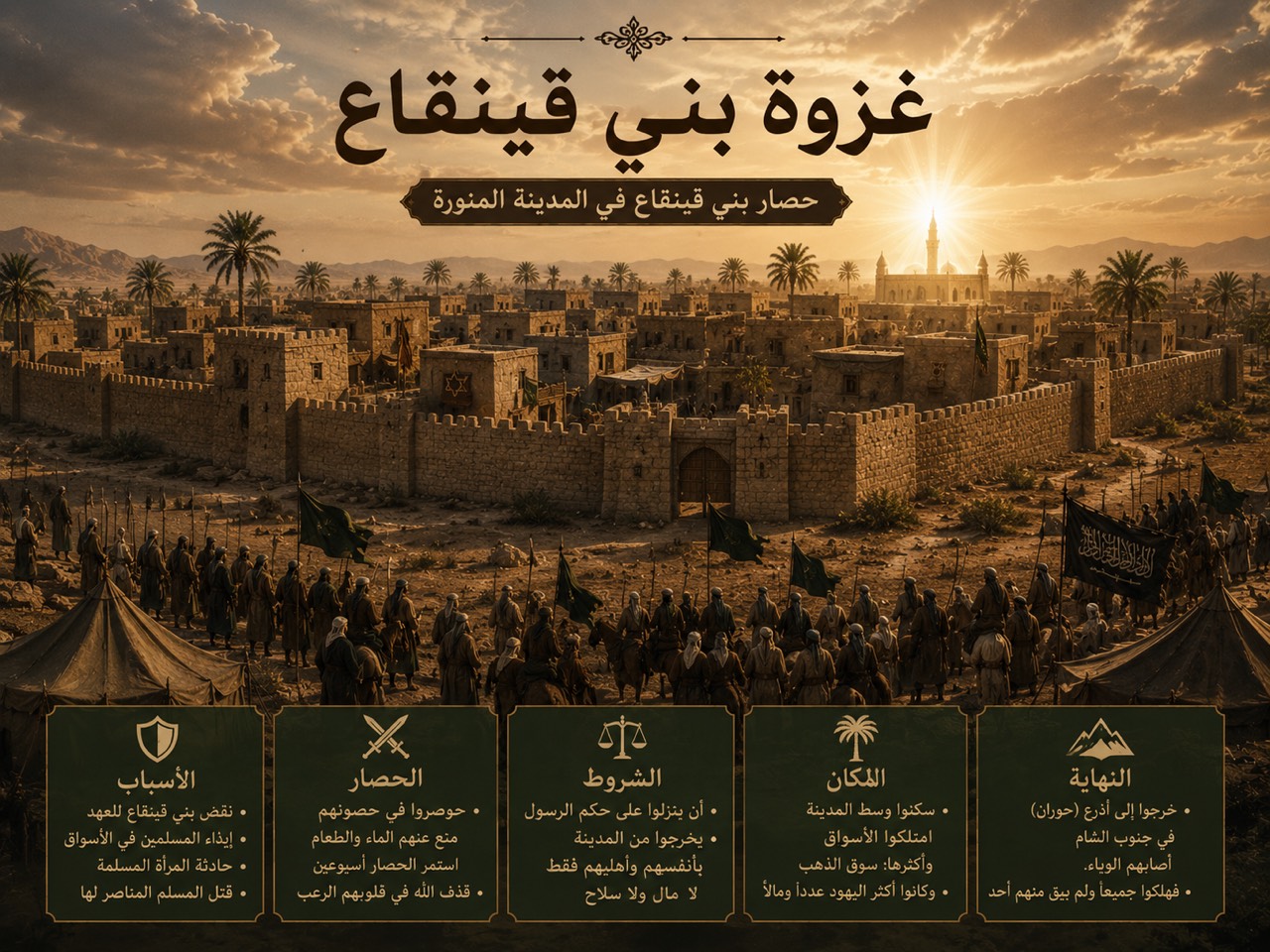
غزوة بدر أسماها الله في القرآن {{ يوم الفرقان}} لأن الله فَرَّق بها بين الحق والباطل ولأنها فَصَلت بين مرحلتين من مراحل الدعوة الاسلامية ١_مرحلة الدعوة الاسلامية قبل بدر ٢_ومرحلة الدعوة الاسلامية بعد بدر وهناك فرق كبير بين حال المسلمين قبل بدر وبعدها وكان من نتائج بدر أن أصبح للدولة الإسلامية هيبة كبيرة في قلوب العرب لأن قريش التي هزمها المسلمون هي واحدة من أكبر قبائل الجزيرة العربية كما أنها رفعت جداً من الروح المعنوية للمسلمين سواء الذين شاركوا في المعركة أم لم يشاركوا إلّا أنّ آثار معركة بدر انعكست على غيرهم ألماً ، وغمة ، وقهر على القبائل اليهودية الثلاث: قينقاع …والنضير …وقريظة فعندما هاجر النبي للمدينة، جعل بينه وبينهم عهد و بيّن لهم حقوقهم وأعلّمهم بواجباتهم واليهود لا يريدون الايمان بالرسول رغم إيمانهم المطلق انه نبي مُرْسَل ورغم معرفتهم بمطابقة وصفه لوصف الكتب السماوية السابقة التي نزلت عليهم،،، لم يؤمنوا به لأنّه كان من العرب على خلاف الأنبياء السابقين الذين كانوا من بني اسرائيل فاخذوا ينالون من المسلمين في الاسواق بألسنتهم ويلمزون ذماً بالنبي ويتألمون على قتلى قريش ويضيّقون المعيشة على المسلمين….فكانوا مثلا لا يعطون المسلمين الأموال التي لهم و كانوا يدخلون في مصادمات لا تنتهي مع المسلمين و كانوا يثيرون الشائعات المدمرة ، و كانوا يحاولون إيقاع المشاكل بين المسلمين ففي يوم مَرّ شيخ يهودي اسمه شاس بن قيس بواحد من الأنصار من الأوس والخزرج في مجلس قد جمعهم يتحدثون فيه،،،فغاظه (ضايقه) جدا ما وجده من ألفتهم وجماعتهم بعد كل العداء والكراهية قبل الإسلام فلم يعجبه هذا الاجتماع ، فجلس اليهم شاس بن قيس وأخذ يُذَكِّرَهم بيوم {{ بعاث }} (وهي آخر حرب وقعت بين الأوس والخزرج، وكانت أشهر وأدمى حروبهم، وقد وقعت قبل الهجرة بخمس سنوات فقط ) وأخذ الصحابة يذكرون تلك الحرب ، وذكروا بعض الشعر عن ذلك اليوم فأشتد النقاش بينهم واخذتهم الحمية ، فغضب الفريقين الأوس ، والخزرج وقالوا الحرب بيننا وانصرف كل فريق ليستعد للحرب فلما وقفوا مستعدين للقتال وقد بلغ النبي ذلك، قام مسرعاً إليهم مغضباً و وقف بين الفريقين ، ورفع يديه باعد بينهما وقال: يا معشر المسلمين ، الله الله أبدعوى الجاهلية وأنا بين أظهركم ؟!!!! (يعني رجعتهم إلى عهدكم قبل الإسلام وأنا بينكم) بعد أن هداكم الله للإسلام ، وأكرمكم به، وقطع به عنكم أمر الجاهلية، واستنقذكم به من الكفر وألف بين قلوبكم ثم تركهم ومشى الرسول مغضباً فلما رأوه و سمعوا كلامه، بكى الصحابة من الأوس والخزرج ندماً ، وارتفع صوتهم بالبكاء وقاموا وتعانقوا فعلم النبي أنّ هذا من فِعْل اليهود و أنهم يريدون غدراً رغى العهود التي بينهم و بما أنّ انظار القبائل العربية كلها على المسلمين في المدينة بسبب قوتهم المتصاعدة، هذا جعلهم يتربصون بالمدينة والمسلمون ويكيدون لهم… مع أنّ المدينة المنورة في هذه الفترة بحاجة لأستقرار داخلي اكثر من أي وقت لكنّ تجاهل المشكلة لا يحلها وإنما يجعلها تتفاقم فأخذ النبي يفكر بحل هذه المشكلة معهم واحتار في أمرهم فأنزل الله عزوجل جبريل ، يبين له الطريق ويزيل عنه هذه الحيرة قال تعالى {{ وَإِمَّا تَخَافَنَّ مِن قَوْمٍ خِيَانَةً فَانبِذْ إِلَيْهِمْ عَلَىٰ سَوَاءٍ ۚ إِنَّ اللَّهَ لَا يُحِبُّ الْخَائِنِينَ }} فأرسل النبي الى سادتهم أن اجتمعوا في سوقكم المعروف في بني قينقاع وكانت يهود قينقاع بالذات تسكن وسط المدينة اما النضير وقريظة ففي اطرافها وكانت قينقاع اكثر القبائل جهراً لعداوة المسلمين وكانوا يملكون اسواقها وهم اشجع يهود واكثرهم عدد وعدة واكثرهم ملكاً للمال فكانوا يملكون سوق الذهب في المدينة المنورة و بناءا على طلب الرسول، فأجتمعوا فسلم عليهم الرسول وحياهم بأدب واحترام ، وذكر لهم بعض مواقفهم التي خالفت العهد بينه و بينهم فَتَجّهَمَت وجهوهم وقالوا له بلسان فظ غليظ وسوء أدب قالوا :يا محمد ارأيتنا مثل قومك ؟!! (يقصدون قريش التي انتصر عليها الرسول في غزوة بدر) وقالوا: لإن حاربنك ، لتعلمنّ أن نحن اهل الحلقة (يعني اهل السلاح والعدد والعدة ) فأنزل الله على نبيه فوراً {{ قُل لِّلَّذِينَ كَفَرُواْ سَتُغْلَبُونَ وَتُحْشَرُونَ إِلَى جَهَنَّمَ وَبِئْسَ الْمِهَادُ * قَدْ كَانَ لَكُمْ آيَةٌ فِي فِئَتَيْنِ الْتَقَتَا فِئَةٌ تُقَاتِلُ فِي سَبِيلِ اللّهِ وَأُخْرَى كَافِرَةٌ يَرَوْنَهُم مِّثْلَيْهِمْ رَأْيَ الْعَيْنِ وَاللّهُ يُؤَيِّدُ بِنَصْرِهِ مَن يَشَاء إِنَّ فِي ذَلِكَ لَعِبْرَةً لَّأُوْلِي الأَبْصَارِ }} فَتَلى رسول الله عليهم الايات التي نزلت عليه ثم قال لهم أنّكم قد عرفتم أني نبي مرسل تجدون ذلك في كتابكم فقاموا من مجلسه وتركوه يتكلم فحذر النبي المسلمون منهم وأمرهم أن يأخذوا حذرهم من بني قينقاع لكن إذا أراد الله أمر ، فلا مرد له وهيئ له الأسباب وفي اليوم الثاني مباشرة (بعد يوم الاجتماع معهم في ١٥ شوال) أتت إمراة مسلمة الى سوقهم ( سوق الصاغة ) تريد ان تبيع أو تشتري فجلست عند دكان صائغ ، فأخذوا يهزئون بها وبلباسها لانه لباسها محتشم وقام الصائغ بغفلة منها وهي جالسة فشكل (ربط) ثوبها بشوكة وبقي يستفزها حتى إذا قامت مغضبة فلما قامت و لأنّه ثوبها مربوط بشيء (اليهودي ربط ثوب المرأة بشي) انكشفت عورتها فضحكوا منها بصوت مسموع فأنتبهت لنفسها وسدلت ثوبها ثم صاحت بأعلى صوتها ، وااا ذُلا فسمعها رجل مسلم من الانصار ، فأنقض بسيفه على الصائغ فقسمه نصفين فتجمع اليهود وتكاثروا على المسلم لأنه سوقهم فقتلوه كان اليهود يريدون بهذا الموقف اهانة المسلمين (جريمة كشف عورة المرأة المسلمة واهانتها، ثم قتل المسلم) فوصل الخبر الى النبي و أخذ قراراً سريعاً وحاسماً وهو ضرورة قتال يهود بني قينُقاع ما أن سمعوا أن محمد قد جمع رجاله، اغلقوا أبوابهم ودخلوا حصونهم {{ لا يُقَاتِلُونَكُمْ جَمِيعًا إِلَّا فِي قُرًى مُّحَصَّنَةٍ أَوْ مِن وَرَاءِ جُدُرٍ ۚ بَأْسُهُم بَيْنَهُمْ شَدِيدٌ ۚ تَحْسَبُهُمْ جَمِيعًا وَقُلُوبُهُمْ شَتَّىٰ ۚ ذَٰلِكَ بِأَنَّهُمْ قَوْمٌ لَّا يَعْقِلُونَ }} مع أن عدد المقاتلين من بني قينقاع ٧٠٠ مقاتل، فأمرا النبي بمحاصرتهم أن لا يصل لهم ماء ، ولا طعام ، ولا يخرج رجل منهم إلا قتل واستمر هذا الحصار أسبوعين، وقذف الله تعالى في قلوب اليهود الرعب ، فأستسلموا ، وكانت شروط الاستسلام هي أن ينزلوا على حكم الرسول وكان حلفائهم رجلان من الانصار واحد مسلم (عبادة بن الصامت) والاخر منافق خسيس (عبدالله بن ابي سلول) أمّا عبادة قال : يارسول الله انهم حلفائي قبل الاسلام ، وإني ابرء الى الله ورسوله منهم ، ومن حلفهم فاصنع بهم ما شئت لا عهد بيني وبينهم أمّا المنافق عبدالله بن ابي سلول الذي كان يتظاهر بالإسلام تحدّث بفظاظة مع النبي و قال له : يا محمد (لم يقل رسول الله) …أحسن في موالي ( انصاري من يهود بني قينقاع ) فأعرض عنه النبي و تركه يتكلم، ومشى فلحق النبي وامسك به من درعه يجذبه إليه فغضب النبي حتى أحمر وجهه فقال له النبي: أتركني قال: لا ... لا أتركك قال له النبي: ويحك اتركني قال: لا والله لا أتركك حتى تحسن إلى موالي ( يطلب منه أن يعطيه عهداً أن لا تقتل منهم رجلا واحدا) فنفض الرسول يده منه وقال له :هم لك ولكن لا يجاوروني في مدينتي ابداً وارسل إليهم عبادة بن الصامت ان انزلوا على حكم رسول الله خير لكم … اخرجوا من المدينة فقط بأنفسكم وأهليكم لا مال ولاسلاح ، تتركوا كل شي وتخرجوا بأنفسكم فقط فتركوا ديارهم وخرجوا الى أذرع في جنوب سوريا (تسمى الآن حوران ) و أصابهم الوباء فما اكملوا عام حتى ماتوا و دُفِنوا جميعاً ولم يبقى منهم احد (كل بني قينقاع)
The Battle of Badr was called by God in the Qur’an “The Day of Criterion” (Yawm al-Furqan) because through it God distinguished truth from falsehood. It also marked a dividing line between two phases of the Islamic mission: 1. The phase before Badr. 2. The phase after Badr. There was a tremendous difference between the condition of the Muslims before Badr and after it. One of the consequences of Badr was that the Islamic state gained great prestige among the Arab tribes, because Quraysh—whom the Muslims defeated—was one of the largest and most powerful tribes in Arabia. It also greatly raised the morale of the Muslims, both those who participated in the battle and those who did not. However, the effects of Badr caused grief, resentment, and distress among others—particularly the three Jewish tribes of Madinah: * Banu Qaynuqaʿ * Banu al-Nadir * Banu Qurayzah When the Prophet migrated to Madinah, he established agreements with them, clarifying their rights and obligations. Although the Jews did not wish to believe in him, they were convinced that he was a prophet and recognized that his description matched what was found in their scriptures. Yet many refused to follow him because he was an Arab, whereas previous prophets had come from the Children of Israel. They began to speak ill of the Muslims in the marketplaces, criticize the Prophet, mourn the deaths of Quraysh’s leaders, and create difficulties for Muslims. They withheld money owed to them, engaged in repeated disputes, spread harmful rumors, and attempted to stir conflict among the believers. One day, an elderly Jewish man named Shas ibn Qays passed by a gathering of the Aws and Khazraj tribes of the Ansar. Seeing them united and friendly after the bitter rivalries that had existed before Islam disturbed him greatly. He sat among them and began reminding them of the Battle of Buʿath, the last and bloodiest war between Aws and Khazraj, which had taken place only five years before the Hijrah. As they recalled stories and poetry connected to that battle, emotions rose, tempers flared, and old tribal pride resurfaced. Members of Aws and Khazraj became angry with one another and began preparing for conflict. When the Prophet heard of this, he hurried to them, upset by what had happened. Standing between the two groups, he raised his hands and said: “O Muslims! Fear God! Are you calling to the ways of ignorance while I am still among you? After God guided you to Islam, honored you through it, rescued you from disbelief, and united your hearts?” He then left them in anger. When they heard his words, members of Aws and Khazraj realized what had happened. They wept in regret, embraced one another, and abandoned the dispute. The Prophet understood that this had been the work of some among the Jews and that it indicated treachery despite the agreements that existed between them. Because many Arab tribes were watching the growing strength of the Muslims in Madinah, hostility toward the city continued to increase. The Prophet recognized that Madinah needed internal stability more than ever, yet ignoring the problem would only allow it to grow. God then revealed guidance: “And if you fear treachery from a people, then throw back their treaty to them on equal terms. Indeed, Allah does not love traitors.” (Qur’an 8:58) The Prophet summoned the leaders of Banu Qaynuqaʿ to meet in their marketplace. Among the Jewish tribes, Banu Qaynuqaʿ lived in the center of Madinah, while Banu al-Nadir and Banu Qurayzah lived on its outskirts. Banu Qaynuqaʿ were the most open in their hostility toward the Muslims. They controlled important markets, including the goldsmiths’ market, and were known for their wealth, numbers, and military strength. When they gathered, the Prophet greeted them respectfully and reminded them of actions that violated their agreement with him. They responded harshly and arrogantly: “Muhammad, do you think we are like your people (Quraysh)? If you fight us, you will know that we are people of weapons and war.” At that moment, God revealed: “Say to those who disbelieve: You will be defeated and gathered unto Hell, and wretched is the resting place. There has already been a sign for you in the two armies that met…” (Qur’an 3:12–13) The Prophet recited these verses to them and reminded them that they knew from their own scripture that he was a prophet. They ignored him and left. The Prophet then warned the Muslims to remain cautious regarding Banu Qaynuqaʿ. Soon afterward, a Muslim woman came to the goldsmiths’ market. She sat near a jeweler’s shop. Some people there mocked her and her modest clothing. According to traditional accounts, a goldsmith secretly fastened part of her garment while she was seated. When she stood up, part of her clothing was pulled, exposing her, and those present laughed. The woman cried out loudly. A Muslim man from the Ansar heard her cry and struck the goldsmith. Others then gathered against him and killed him. This incident was viewed as a serious violation involving the humiliation of a Muslim woman and the killing of a Muslim man. When the news reached the Prophet, he decided to confront Banu Qaynuqaʿ. Hearing that the Muslims had mobilized, they withdrew into their fortified strongholds. The Qur’an later described such situations: “They will not fight you all together except within fortified towns or from behind walls…” (Qur’an 59:14) Although Banu Qaynuqaʿ reportedly had around 700 fighters, the Prophet ordered a siege. Supplies were cut off, and the siege continued for approximately two weeks. Eventually, fear spread among them and they surrendered, agreeing to accept the Prophet’s judgment. Among their allies were two men from the Ansar: * ʿUbadah ibn al-Samit, a sincere Muslim. * ʿAbdullah ibn Ubayy ibn Salul, who outwardly professed Islam but opposed the Prophet. ʿUbadah declared: “They were my allies before Islam, but I renounce any alliance with them before God and His Messenger. Do with them as you see fit.” Abdullah ibn Ubayy, however, repeatedly asked the Prophet to show leniency toward them. According to traditional reports, he persisted strongly in his request until the Prophet agreed not to execute them. The judgment was that Banu Qaynuqaʿ would leave Madinah. They were permitted to depart with their families but were required to leave behind their weapons and much of their property. They migrated northward toward the region of Adhriʿat (Adhraʿat) in southern Syria, in the area now associated with Hauran. Traditional historical reports state that after their exile, the tribe declined and eventually disappeared as a distinct community.