
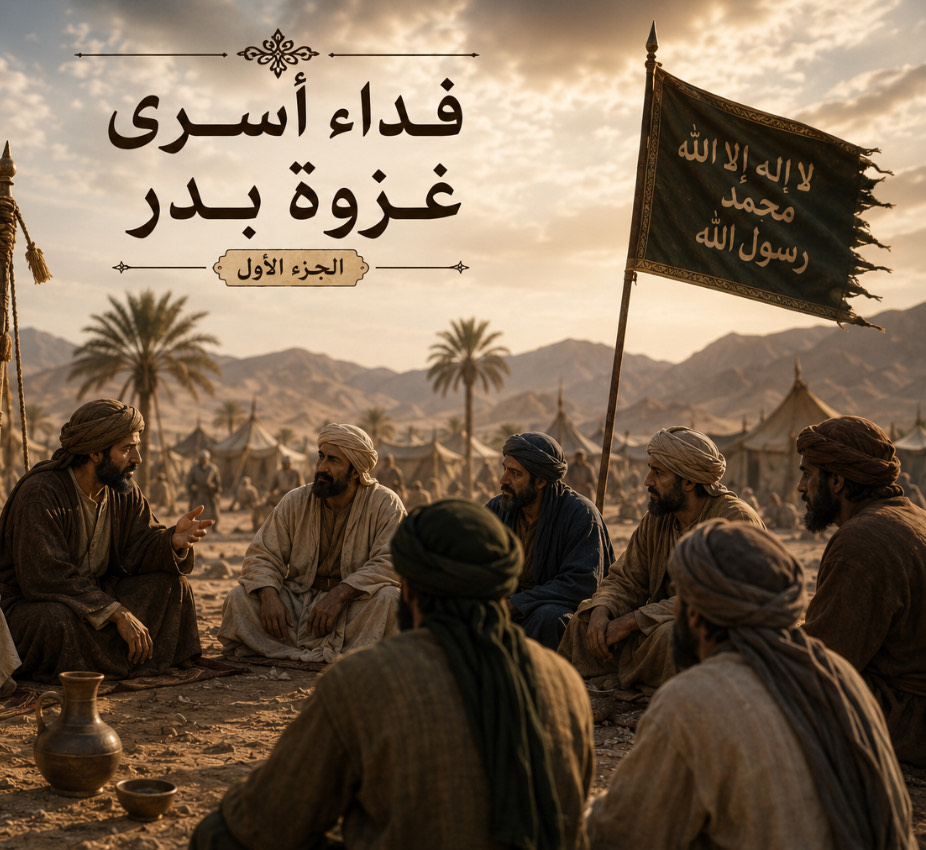
فداء أسرى غزوة بدر الجزء الثاني
وكان في الاسرى أيضًا ابو عزة الشاعر وهو رجل من شعراء قريش، وكان يؤذي المسلمين كثيراً و وقع بالأسر يوم بدر ولكنه فقير فنظر للنبي وقال : يا محمد تعلم عيلتي (فقري) وكثرت عيالي… فأمنن، جُزيت خيراً فقال له النبي : نمُن عليك (نطلق سراحك بدون فداء) شريطة ألا تحرك علينا بشعرك ابداً (يعني لا تستعمل شِعْرَك بالتحريض ضدنا)،،، ولا تسل سفيك في وجهنا بعد اليوم ابداً قال :لك ذلك ، يا محمد واقسم على ألا يستعمل لسانه ولا سيفه ضد المسلمين وذهب الى اهله آمنا سالماً فما أن أتم العام، حتى خرجت قريش لاخذ ثأرها يوم غزوة أحد فكان ابو عزة الشاعر أول من حرك الناس بشعره ضد المسلمين وخرج الى المعركة و بعد ان أختل ميزان المعركة وهرب الأسرى من يد المسلمين، وألقوا ما بأيديهم من غنائم بسبب مخالفة الرماة أمر النبي في اليوم الثاني وما زال الصحابة يضمضون جراحهم، أمر بلال أن ينادي باب المسجد من كان يؤمن بالله واليوم الاخر فليخرج في اثر قريش ، ولا يخرج معنا إلا من كان معنا بالأمس فخرج الصحابة ودمائهم تنزف ، وبعضهم يزحف حتى سمعت بخروجهم قريش..،فهربت سريعاً فادرك فلولهم في حمراء الاسد ، لأمر يريده الله فامسك بعض اصحابه بأبي عزة الشاعر و أتوا (جاءوا به) إلى النبي فنظر النبي و قال :_ أين عهدك يا أبا عزة ؟؟ قال : معذرةً وعفواً ، يا محمد ، أمنُن ولن أعود إليها ابداً قال له النبي،،،،لا والله ،،،لا تمسح عارضيك بمكة وتقول خدعت محمداً مرتين و نموذج آخر من فداء الأسرى وهو ابو العاص ابن الربيع وهو صهر النبي و زوج زينب بنت النبي اكبر بناته تزوجها قبل بعثة النبي عليه السلام خالته ام المؤمنين السيدة خديجة رضي الله عنها وكان ابو العاص رجلا شهماً مشهور بالأمانة ، وكان يُعْرَف في قريش بأنه رجل أمين كان ابو العاص {{ يحب زينب حباً كبيراً }} لما جاء الرسول الوحي و أظهرت قريش عداوتها للنبي وقالوا ردوا عليه (أرجعوا له) بناته كانت رقية وام كلثوم (بنات النبي) مخطوبتان لأولاد عمه ابو لهب، فأمرته زوجته بان يُطَلِق البنتين فقاما بتطليقهما فورا وكان زوج ابنته الكبيرة زينب (ابو العاص) في تجارته للشام ، فلما رجع من سفره، ذهبت قريش كلها إليه لكي يقنعوه أن يطلق زينب من باب التضييق على النبي ومحاربته فرفض ابو العاص وقال لم أرى من محمد إلا خيراً …انا لست على دينه ولكني لا افارق ابنته فألَحُّوا عليه بتزوجين من امرأة أخرى و رفض أيضًا فلما هاجر النبي، لم تهاجر زينب رغم أنّها كانت مؤمنة و بقيت في مكة ولما كانت غزوة بدر، خرج أبو العاص مع قومه مُكْرهًا فوقع بالاسر فرآه النبي بين الاسرى وهو يعرف حُسْن مصاهرته ولكن رسول الله عادل فأمره النبي بأن يفدي نفسه بالمال أيضًا ولم يُمَيّزه عن غيره فوصل الخبر الى بنت محمد رسول الله زينب …دخلت عليها عمتها عاتكة تخبرها بانتصار أبيها في بدر فسجدت شكرا لله ثم سألت عمتها :وماذا فعل زوجي؟ فقالت لها : لم يُقتل زوجك ولكنه أسير ، ويطلب الفداء فقامت زينب و جمعت ما معها من مال،،،و نزعت قلادتها من عنقها و وضعتها على المال (رغم أنّ هذه القلادة كانت هدية من أمّها السيدة خديجة أمّ المؤمنين بمناسبة زواجها) وقبل ان يُطْلق سراح أبو العاص، أوقفه النبي وقال له : يا ابا العاص لقد فرّق الله بين المؤمنين والكافرين…فزينب لا تحل لك زوجة بعد اليوم ، فاذا بلغت مكة فارسلها الينا فقال له ::_نعم ثم استدار عائدا إلى مكة وهو لا يدري كيف يرجع زينب وهو لا يستطيع ان يفارقها خرجت زينب تستقبل أبا العاص على أبواب مكة فلما رآها قال لها بألم : يا زينب عودي إلى أبيك،،، ثم جهز لها زادها وراحلتها وأخبرها بأن رسول الله أرسل زيد بن حارثة ، ورجل من الانصار ليصطحبوها للمدينة ومن شدة حبه لها ، لم يستطع بأن يوصلها الى اطراف البادية ويودعها فطلب من أخوه عمرو ، ان يرافقها ويسلمها لزيد بن حارثة وأرفق بها في السفر ، وارعها رعاية الحرمات ، وأياك ان يقترب منها أحد و عندما خرج بها من مكة جهارا نهارا على مرأى من قريش اشتد غضبها ولحقوا بهما حتى أدركوهما فخافت زينب، فوقف عمرو واخذ سهمه وقوسه وقال: والله لا يدنو رجل منها إلا وضعت سهما في نحره (وكان راميا للسهام لا يخطئ) فأقبل عليه أبو سفيان وقال له: يا بن أخي كف عنا سهامك (يعني أنزلها) ،،،،إنك لم تصب فيما صنعت ( يعني لم تفعل الصواب)…فإذا خرجت بابنته علانية كما فعلت، رمتنا القبائل بالجبن ووصفتنا بالهوان والذل فارجع بها واستبقها في بيت زوجها أياما،،، ثم أخرجها بالسر فرضي عمرو بذلك… فسلمها بعد أيام إلى رُسُل أبيها ظلت زينب ترفض الزواج لمدة ست سنوات على أمل أن يعود إليها زوجها مسلما وكان ابو العاص يوما في تجارة لقريش للشام وعند عودته التقته سرية من المسلمين فأصابوا كل من بالقافلة،، إلا هو هرب وتسلل حتى وصل إلى المدينة لبيت زينب واستجار بها و لما خرج الرسول لصلاة الفجر لم يكن بذلك فقالت زينب: أيها الناس.. قد أجرت أبا العاص فأجيروه فجاءت زينب إلى رسول الله وقالت : يا رسول الله إن أبا العاص ، إن بَعُد، فابن الخالة وإن قرُب فأبو الولد وقد أجرته يا رسول الله فقال النبي: يا أيها الناس إن هذا الرجل ما ذَمَمْتُه (لم أذكره بسوء) صهرا،،وإن هذا الرجل حدثني، فصدقني،،، ووعدني، فَوَفى لي فإن قبلتم أن تردوا إليه ماله وأن تتركوه يعود إلى بلده، فهذا أحب إلي. وإن أبيتم ( رفضتم) فالأمر إليكم فقال الناس: بل نعطه ماله يا رسول الله فقال النبي: قد أجرنا من أجرتِ يا زينب فلما ذهب أبو العاص لمكة، وقف أمام الكعبة يوزع أموال التجارة الرابحة على أصحابها.. وبعد أن انتهى قال: يا معشر قريش هل بقي لأحد منكم عندي مال لم يأخذه؟ فقالوا: لا.. وجدناك وفيا كريما فنظر إليهم ورفع صوته قائلا: إذن فأنا أشهد أن لا إله إلا الله وأن محمدا رسول الله. ثم رجع دخل المدينة فجرا وتوجه إلى النبي وقال: يا رسول الله أجرتني بالأمس واليوم جئت أقول أشهد أن لا إله إلا الله وأنك رسول الله ثم قال : يا رسول الله هل تأذن لي أن أراجع زينب؟ فأخذه النبي ووقف على بيت زينب وطرق الباب وقال: يا زينب إن ابن خالتك جاء لي اليوم يستأذنني أن يراجعك فهل تقبلين؟ عاش أبو العاص مع زينب عاما بعد أن زوجه النبي إياها من جديد ماتت زينب…ورغم حزن النبي على فراق بنته ، اخذ يُهَوِن على ابو العاص حزنه بسبب شدة محبته لها فمات بعد سنه من موت زينب لم يتحمل فراقها
Ransom of the Prisoners of the Battle of Badr – Part Two Among the prisoners was Abu ‘Azzah, a poet of Quraysh who had often harmed the Muslims through his poetry. He was captured at Badr, but he was poor. He looked at the Prophet and said: “Muhammad, you know my poverty and the number of my children. Show me mercy, and may you be rewarded with goodness.” The Prophet replied: “We shall release you without ransom, on the condition that you never again use your poetry against us and never raise your sword against us.” Abu ‘Azzah agreed and swore that he would neither use his tongue nor his sword against the Muslims. He returned home safely. But when a year had passed and Quraysh marched out for the Battle of Uhud seeking revenge, Abu ‘Azzah was among the first to stir people against the Muslims with his poetry and joined the battle. After the battle, when the Muslims pursued Quraysh to Hamra’ al-Asad, some companions captured Abu ‘Azzah again and brought him before the Prophet. The Prophet said: “Where is your promise, Abu ‘Azzah?” He replied: “Forgive me, Muhammad. Show me mercy, and I will never do it again.” The Prophet answered: “No, by Allah. You shall not return to Makkah stroking your cheeks and saying, ‘I deceived Muhammad twice.’” Abu al-‘As ibn al-Rabi‘ Another prisoner was Abu al-‘As ibn al-Rabi‘, the husband of Zaynab, the Prophet’s eldest daughter. He had married her before the Prophet received revelation. His aunt was Khadijah, the Prophet’s wife. Abu al-‘As was known in Quraysh as an honorable and trustworthy merchant, and he deeply loved Zaynab. When Quraysh began opposing the Prophet, they pressured the husbands of the Prophet’s daughters to divorce them. Ruqayyah and Umm Kulthum, who had been married to sons of Abu Lahab, were divorced immediately. But Abu al-‘As refused. Although he did not follow Islam at that time, he said: “I have seen nothing but goodness from Muhammad. I am not upon his religion, but I will not leave his daughter.” He even refused suggestions that he marry another woman. Separation After the Hijrah When the Prophet migrated to Madinah, Zaynab remained in Makkah even though she was a believer. During the Battle of Badr, Abu al-‘As was compelled to join Quraysh and was captured. The Prophet saw him among the prisoners. Although he knew his noble character and family connection, he treated him like every other prisoner and required him to pay ransom. News reached Zaynab in Makkah. When she learned that her husband was a prisoner, she gathered what wealth she had and removed a necklace from her neck—a necklace that had been given to her by her mother Khadijah on the occasion of her marriage—and sent it as ransom. When the necklace was presented, the Prophet was deeply moved because it reminded him of Khadijah. Before releasing Abu al-‘As, the Prophet told him: “Allah has separated between believers and disbelievers. Zaynab is no longer lawful for you as a wife. When you return to Makkah, send her to us.” Abu al-‘As agreed. Zaynab’s Journey to Madinah When Abu al-‘As returned to Makkah, he told Zaynab: “Return to your father.” He prepared her provisions and mount and informed her that messengers sent by the Prophet would accompany her to Madinah. Because of his deep love for her, he could not bring himself to accompany her to the desert and bid farewell. Instead, he entrusted his brother to escort and protect her. When Quraysh saw her departing openly, they became furious and pursued her. Her escort stood ready with bow and arrows and warned: “By Allah, if anyone approaches her, I will put an arrow through his throat.” Then Abu Sufyan intervened and argued that allowing her to leave openly would make Quraysh appear weak before the Arab tribes. A compromise was reached: Zaynab would remain a few more days and then leave secretly. Eventually, she was safely delivered to the Prophet’s messengers. Reunion Years Later Zaynab refused to remarry for six years, hoping that Abu al-‘As would one day embrace Islam. Later, while returning from a trading journey, Abu al-‘As encountered a Muslim expedition. The caravan’s goods were seized, but he escaped and secretly entered Madinah, seeking protection from Zaynab. The next morning, as the Prophet prepared for prayer, Zaynab publicly announced: “People, I have granted protection to Abu al-‘As, so grant him protection as well.” She then spoke to the Prophet, asking him to honor her guarantee. The Prophet addressed the Muslims: “This man has never given me cause to criticize him as a son-in-law. He spoke to me and was truthful; he promised me and fulfilled his promise. If you wish to return his property to him and let him return home, that is preferable to me. But the decision is yours.” The Muslims agreed and returned all his property. The Prophet then declared: “We honor the protection granted by Zaynab.” Abu al-‘As Accepts Islam When Abu al-‘As returned to Makkah, he distributed all the merchants’ property back to its owners. After everyone had received what was due to them, he asked: “Does anyone still have any claim against me?” They replied: “No. We have always found you trustworthy and honorable.” He then announced: “I bear witness that there is no god but Allah, and that Muhammad is the Messenger of Allah.” He returned to Madinah and came directly to the Prophet, saying: “Yesterday you granted me protection, and today I have come to declare: There is no god but Allah, and you are the Messenger of Allah.” Then he asked: “Messenger of Allah, will you permit me to return to Zaynab?” The Prophet personally went to Zaynab’s home and said: “Zaynab, your cousin has come today asking permission to return to you. Will you accept?” She did. The Prophet remarried them. Their Final Days Abu al-‘As and Zaynab lived together for about one year after their reunion. Then Zaynab passed away. The Prophet grieved deeply for his daughter, yet he also tried to comfort Abu al-‘As because of the great love he had for her. Unable to bear the separation, Abu al-‘As died about a year after Zaynab’s death.