
اللي بالحارة ما تشتهيه يا جارة/اللهجة الفلسطينية الأردنية
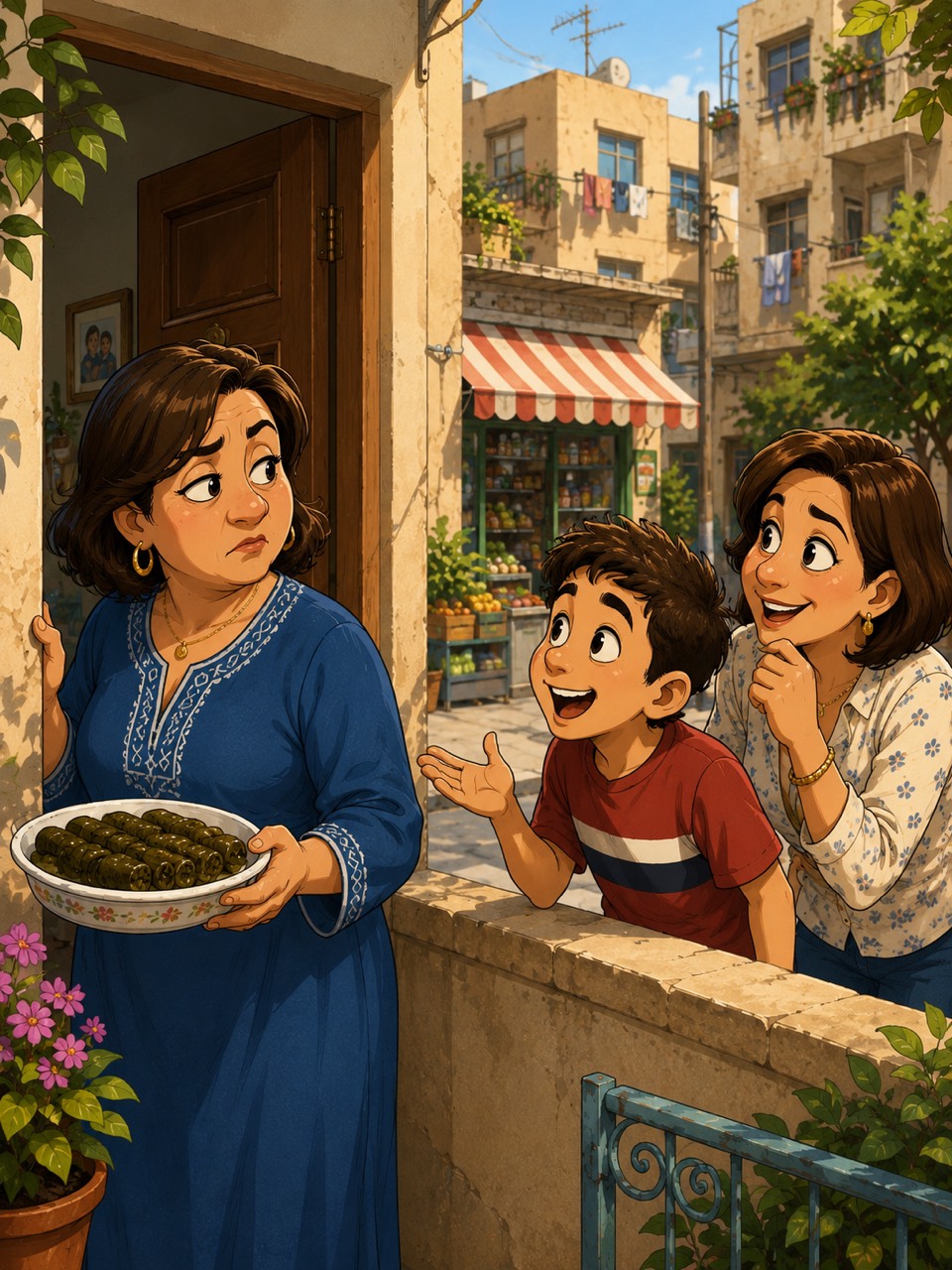
كان في جارة اسمها أم علاء، كل يوم بتطلب إشي من الناس. مرة سكر. مرة بندورة. مرة صحن رز “بس تدوق”. ومرات بتبعت ابنها وقت الغدا يحكي للجيران: “ماما بتحكي إذا في شوي مقلوبة عشان شمّت ريحتها.” مع إنه جوزها وضعه ممتاز، والسوبرماركت تحت العمارة. الجارات بالبداية كانوا يعطوها بذوق. بس الموضوع زاد عن حده. مرة أم رامي طبخت ورق دوالي بعد تعب يوم كامل. قبل ما يلحقوا ياكلوا، دق الباب. طلع علاء، ابن أم علاء بيحكي: “ماما اشْتَهَت حبة و بتحكي إذا في شوي.” أم رامي تطلعت بجوزها و انقهرت عشان اشتغلت فيه نهار كامل وما لحقت تِتْهَنّى عليه..، عبّتلها صحن صغير، وسكرت الباب. جوزها قال: يعني مصاري ومعاهم… ومحل الخضرة تحت… والأكل والمطاعم معبّية السوق… ليش بتحرج حالها مع النّاس هاي المرا المثل بينحكى لما شخص بيجي على باله أكل معيّن وبدك تنصحه يشتريه بدل ما يطلبه من غيره أو يتغلّب فيه ( يعني ممكن تكون بنت تحكي لإمها بدي أجرّب اعمل كنافة بالبيت،،، بس الأم ما بدها بنتها تجرّب وتخسّرها مصاري و توسِّخ المطبخ،،، فبتحكي لبنتها "اللي بالحارة، ما تشتهيه يا جارة" او بنتها جاي عبالها كنافة من كنافة جارتهم،،، بس الإم ما بتحب تطلب وبتحكي لبنتها تشتريها من محل
“If it’s available in the neighborhood, don’t crave it from your neighbor” (Palestinian–Jordanian dialect) There was a neighbor named Um Alaa who was always asking people for things. One day it was sugar. Another day it was tomatoes. Another time it was a plate of rice “just to have a taste.” Sometimes she would even send her son around lunchtime to tell the neighbors: “Mom says if you have a little maqluba left, she smelled it cooking and would love some.” Even though her husband was well off, and there was a supermarket right below their apartment building. At first, the neighbors happily shared with her out of kindness. But eventually, it became too much. One day, Um Rami spent hours making stuffed grape leaves. Before the family even had a chance to sit down and eat, there was a knock at the door. It was Alaa, Um Alaa’s son. He said: “Mom is craving some. She’s asking if you can spare a little.” Um Rami looked at her husband, feeling frustrated. She had spent the whole day preparing the meal and hadn’t even had a chance to enjoy it herself. Still, she filled a small plate for them and closed the door. Her husband shook his head and said: “They have money, the grocery store is downstairs, and restaurants are everywhere. Why does this woman keep putting herself in these awkward situations with people?” Meaning of the proverb The proverb “If it’s available in the neighborhood, don’t crave it from your neighbor” is said when someone wants a certain food or item that is easy to buy or obtain themselves, yet prefers to ask others for it. It is used to encourage people to get what they want on their own instead of depending on neighbors or putting them in an uncomfortable position. For example: * A daughter says, “I want to try making knafeh at home.” Her mother, not wanting the expense, mess, or hassle, might say: “If it’s available in the neighborhood, don’t crave it from your neighbor.” * Or if the daughter wants knafeh specifically from the neighbor’s house, her mother might tell her: “If it’s available in the neighborhood, don’t crave it from your neighbor.” Meaning: Just buy it from a shop instead of asking the neighbors for it.