
أُذِنَ لِلَّذِينَ يُقَاتَلُونَ بِأَنَّهُمْ ظُلِمُوا
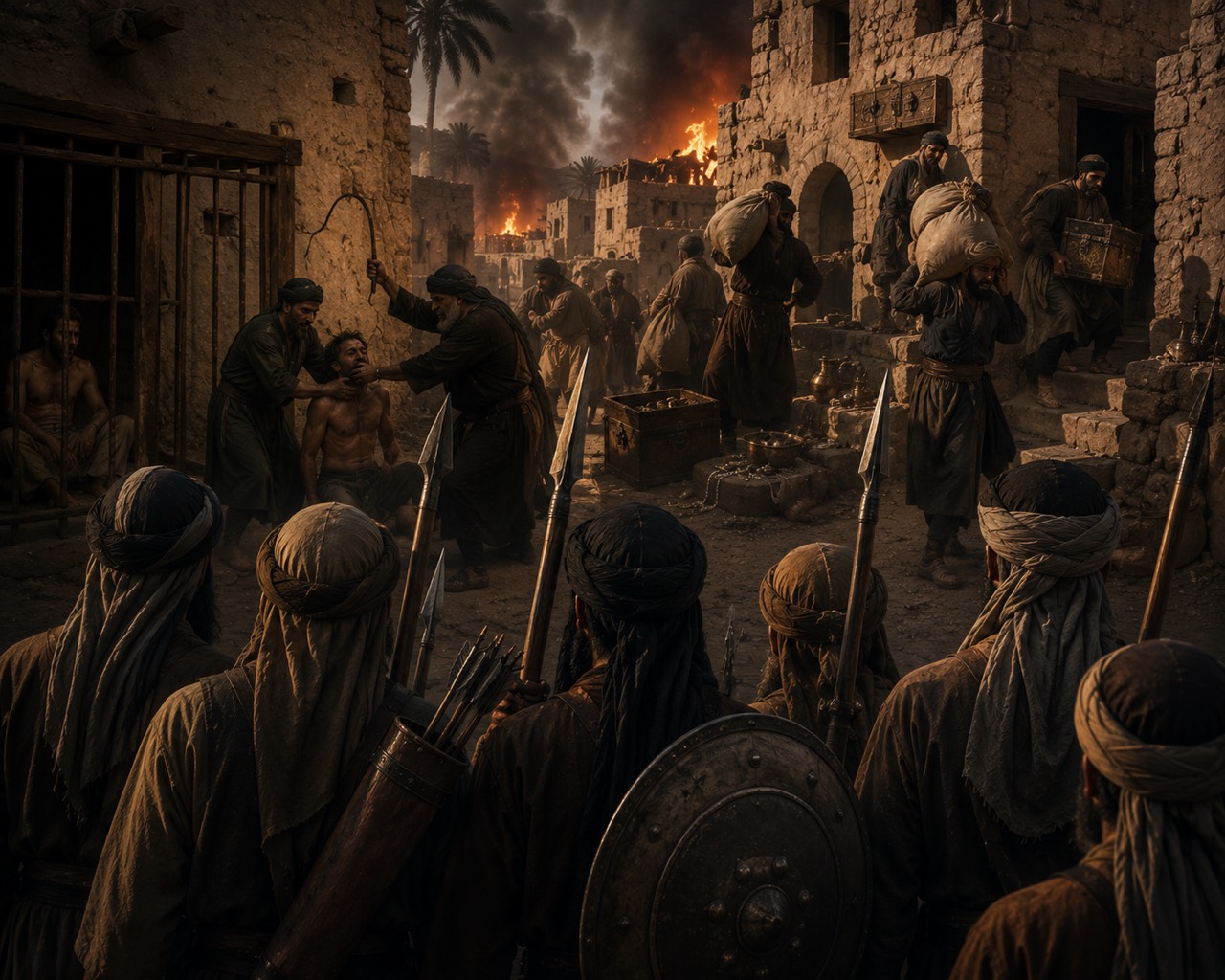
تعامل رسول الله صلى الله عليه وسلم مع يهود المدينة ، وعقد معهم معاهدة وأصبح في المدينة فريقان: مسلمون من مهاجرين وأنصار ويهود ( أهل الكتاب ) منافقون أما حول المدينة، فالناس كثيرة …ومِلَل (أديان) متعددة…منهم من يوالي (يُؤَيّد) قريش في سِرِّه، وفي ظاهره لا يعادي المسلمين خوفاً من بأسهم ومنهم من يوالي (يُؤَيّد) المسلمين في سِرّه ، ولكنه يخشى قريش،،، فلا يظهروا تضامنهم مع المسلمين و بعد مرور ٧ أشهر، أذن (سمح) الله لهم بالقتال فقد وصلتهم أخبار أن قريش وضعت يدها (استَوْلَت) على كل أملاكهم في مكة …حتى بيت النبي صلى الله عليه وسلم إستولى عليه عقيل بن أبي طالب ( إبن عم النبي و أخو علي رضي الله عنه ) وباعه لغيره حتى لا يكون مُلْزَم في رده في يوم من الأيام وبلغت الأخبار النبي صلى الله عليه وسلم وأصحابه .. وإستأذن رجال من أصحاب النبي صلى الله عليه وسلم كحمزة ، وعلي وغيرهم أن يقاتلوا قريش ليأخذوا أموالهم وايضا كان هناك في مكة بعض المستضعفين الذين حُبِسوا و مُنِعوا من الهجرة فكان جوابه صلى الله عليه وسلم " إن الله لم يأذن لي " و إستمر هذا الحال سبعة أشهر كان القتال حتى هذه اللحظة مَنْهِيًّا عنه ، والقاعدة التى كان عليها المسلمون في مكة هي قول الله تعالى {{ وَأَعْرِضْ عَنِ الْمُشْرِكِينَ }} الى ان انزل الله قوله: {{ أُذِنَ لِلَّذِينَ يُقَاتَلُونَ بِأَنَّهُمْ ظُلِمُوا وَإِنَّ اللَّهَ عَلَى نَصْرِهِمْ لَقَدِيرٌ }} ومعنى قوله تعالى ((بِأَنَّهُمْ ظُلِمُوا)) يعنى أنّ الله أذن (سمح) للمسلمين القتال حتى يرفعوا عن أنفسهم الظلم الذي وقع عليهم ، سواء بمصادرة أموالهم وديارهم ، أو حبس المستضعفين من المسلمين بمكة وتعذيبهم وفتنتهم (محاولة ردِّهم) عن دينهم أوحى الله لنبيه في آية صريحة ، تعبر عن شعور المسلمين وتفتح لهم باب الفرج {{أُذِنَ لِلَّذِينَ يُقَاتَلُونَ بِأَنَّهُمْ ظُلِمُوا وَإِنَّ اللَّهَ عَلَى نَصْرِهِمْ لَقَدِيرٌ * الَّذِينَ أُخْرِجُوا مِن دِيَارِهِمْ بِغَيْرِ حَقٍّ إِلاَّ أَن يَقُولُوا رَبُّنَا اللَّهُ وَلَوْلا دَفْعُ اللَّهِ النَّاسَ بَعْضَهُم بِبَعْضٍ لَّهُدِّمَتْ صَوَامِعُ وَبِيَعٌ وَصَلَوَاتٌ وَمَسَاجِدُ يُذْكَرُ فِيهَا اسْمُ اللَّهِ كَثِيرًا وَلَيَنصُرَنَّ اللَّهُ مَن يَنصُرُهُ إِنَّ اللَّهَ لَقَوِيٌّ عَزِيزٌ * الَّذِينَ إِن مَّكَّنَّاهُمْ فِي الأَرْضِ أَقَامُوا الصَّلاةَ وَآتَوُا الزَّكَاةَ وَأَمَرُوا بِالْمَعْرُوفِ وَنَهَوْا عَنِ الْمُنكَرِ وَلِلَّهِ عَاقِبَةُ الأُمُورِ }} فكان هذا إذن من الله عزوجل للنبي صلى الله عليه وسلم وصحابته الكرام بأن يتمرنوا على القتال ويدافعوا عن أنفسهم على خلاف المنهج المدني، في مكة، كان الله عزوجل يُصَبِّر نبيه صلى الله عليه وسلم {{ فَاصْبِرْ كَمَا صَبَرَ أُولُو الْعَزْمِ مِنَ الرُّسُلِ وَلا تَسْتَعْجِلْ لَهُمْ }} وكان النبي صلى الله عليه وسلم يصبر أصحابه ، فكان يقول لهم اصبروا ، وصابروا والله يتبع….. أول سرية {{ سيف البحر }}
Permission Granted to Fight Those Who Have Been Wronged The Messenger of Allah ﷺ dealt with the Jews of Madinah and concluded a treaty with them. Thus, the city came to contain three groups: * Muslims, from among the Muhājirūn (Emigrants) and the Anṣār (Helpers). * Jews (the People of the Book). * Hypocrites. As for the areas surrounding Madinah, they were filled with many peoples and different religions. Some secretly supported Quraysh, while outwardly avoiding hostility toward the Muslims out of fear of their strength. Others secretly sympathized with the Muslims, but feared Quraysh and therefore did not openly show their support. After seven months had passed, Allah granted permission for fighting. News had reached the Muslims that Quraysh had seized all of their property in Makkah. Even the house of the Prophet ﷺ had been taken over by ʿAqīl ibn Abī Ṭālib (the Prophet’s cousin and the brother of ʿAlī رضي الله عنه), who sold it so that he would not later be obliged to return it. Reports of this reached the Prophet ﷺ and his Companions. Some of the Prophet’s Companions, such as Ḥamzah, ʿAlī, and others, sought permission to fight Quraysh and recover their property. Furthermore, there were still vulnerable Muslims in Makkah who had been detained and prevented from emigrating. But the Prophet’s response was: “Allah has not given me permission.” This situation continued for seven months. Until that point, fighting had been prohibited. The principle by which the Muslims lived in Makkah was the command of Allah: “And turn away from the polytheists.” Then Allah revealed: “Permission [to fight] has been granted to those who are being fought, because they have been wronged. And indeed, Allah is capable of granting them victory.” (Qur’an 22:39) The meaning of Allah’s words, “because they have been wronged,” is that Allah granted the Muslims permission to fight in order to remove the injustice inflicted upon them—whether through the confiscation of their wealth and homes, or through the imprisonment, torture, and persecution of the vulnerable Muslims in Makkah in attempts to turn them away from their faith. Allah revealed to His Prophet a clear passage that expressed the feelings of the Muslims and opened for them a door of relief: “Permission [to fight] has been granted to those who are being fought because they have been wronged. And indeed, Allah is capable of giving them victory—those who were expelled from their homes without right, only because they said, ‘Our Lord is Allah.’ Had Allah not checked one people by means of another, monasteries, churches, synagogues, and mosques—in which the name of Allah is mentioned abundantly—would surely have been demolished. And Allah will surely support those who support Him. Indeed, Allah is Powerful and Mighty. Those who, if We establish them in the land, establish prayer, give zakāh, enjoin what is right, and forbid what is wrong. And to Allah belongs the outcome of all affairs.” (Qur’an 22:39–41) This was Allah’s permission to the Prophet ﷺ and his noble Companions to begin training for combat and to defend themselves. This marked a contrast with the Makkan period. In Makkah, Allah had commanded His Prophet ﷺ to endure patiently: “So be patient as the Messengers of firm resolve were patient, and do not seek to hasten [the punishment] for them.” The Prophet ﷺ would likewise encourage his Companions to remain steadfast, saying: “Be patient and persevere, by Allah.” To be continued… The First Expedition: Sīf al-Baḥr (The Seashore Expedition).