
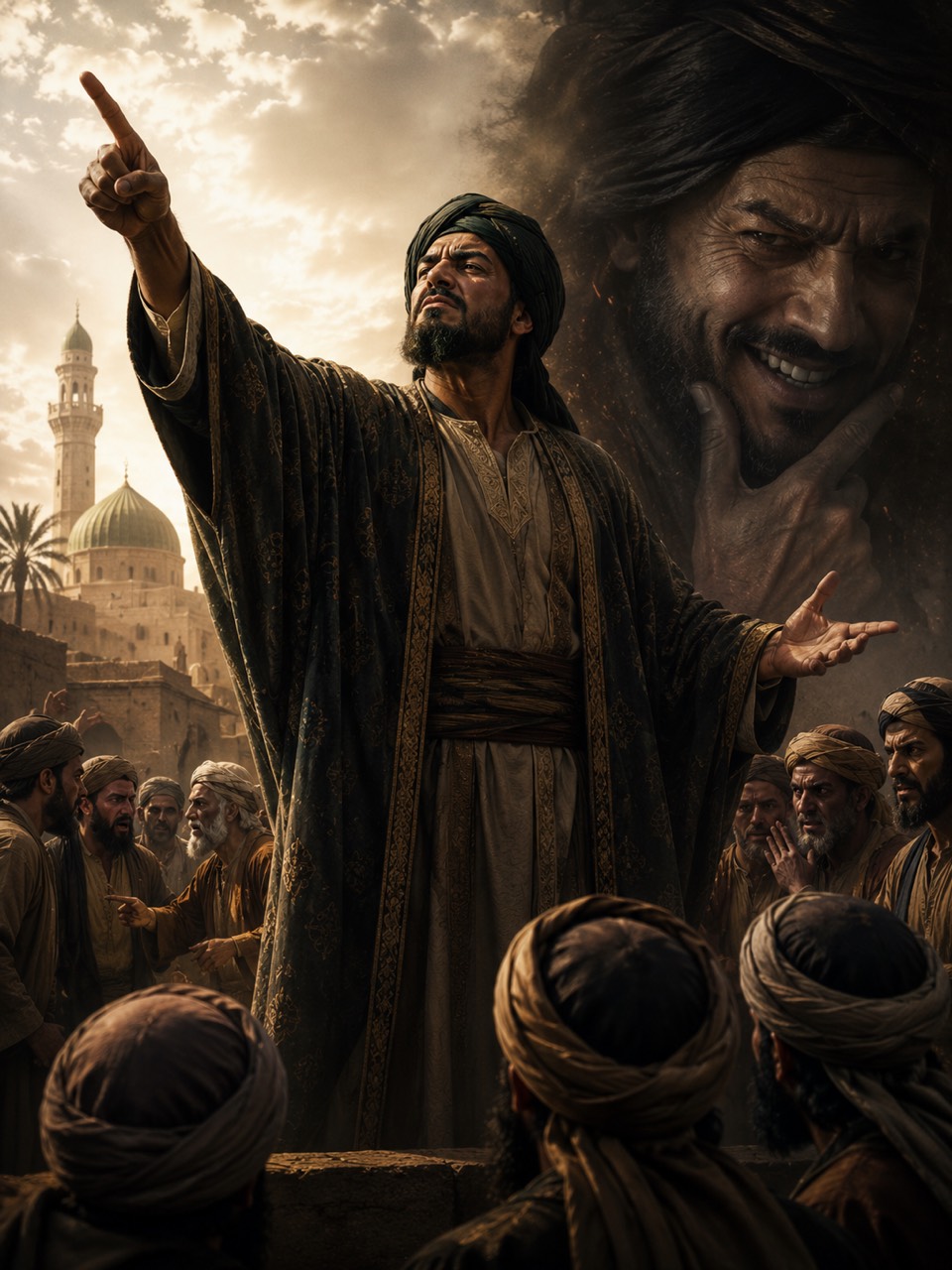
المنافقون في المدينة المنورة
المدينة أصبحت تحت رعاية النبي صلى الله عليه وسلم وفيها مهاجرين وأنصار المهاجرين و الأنصار من خيرة خلق الله ، والامة المحمدية …إمامهم الراعي و حاكمهم خير خلق الله وخير رسل الله ، لأن الرسل من خير الخلق وخيرهم وخاتمهم وإمامهم محمد رسول الله….يتنزل عليه الوحي أناء الليل وأطراف النهار و يطبق كتاب الله و أحكامه على الناس كافة بعدل ومساواة ومع جمال هذه البيئة لم يمنع أن يكون بين صفوفهم منافقين لم يمنع إبن سلول أن يكون رئيس للمنافقين فكان يصلي بالصف الأول في مسجد الرسول فإذا ما جلس الرسول بين الخطبتين يوم الجمعة وقف ابن سلول وإستدار إلى المصلين ( الأنصار والمهاجرين ) وخاطب الأنصار ( لأنّه كان أنصاري فإنّه لا يملك حق أن يخاطب المهاجرين) فكان يخاطب قومه ويقول :_ يا معشر الأنصار ، يا معشر من آمن بالله ورسوله .. إسمعوا ، وأطيعوا ، وأنصروا…تُرْحَموا ، يرحمكم الله وفي نفس الوقت يكيد المكائد للنبي والمؤمنين في كل ساعة حتى نزل القرآن يفضحه ، ويذكر كلماته ، كلمة ، كلمة قال تعالى {{ يَقُولُونَ لَئِن رَّجَعْنَا إِلَى الْمَدِينَةِ لَيُخْرِجَنَّ الْأَعَزُّ مِنْهَا الْأَذَلَّ ۚ وَلِلَّهِ الْعِزَّةُ وَلِرَسُولِهِ وَلِلْمُؤْمِنِينَ وَلَٰكِنَّ الْمُنَافِقِينَ لَا يَعْلَمُونَ }} سمّاه الله منافق بالقرآن الكريم و بعد نزول الآية قام أيضاً إبن سلول في الجمعة التي تَلي (بعد) نزول هذه الآية ليُكمل نفاقه وقف وقال :_ يا معشر ... وقبل أن يتم كلامه ..كان رجل من الأنصار من قومه أنصاري خزرجي…. وكان إبن سلول يُعْتَبَر سيده وأميره … ومع ذلك جذبه من ثوبه ، حتى أنزل ركبتيه إلى الأرض قال له :_ إجلس قَبَّحَك الله ،،،،،ألا تستحي ؟!!!!! (يقصد الرجل ماذا تقول يا إبن سلول بعد أن نزل فيك قرآن يُتلى… أترى أحد يثق بك أو يصدقك ؟؟ !!) فغضب إبن سلول ، ونفذ صبره لأنّ المنافق ليس مؤمن .. المؤمن هو الصبور فقام إبن سلول ، وتخطى الصفوف ، وهو يشتم ويلعن وخرج من المسجد والنبي على المنبر خرج هذا المنافق والنبي يخطب على المنبر حتى لقيه رجل من قومه على باب المسجد قال له :_ويحك …أين تخرج ورسول الله يخطب ؟ قال :_ قمت أؤيده ، وأشد أزره ، كما أفعل كل جمعة فقام أصحابه يتعدّون عليي فقال له الرجل :_ ويحك …إرجع يستغفر لك رسول الله قال :_ لست بحاجة إلى إستغفاره ، وأدار وجهه إلى الجهة الأخرى فقال له الرجل الأنصاري :_ إني لأرجو الله أن يُنْزِل في لوية عنقك هذه ( يقصد في رفضِه)، قرآن يُتْلى إلى قيام الساعة وما هي إلا أن إنتهى النبي صلى الله عليه وسلم من صلاة الجمعة وإذ بجبريل يهبط عليه بالقرآن {{ وإذا قيل لهم تعالوا يستغفر لكم رسول الله لووا رءوسهم ورأيتهم يصدون وهم مستكبرون * سواء عليهم أأستغفرت لهم أم لم تستغفر لهم لن يغفر الله لهم إن الله لا يهدي القوم الفاسقين }} نزلت الايات كما طلب الصحابي المؤمن الصادق أرجو من الله أن ينزل في لوية عنقك قرآن {{ لووا رءوسهم }}
The Hypocrites in Madinah Madinah had now come under the leadership of the Prophet ﷺ. It was inhabited by the Muhājirūn (Emigrants) and the Anṣār (Helpers). The Muhājirūn and the Anṣār were among the finest of Allah’s creation and the best of the Muḥammadan nation. Their leader, guardian, and ruler was the best of Allah’s creation and the best of His Messengers. The Messengers themselves are the best of mankind, and the best, final, and foremost among them is Muḥammad, the Messenger of Allah ﷺ. Revelation descended upon him throughout the night and at the ends of the day, and he implemented the Book of Allah and His rulings among all people with justice and equality. Yet despite the beauty of this environment, it did not prevent hypocrites from existing among them. Nor did it prevent ʿAbdullāh ibn Ubayy ibn Salūl from becoming the leader of the hypocrites. He would pray in the first row of the Prophet’s Mosque. Whenever the Prophet ﷺ sat between the two sermons on Friday, Ibn Ubayy would stand, turn toward the congregation—both the Muhājirūn and the Anṣār—and address the Anṣār (for he himself was one of them and had no standing to address the Muhājirūn). He would say to his people: “O assembly of the Anṣār! O people who believe in Allah and His Messenger! Listen, obey, and support him, and you will receive Allah’s mercy.” Yet at the very same time, he was plotting against the Prophet and the believers at every opportunity. Eventually, the Qur’an exposed him, repeating his very words. Allah said: “They say, ‘If we return to Madinah, the more honorable will surely expel the more humble from it.’ But honor belongs to Allah, His Messenger, and the believers, though the hypocrites do not know.” (Qur’an 63:8) Allah Himself described him as a hypocrite in the Qur’an. Even after this verse was revealed, Ibn Ubayy continued his hypocrisy. On the Friday following the revelation of the verse, he stood up again and began: “O people…” Before he could finish, a man from the Anṣār—one of his own Khazraj tribesmen—seized him by his garment and pulled him down until his knees touched the ground. This was remarkable because Ibn Ubayy had once been regarded as that man’s chief and leader. The man said: “Sit down! May Allah disgrace you! Have you no shame?!” In other words: “How can you still speak after Qur’anic verses have been revealed about you? Do you think anyone still trusts or believes you?” Ibn Ubayy became furious. His patience gave way, for a hypocrite does not possess the patience of a true believer. He rose, pushed through the rows while cursing and shouting, and left the mosque even as the Prophet ﷺ was delivering the sermon. Outside the mosque, a man from his people met him at the door and said: “Woe to you! Where are you going while the Messenger of Allah is preaching?” Ibn Ubayy replied: “I stood to support him and strengthen his position, as I do every Friday, but his companions attacked me.” The man answered: “Woe to you! Go back. Let the Messenger of Allah seek forgiveness for you.” Ibn Ubayy replied: “I have no need for his seeking forgiveness for me.” Then he turned his face away. The Anṣārī said: “I hope Allah will reveal Qur’an concerning this twisting of your neck in arrogance, and that it will be recited until the Day of Resurrection.” Not long afterward, when the Prophet ﷺ finished the Friday prayer, Jibrīl (Gabriel) descended with revelation: “And when it is said to them, ‘Come, so that the Messenger of Allah may seek forgiveness for you,’ they turn their heads aside, and you see them turning away in arrogance. It is all the same for them whether you seek forgiveness for them or do not seek forgiveness for them—Allah will never forgive them. Indeed, Allah does not guide the defiantly disobedient people.” (Qur’an 63:5–6) The verses came exactly as that sincere believing Companion had hoped: “I hope Allah will reveal Qur’an concerning the turning of your neck in arrogance.” And Allah revealed: “They turn their heads aside.” (لووا رءوسهم) Thus the Qur’an exposed the hypocrisy and arrogance of Ibn Ubayy, preserving the incident as a lesson for future generations.