
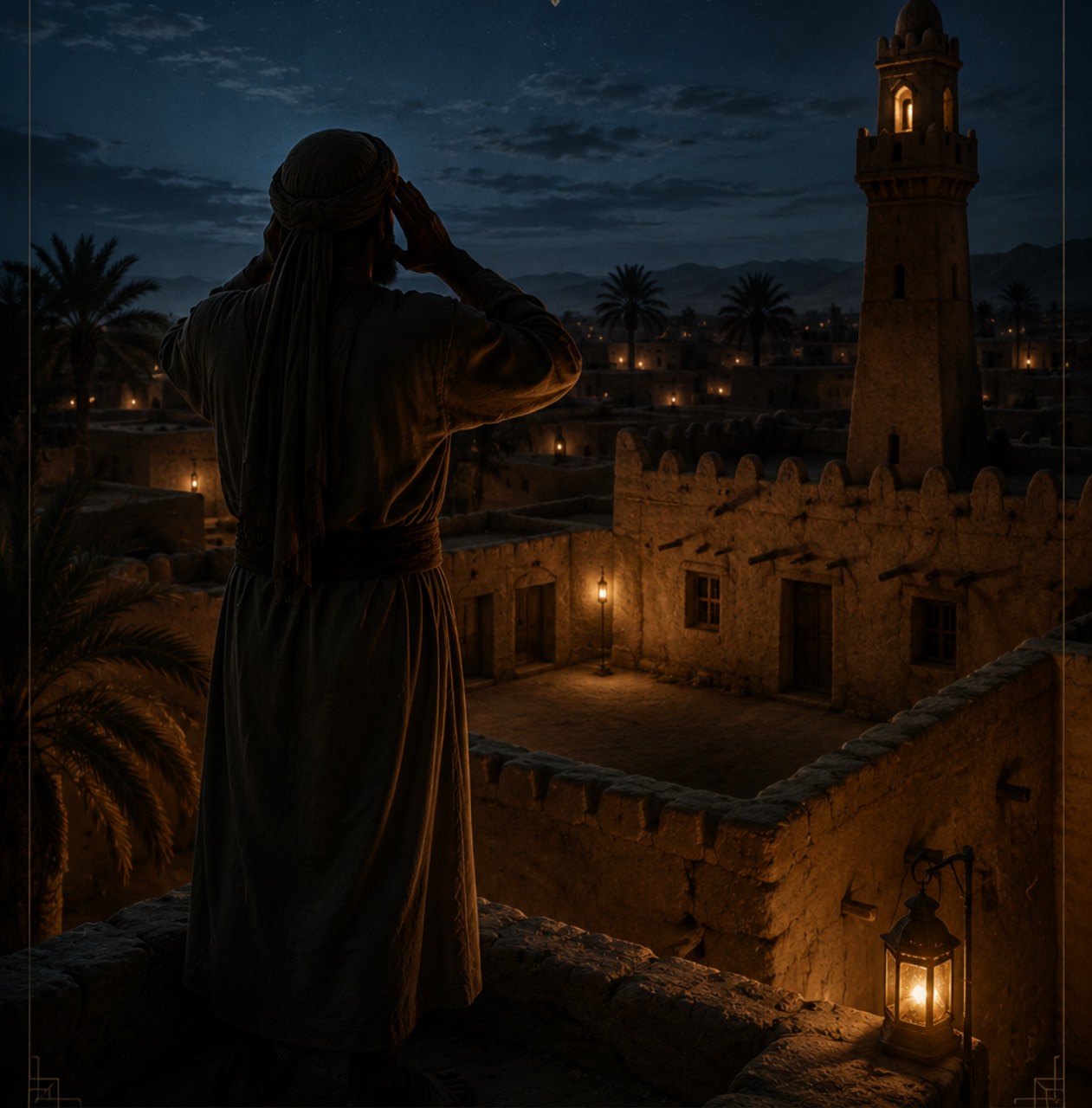
هجرة بنات النبي وزوجاته ، ومشروعية الآذان
هاجر نبي الله عليه السلام مفرداً بصحبة أبو بكر رضي الله عنه ولم يصطحب أهله لأنه هاجر من أجل الدين وإبتغاء وجه الله وكذلك أبو بكر الصديق فلما إستقر بالمدينة صلى الله عليه وسلم، أرسل {{ أبو رافع وزيد بن حارثة }} والدليل الذي إصطحبه خلال هجرته {{ إبن أريقط }} ليأتي بعائلة بيت النبوة من مكة ليأتي بالسيدة {{ سودة بنت زمعة زوجته في مكة }} ويأتي بإبنتيه {{ أم كلثوم وفاطمة }} فإنطلق الدليل مع الصاحبين وأتى بأهل بيت النبي صلى الله عليه وسلم وخرج بصحبتهم آل الصديق زوجة أبو بكر ويقال لها{{ أم رومان }} والسيدة {{ أسماء بنت أبي بكر الصديق }}وهي زوجة الزبير بن العوام وكانت حامل بإبنها {{ عبدالله بن الزبير }} في الشهر التاسع ، فما أن وضعت قدمها في المدينة المنورة وضعت مولودها فكان أول مولود من المهاجرين في أرض المدينة المنورة وكان من ضمن هذه المجموعة السيدة عائشة الصدّيقة بنت أبو بكر الصدّيق ( خطبها رسول الله في مكة و تزوجها في المدينة) قَدِم هذا الركب المبارك من أهل بيت النبوة وآل الصديق ولم يتخذ صلى الله عليه وسلم لأهله ، إلا حجرة (غرفة) واحدة لزوجته سودة وحجرة أخرى لابنَتَيْه مشروعية الأذان بعد بناء المسجد النبوي وكانت الصلاة تُعْقد جماعة ولم يكن هنالك أذان ، فكانوا يحضرون إلى الصلاة عند وقت الصلاة فجمعهم النبي صلى الله عليه وسلم يوماً وقال : لنتخذ وسيلة تعلن وقت الصلاة فقال رجل منهم :_ نرفع راية يا رسول الله ، يحملها رجل على ظهر المسجد فإذا حان وقت الصلاة ، فيراها الناس فيتجمعون فقال :_ إنها لا تصلح للنائم في الفجر ، ولا تنبه الغافل في الأسواق فلم يعتمد هذا الرأي فقالوا :_ نشعل ناراً فيراها الناس فرفضها النبي صلى الله عليه وسلم ، لأنها شعار المجوس قالوا :_ ننفخ في البوق كما يفعل اليهود فقال :_ إنا لا نريد تقليدهم فقالوا :_ نضرب الناقوس ( أي الجرس كما تفعل النصارى) قال :_ إنه فعل النصارى فقال قائل : نبعث من ينادي في الطرقات "الصلاة جامعة " فإستحسن النبي صلى الله عليه وسلم هذا الرأي ، وأمر أربعة من الرجال ينادون في وقت الصلاة من جهات المسجد الأربعة "الصلاة جامعة ، الصلاة جامعة " فيجتمع الناس إلى الصلاة ومضت هذه الطريقة أيام ، والنبي صلى الله عليه وسلم يفكر في موضوع النداء إلى الصلاة لا يعجبه هذا الفعل أن يبقى أربعة ينادون في الطرقات وكان هناك شاب إسمه [{{ عبد الله بن زيد الأنصاري}} كان يتردد إلى النبي صلى الله عليه وسلم ويقول : يا رسول الله إني أراك تهتم في أمر الصلاة يقول له النبي : أجل لا يعجبني هذا النداء إنما أريد أن يكون لكم شعار مميز يقول هذا الصحابي {{ عبدالله بن زيد الانصاري رضي الله عنه }}: فذهبت ليلة وأنا مهموم لَهَمِّ رسول الله صلى الله عليه وسلم .. أتدبر كيف يكون أمر يرضيه ؟؟ وننادي به إلى الصلاة فلما مضى نصف الليل وأقبل الفجر وإذا بعبد الله بن زيد يطرق باب النبي صلى الله عليه وسلم ويستأذن بالدخول على النبي ( لم يطلع الفجر بعد ) فخرج إليه النبي صلى الله عليه وسلم وكان يصلي صلاة القيام فجلس عبد الله الأنصاري إلى النبي وقال :_" بأبي وأمي يا رسول الله ، لقد رأيت رؤيا أعظمتها …فلم أملك نفسي بأن أبقى إلى الفجر ، فأتيتك من الساعة فأعذرني يا رسول الله قال :_ هاتِ ما ورائك يا إبن زيد ؟؟ قال :_ بينما أنا بين النائم واليقظان ، أحمل هَمَّ النداء إلى الصلاة… إذ رأيت كأني في الطريق ورجل عليه ثوبان أخضران وبيده ناقوس ( أي جرس ) فقلت :_ هل تبيعني هذا الناقوس ؟ فقال :_ وما تريد منه ؟ قلت له ننادي به إلى الصلاة ، إلى أن نستقر إلى أمر ، فإن رسول الله صلى الله عليه وسلم لا يعجبه النداء في الطرقات فقال :_ ألا أدلك على خير من هذا ؟ قلت له :_بلى قال :_ إنطلق إلى رسول الله وأبلغه أن ينادي بهذا النداء الذي ستسمعه مني الآن قال :_فوقف أمامي ونادى {{ الله أكبر الله أكبر .. الله أكبر الله أكبر .. أشهد أن لا إله إلا الله .. أشهد أن لا إله إلا الله .. أشهد أن محمد رسول الله .. أشهد أن محمد رسول الله .. حي على الصلاة .. حي على الصلاة .. حي على الفلاح .. حي على الفلاح .. الله أكبر الله أكبر ..لا إله إلا الله }} ثم قال:_ تقول إذا أقيمت الصلاة {{ الله أكبر الله أكبر، أشهد أن لا إله إلا الله، أشهد أن محمدا رسول الله، حي على الصلاة، حي على الفلاح، قد قامت الصلاة قد قامت الصلاة، الله أكبر الله أكبر، لا إله إلا الله }} فقال النبي صلى الله عليه وسلم :_ رؤيا حق يا إبن زيد …إنتظر حتى يكون الفجر وتمليها على بلال الحبشي ، فإنه أندى (أعذب) منك صوتاً وما هي إلا ساعة من وقت ، حتى أخذ الصحابة يحضرون إلى المسجد لحضور صلاة الفجر فلما دخل بلال قام عبد الله الأنصاري ، وعلمه هذه الكلمات فوقف بلال ينادي بها فما أن كبر تكبيرتين حتى جاء عمر بن الخطاب رضي الله عنه يجر ردائه ( يعني من العجلة لم يُكمل لبس ردائه بالدار يجر ردائه خلفه على الأرض ) فدخل فوجد النبي جالساً ، وبلال يكبر فأقبل على النبي يقبل رأسه ويقول :_ والذي بعثك بالحق ، لقد رأيت مثل هذا الليلة ، وكنت أريد أن أحدثك به بعد الصلاة فقال له صلى الله عليه وسلم :_ لقد سبقك بها عبد الله بن زيد ولقد سبقكما بها جبريل ..فلقد جاءني ولقنني إياها {{وما ينطق عن الهوى، إن هو إلّا وحيٌ يُوحى }} عندما شُرِع الأذان، لم تكن فيه {{ الصلاة خير من النوم }} في الفجر حتى كان يوم من الأيام بلال يؤذن الفجر فلما قال :_ حي على الصلاة ، وحي على الفلاح وهو رافع بها صوته تذكر أن الناس نيام ، وأنهم نائمون في مثل هذا الوقت فإجتهد من عنده وقال {{ الصلاة خيرٌ من النوم }} فسمعها النبي صلى الله عليه وسلم فقال له بعد أن أتم الأذان نِعما ما قلت يا بلال إجعلها في الفجر دائماً.
The Migration of the Prophet’s Daughters and Wives, and the Legislation of the Adhān The Messenger of Allah ﷺ migrated alone, accompanied only by Abu Bakr رضي الله عنه. He did not take his family with him because his migration was solely for the sake of religion and seeking the pleasure of Allah. The same was true of Abu Bakr al-Ṣiddīq رضي الله عنه. When the Prophet ﷺ had settled in Madinah, he sent Abu Rafiʿ, Zayd ibn Ḥārithah, and the guide who had accompanied him during the migration, Ibn Urayqiṭ, to bring the household of Prophethood from Makkah. They were sent to bring: * Sawdah bint Zamʿah, his wife in Makkah. * His two daughters, Umm Kulthūm and Fāṭimah. The guide departed with the two Companions and brought the Prophet’s household. Accompanying them were members of Abu Bakr’s family: * His wife Umm Rumān. * Asmāʾ bint Abī Bakr, the wife of al-Zubayr ibn al-ʿAwwām. Asmāʾ was in the ninth month of pregnancy with her son ʿAbdullāh ibn al-Zubayr. As soon as she set foot in Madinah, she gave birth, and he became the first child born to the Muhājirūn (Emigrants) in the land of Madinah. Among this blessed caravan was also ʿĀʾishah al-Ṣiddīqah, daughter of Abu Bakr al-Ṣiddīq. The Messenger of Allah ﷺ had become engaged to her in Makkah, and the marriage was later consummated in Madinah. When this blessed company from the House of Prophethood and the family of Abu Bakr arrived, the Prophet ﷺ had prepared for them only a single room for his wife Sawdah and another room for his two daughters. ⸻ The Legislation of the Adhān After the construction of the Prophet’s Mosque, the Muslims performed their prayers in congregation, but there was not yet any adhān (call to prayer). People simply came to pray when the prayer time arrived. One day the Prophet ﷺ gathered them and said: “Let us establish a means of announcing the time of prayer.” One man suggested: “Let us raise a banner, O Messenger of Allah. A man can carry it to the roof of the mosque, and when the prayer time comes people will see it and gather.” The Prophet ﷺ replied: “It would not benefit one who is asleep at dawn, nor would it alert the heedless in the marketplaces.” So he did not adopt this suggestion. Others proposed: “Let us light a fire so that people can see it.” The Prophet ﷺ rejected this because it was the practice of the Magians (Zoroastrians). They then said: “Let us blow a horn as the Jews do.” He replied: “We do not wish to imitate them.” They said: “Let us strike a bell, as the Christians do.” He said: “That is the practice of the Christians.” Someone then suggested: “Let us send men through the streets calling out: ‘Al-Ṣalātu Jāmiʿah’ (Prayer is gathering).” The Prophet ﷺ approved of this idea and instructed four men to call out from the four directions surrounding the mosque: “Al-Ṣalātu Jāmiʿah! Al-Ṣalātu Jāmiʿah!” People would then gather for prayer. This method continued for several days while the Prophet ﷺ continued to reflect on the matter. He was not fully satisfied with the idea of having four men walk through the streets calling the people. Among the Companions was a young man named ʿAbdullāh ibn Zayd al-Anṣārī رضي الله عنه. He would often come to the Prophet ﷺ and say: “O Messenger of Allah, I see that you are concerned about the matter of prayer.” The Prophet ﷺ would reply: “Indeed. I do not like this method of calling. I want you to have a distinctive symbol.” ⸻ The Dream of ʿAbdullāh ibn Zayd ʿAbdullāh ibn Zayd رضي الله عنه later said: “One night I went to sleep deeply concerned because of the concern of the Messenger of Allah ﷺ. I kept thinking about a way that would please him and serve as a call to prayer.” When half the night had passed and dawn was approaching, he came to the Prophet’s door and requested permission to enter before dawn had broken. The Prophet ﷺ came out to him while engaged in the night prayer (Qiyām). ʿAbdullāh sat before him and said: “May my father and mother be sacrificed for you, O Messenger of Allah. I have seen a dream so remarkable that I could not wait until morning to tell you. Please excuse me for coming at this hour.” The Prophet ﷺ said: “Tell me what you saw, O Ibn Zayd.” He replied: “While I was between sleep and wakefulness, carrying the concern of the call to prayer, I saw myself on a road. There was a man wearing two green garments and carrying a bell.” I asked him: “Will you sell me this bell?” He asked: “What do you want it for?” I said: “We will use it to call people to prayer until we settle on a proper method, for the Messenger of Allah ﷺ does not like the current way of calling in the streets.” He replied: “Shall I direct you to something better than that?” I said: “Yes.” He said: “Go to the Messenger of Allah and inform him that the call should be as follows.” Then he stood before me and proclaimed: Allahu Akbar, Allahu Akbar Allahu Akbar, Allahu Akbar Ashhadu an lā ilāha illa Allah Ashhadu an lā ilāha illa Allah Ashhadu anna Muḥammadan Rasūl Allah Ashhadu anna Muḥammadan Rasūl Allah Ḥayya ʿala al-Ṣalāh Ḥayya ʿala al-Ṣalāh Ḥayya ʿala al-Falāḥ Ḥayya ʿala al-Falāḥ Allahu Akbar, Allahu Akbar Lā ilāha illa Allah Then he said: “And when the prayer is about to begin, say:” Allahu Akbar, Allahu Akbar Ashhadu an lā ilāha illa Allah Ashhadu anna Muḥammadan Rasūl Allah Ḥayya ʿala al-Ṣalāh Ḥayya ʿala al-Falāḥ Qad qāmati al-Ṣalāh, Qad qāmati al-Ṣalāh Allahu Akbar, Allahu Akbar Lā ilāha illa Allah ⸻ Bilāl and ʿUmar Confirm the Adhān The Prophet ﷺ said: “It is a true vision, O Ibn Zayd. Wait until dawn, then teach it to Bilāl the Abyssinian, for his voice is more melodious than yours.” Not long afterward, the Companions began arriving for the Fajr prayer. When Bilāl entered, ʿAbdullāh taught him the words. Bilāl then stood and began calling the adhān. As soon as he had pronounced the opening takbīrs, ʿUmar ibn al-Khaṭṭāb رضي الله عنه came rushing toward the mosque, dragging his cloak behind him in haste, not having fully put it on. He entered and found the Prophet ﷺ seated while Bilāl was calling the adhān. ʿUmar approached, kissed the Prophet’s head, and said: “By the One who sent you with the truth, I saw exactly the same vision last night and intended to tell you after the prayer.” The Prophet ﷺ replied: “ʿAbdullāh ibn Zayd informed me of it before you.” Then he added: “And Jibrīl had informed me of it before both of you, for he came and taught it to me.” As Allah says: “Nor does he speak from his own desire. It is nothing but revelation revealed.” ⸻ “Prayer Is Better Than Sleep” When the adhān was first legislated, the phrase: “Al-Ṣalātu khayrun mina al-nawm” (“Prayer is better than sleep”) was not part of the Fajr adhān. One day Bilāl was calling the adhān for Fajr. After saying: “Ḥayya ʿala al-Ṣalāh, Ḥayya ʿala al-Falāḥ,” he remembered that people were asleep at that hour. Acting on his own initiative, he added: “Al-Ṣalātu khayrun mina al-nawm.” The Prophet ﷺ heard it, and after Bilāl completed the adhān, he said: “Excellent indeed is what you have said, O Bilāl. Make it a permanent part of the Fajr adhān.”