
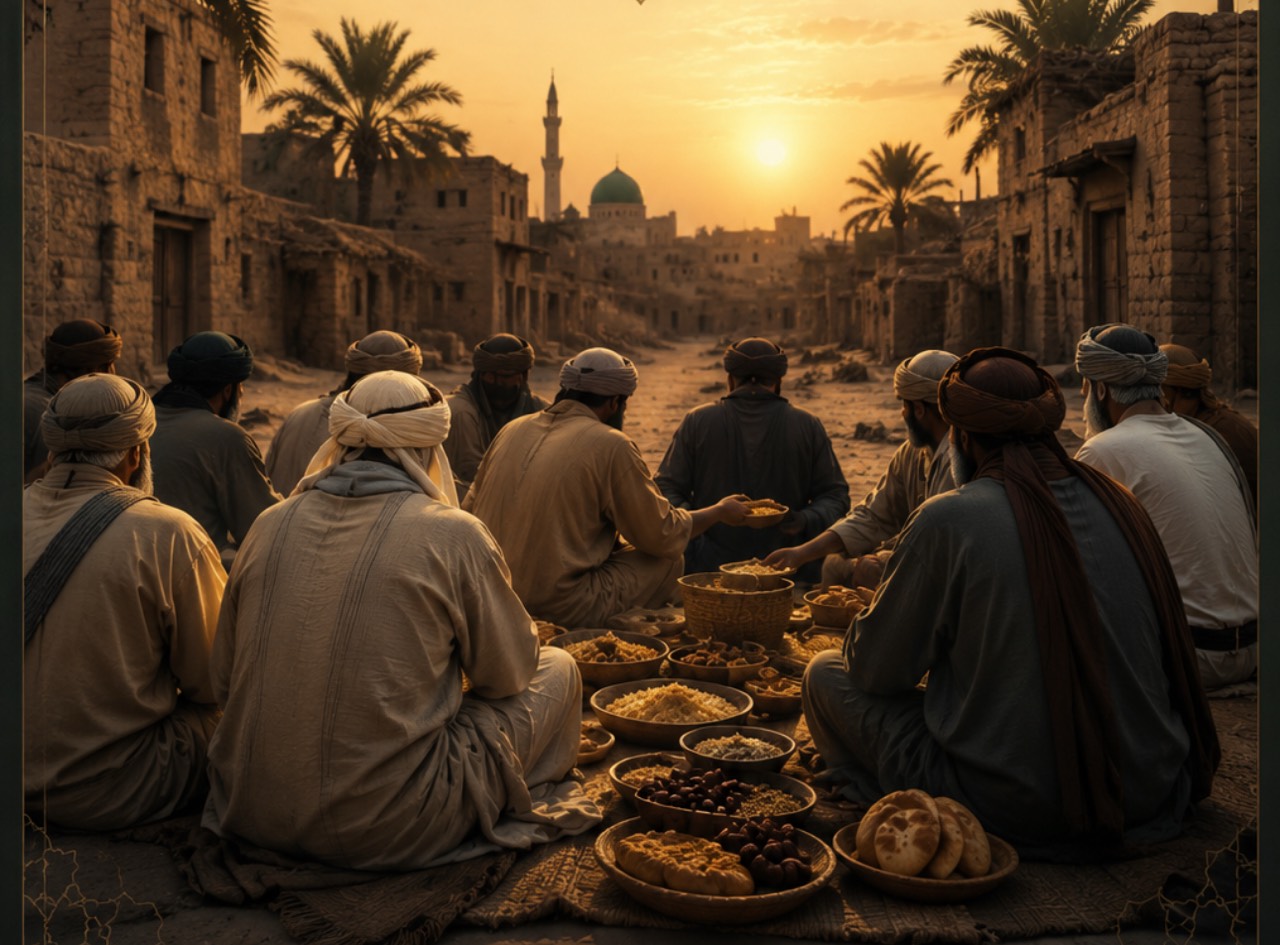
المؤاخاة بين المهاجرين والأنصار
عند بناء المسجد، وضع عليه السلام نظام المؤآخاة بين المهاجرين والانصار وكانت هذه الأُخُوّة، هي أُخُوّة حقيقة أُخُوّة كاملة بحيث أن الأخوين يرث كل منهما الآخر ليشعروا حقا بجدية هذه الأخوة حتى نزلت تشريعات القران الكريم في المدينة المنورة ، ونسخت هذا الحكم بقوله تعالى {{ وَأُولُو الأَرْحَامِ بَعْضُهُمْ أَوْلَى بِبَعْضٍ فِي كِتَابِ اللَّهِ }} ولم يجعل رسول الله صلى الله عليه وسلم ، وزناً للفوارق الطبقية يعني أنّ المؤاخاة كانت تجمع بين الغني والفقير …الأبيض والأسود …الحر والعبد وقد نجح حبيبنا صلى الله عليه وسلم ، عن طريق المؤاخاة أن: ١_ يتعلم المسلمين الجدد من الأنصار الإسلام من المهاجرين ٢_ حل جميع مشاكل المهاجرين السَكَنيّة، والاقتصادية ولا يعني هذا ان المهاجرين ، اصبحوا حِمْلًا ثقيل على الانصار ولكن أن يقف الأنصار الى جانب المهاجرين لفترة من الوقت وهي الفترة الصعبة فترة بداية حياتهم في المدينة، حتى يقف المهاجرين على اقدامهم، ويزول عنهم الاحساس بالغربة، ويندمجوا في المجتمع فقال النبي صلى الله عليه وسلم : "إليّ يا معشر المهاجرين… إليّ يا معشر الأنصار " حتى إقتربوا كل الصحابة وإجتمعوا إليه فقال : فلتتآخوا في دين الله أخوين أخوين قال لهم رسول الله : فلينزل كل مهاجر في منزل أنصاري …يكونو أخوين في دين الله يرث أحدهم الآخر (هذا يعني أنّه إذا مات الأنصاري يَرِثُه أخوه المهاجر ،،،وإذا مات المهاجر وله وِرْثَة في مكة، يَرِثُه أخوه الأنصاري أخوين أخوين في دين الله آخى بينهم صلى الله عليه وسلم وجاء علي بن أبي طالب رضي الله عنه مهاجر ودخل المدينة، وعندما وصل، وجد الناس قد تآخوا (يعني عندما وصل في اليوم الثاني من وصول النبي إلى المدينة وجد المهاجرين والأنصار متآخين بالله أخوين إخوين) فقال علي :_ يا رسول الله قد تآخى المهاجرين والأنصار فمن أخي أنا ؟ فأخذ النبي صلى الله عليه وسلم بيده ورفعها وقال :_ أنا أخوك يا علي ، فكان علي أخو النبي في هذه المؤاخاة مع أن رسول الله وعلي مهاجرين ولكن لم يعتبر النبي نفسه فرداً من المهاجرين بل أصبح سيد المهاجرين والأنصار …. وأثناء بناء المسجد النبوي ، خرج صلى الله عليه وسلم يتفقد المدينة، وينظر فيها فقد أصبحت مدينته فوجد أن السوق الرئيسي فيها يملكه يهود حيث أنّ اليهود دائماً يضعوا أيديهم على شرايين الإقتصاد و يملكون السوق متخصصون بصياغة الذهب والمجوهرات وتصنيع السلاح فإذا ملكوا النقد (المال) وملكوا السلاح ماذا بقي لغيرهم ؟؟!! فلما رأى ذلك صلى الله عليه وسلم، أدرك أن اليهود تسيطر على إقتصاد المدينة فجاء إلى موقع من عند باب السلام مقابل المسجد النبوي وقريب من المسجد وأخذ عود وخط به بالرمال ونظر أصحابه ماذا يخطط رسول الله ؟ خطه بالعرض ، والطول ثم قال: يا معشر المؤمنين هذا سوق المسلمين لا يملكه أحد السوق لمن سبق ، ولا يبيع فيه أحد على بيع أخيه فنقل تجارة المسلمين ، إلى سوق كان يُشْرِف عليه هو صلى الله عليه وسلم يوماً بعد يوم حتى إذا جاء السوق مرة وكان الطقس ماطراً ووجد رجل يبيع البر ( أي القمح ) فنظر إليه ونظر إلى قمحه ثم جاء ووضع يده صلى الله عليه وسلم في كومة القمح فوجد داخله مبلول فقال له : هل تجعل ما أصابته السماء (ما أمطرت عليه السماء) على وجهه كي يراه الناس {{ من غش فليس منا }} فأصبح للمؤمنين سوق وفيه إقتصادهم ولم يعودوا آلة في يد اليهود يلعبون بهم كما يشاؤون ثم قام صلى الله عليه وسلم بِوَضْع {{ وثيقة المدينة }} والوثيقة (أي دستور المدينة ) وهو يعتبر أول دستور مدني في التاريخ، ومفخرة من مفاخر الحضارة الاسلامية وكان يحتوي على {{ ٥٢ بند }} خاص لأمور المسلمين و {{ ٢٧ بند }} خاص بالعلاقة بين المسلمين من جهة، وغير المسلمين من جهة أخرى وهم {{ المشركين واليهود }} وقد كفل هذا الدستور لأصحاب الأديان الأخرى من المشركين واليهود ، جميع الحقوق الانسانية كحرية الاعتقاد ، وحرية اقامة شعائرهم ، والمساواة والعدل، كما نصت بنود هذا الدستور على أنه في حالة مهاجمة المدينة من قبل عدو فعليهم أن يتحدوا جميعا لمواجهته لذلك قال مايكل هارت مؤلف كتاب {{ الخالدون المائة الأوائل }} بعد دراسته لسيرة النبي صلى الله عليه وسلم ، ليختار ١٠٠ شخصية عالمية غيرت العالم فوضع شخصية النبي صلى الله عليه وسلم الأولى في كل العالم فقال مايكل هارد: إن اختياري لمحمد ليأتي في المرتبة الأولى من قائمة أكثر أشخاص العالم تأثيراً في البشرية ، قد يدهش بعض القراء وقد يعترض عليه البعض ، ولكنه كان الرجل الوحيد في التاريخ الذي حقق نجاحاً بارزاً على كل من المستوى الديني والدنيوي و إن البقية ولدوا في بلاد حضارات و علم بينما محمد ولد في بيئة صحراوية ، جاهلة و فقيرة و بعيدة عن العلم محمد تاثيره ذاتي ، و عظيم و متجدد إلى يومنا
The Brotherhood Between the Muhājirūn and the Anṣār While the mosque was being built, the Prophet ﷺ established the system of brotherhood (muʾākhāh) between the Muhājirūn (the emigrants from Makkah) and the Anṣār (the Helpers of Madinah). This brotherhood was not merely symbolic; it was a complete and genuine bond of brotherhood. The two brothers were even allowed to inherit from one another so that they would truly feel the seriousness and reality of this relationship. This ruling remained in effect until the legislation of the Qur’an was revealed in Madinah and abrogated it through the verse: “And blood relatives are more entitled to one another according to the Book of Allah.” (Qur’an 8:75) The Messenger of Allah ﷺ paid no attention to social distinctions. Brotherhood united: * the rich and the poor, * the white and the black, * the free man and the slave. Through this system of brotherhood, our beloved Prophet ﷺ successfully achieved two goals: 1. The new Muslim Anṣār learned Islam from the Muhājirūn. 2. The housing and economic problems of the Muhājirūn were solved. This did not mean that the Muhājirūn became a burden upon the Anṣār. Rather, the Anṣār stood beside them during the difficult initial period of their lives in Madinah, until they became established, overcame their sense of exile, and integrated into society. The Prophet ﷺ then said: “Come to me, O Muhājirūn… Come to me, O Anṣār.” The Companions gathered around him, and he said: “Become brothers in the religion of Allah, two by two.” The Messenger of Allah ﷺ instructed that each emigrant should stay with an Anṣārī and that they should be brothers in the religion of Allah, inheriting from one another. (Meaning: if an Anṣārī died, his Muhājir brother would inherit from him; and if a Muhājir died—even if he had relatives in Makkah—his Anṣār brother would inherit from him. They were brothers in the religion of Allah.) Thus the Prophet ﷺ paired them together. ⸻ “You Are My Brother, O ʿAlī” When ʿAlī ibn Abī Ṭālib رضي الله عنه arrived in Madinah as a migrant, he found that the Muhājirūn and Anṣār had already been paired as brothers. He said: “O Messenger of Allah, the Muhājirūn and Anṣār have been joined in brotherhood. Who is my brother?” The Prophet ﷺ took his hand and raised it, saying: “I am your brother, O ʿAlī.” Thus, ʿAlī became the Prophet’s brother in this pact of brotherhood. Although both the Prophet ﷺ and ʿAlī were Muhājirūn, the Prophet no longer regarded himself merely as one of the emigrants; he had become the leader of both the Muhājirūn and the Anṣār. ⸻ Establishing the Muslim Marketplace While the Prophet ﷺ was overseeing the construction of the Prophet’s Mosque, he also went out to inspect the city, which had now become his city. He discovered that Madinah’s principal marketplace was controlled by the Jews. The Jews were particularly skilled in: * goldsmithing and jewelry-making, * weapon manufacturing. If they controlled both money and weapons, what remained for others? When the Prophet ﷺ saw this, he realized that the Jews held significant influence over the city’s economy. He came to an area near the site of what is now Bāb al-Salām, close to the Prophet’s Mosque. Taking a stick, he drew lines in the sand, marking out an area. His Companions watched, wondering what the Messenger of Allah ﷺ was planning. After marking its length and width, he declared: “O believers, this is the marketplace of the Muslims. No one shall own it. The market belongs to whoever arrives first, and no one may undercut the sale of his brother.” The trade of the Muslims was then transferred to this marketplace, which the Prophet ﷺ personally supervised day after day. ⸻ “Whoever Cheats Us Is Not One of Us” On one occasion, the Prophet ﷺ visited the market on a rainy day and found a man selling wheat. He looked at the wheat and then inserted his hand into the pile. Inside, he found it damp. He asked the seller: “Why did you not place what the rain had touched on top so that people could see it?” Then he said: “Whoever cheats us is not one of us.” Thus the believers developed their own market and economic system and were no longer dependent upon others to manipulate them as they wished. ⸻ The Constitution of Madinah The Prophet ﷺ then established what became known as the Constitution (or Charter) of Madinah. This document is often regarded as one of the earliest civil constitutions in history and as one of the great achievements of Islamic civilization. It contained: * 52 clauses concerning the affairs of the Muslims, * 27 clauses governing relations between Muslims and non-Muslims, namely the Jews and the polytheists. The charter guaranteed people of other faiths—including Jews and polytheists—their human rights, such as: * freedom of belief, * freedom to practice their religious rites, * justice and equality before the law. It also stipulated that if Madinah were attacked by an enemy, all parties would unite in its defense. ⸻ Michael Hart’s Assessment For this reason, Michael Hart, author of The 100: A Ranking of the Most Influential Persons in History, placed the Prophet Muhammad ﷺ first among the one hundred most influential figures in world history. After studying the life of the Prophet ﷺ in order to identify the hundred individuals who most changed the world, Hart wrote: “My choice of Muhammad to lead the list of the world’s most influential persons may surprise some readers and may be questioned by others. But he was the only man in history who was supremely successful on both the religious and secular levels.” He further observed that most other influential figures were born into lands with established civilizations, learning, and institutions, whereas Muhammad ﷺ was born in a desert environment that was poor, largely illiterate, and far removed from centers of knowledge. According to Hart, Muhammad’s influence was both extraordinary and self-generated, and it continues to shape humanity to this day.