
اللي استحوا ماتوا-اللهجة الفلسطينية
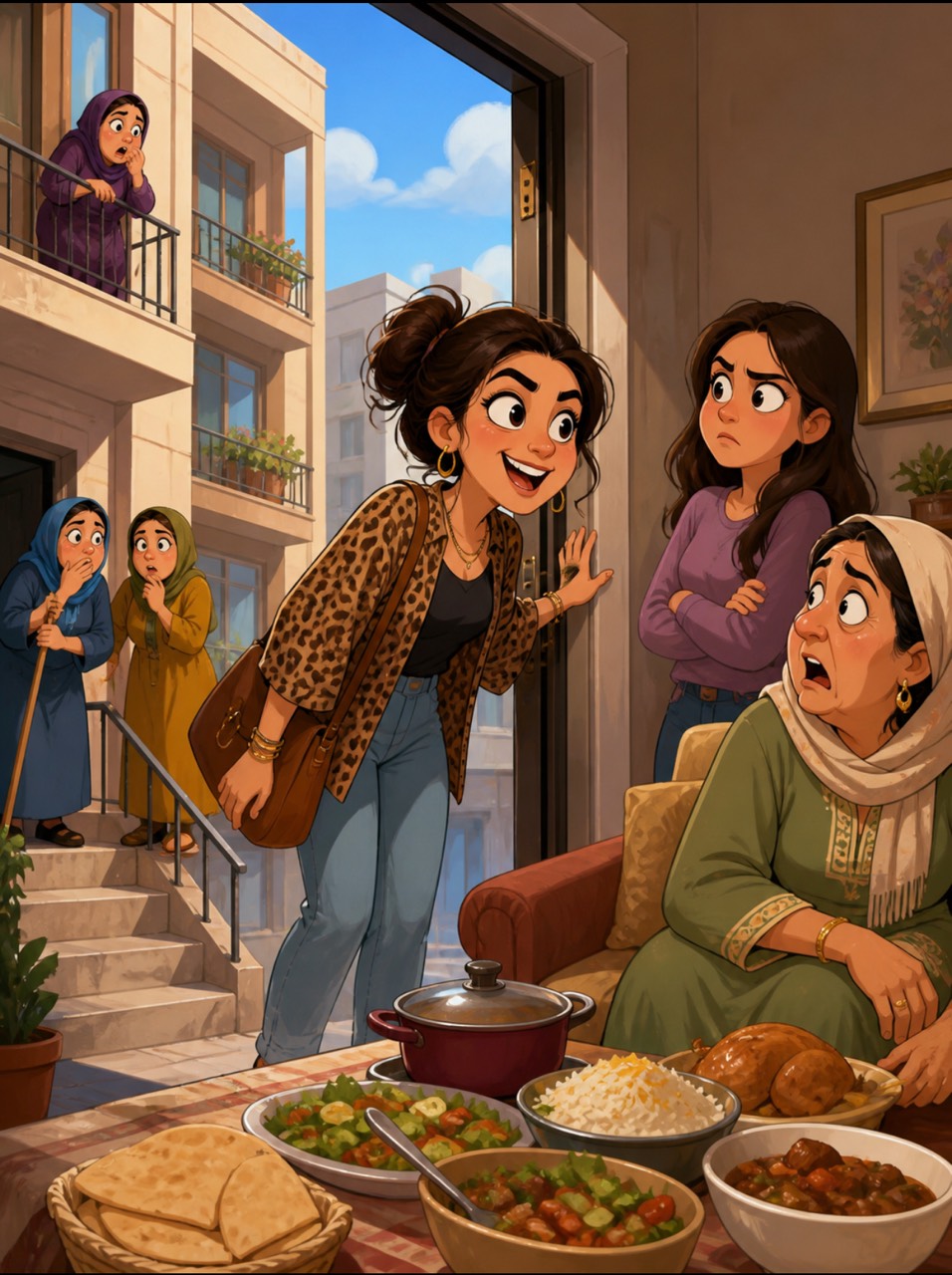
كان في بنت اسمها دينا، ساكنة بعمارة هادية، وكل الجيران محترمين مع بعض وبيعرفوا حدودهم. إجت جارة جديدة على العمارة، اسمها سمر. من أول يوم، تصرفاتها كانت غريبة. تدخل عالدرج بدون ما تسلّم، توقف تسمع حكي الناس، ومرات تفوت عند الجارات بدون ما تستأذن كأنه بيتها. مرة، دينا كانت قاعدة مع أمها، الباب كان نص مفتوح عشان الهوا… فجأة سمر فاتت وقالت: “شو في أكل؟ ريحته طالعة لبرّا!” الأم انصدمت، ودينا وقفت مش مصدقة. حكتلها: “لو سمحتي، ليش ما دقّيتي الباب قبل ما تفوتي.” ردّت بكل برود: “عادي… كلنا جيران!” و بعدها طلعت ولا كأنه صار إشي. بعدها بأيام، صارت تطلب أغراض من الجارات وما ترجعهم. وإذا حدا حكى معها، تقلبها مزح وتضحك. الكل صار متضايق، بس ساكتين. بيوم من الأيام، رجعت دخلت بدون استئذان، ودينا كانت لحالها. وقفت بوجهها وقالت: “في حدود لازم تنفاهم عليها.” سمر ضحكت وقالت: “ليش مكبّرة الموضوع؟” وقتها، أم دينا طلعت من المطبخ وقالت: “يا بنتي… زمان الناس كانت تستحي… هالأيام شكله اللي استحوا ماتوا.” سمر سكتت لأول مرة. حسّت إنه الكل شايف تصرفاتها غلط وإنها مش خفّة دم زي ما كانت مفكرة. المثل " اللي استحوا ماتوا" معناته الناس اللي عندها حياء وخجل اختفوا، وبقي ناس ما عندها حدود أو حياء و بتتصرف بوقاحة عادي
There was a girl named Dina who lived in a quiet apartment building, where all the neighbors were respectful and knew their boundaries. A new neighbor moved in—her name was Samar. From the very first day, her behavior was strange. She would enter the stairway without greeting anyone, stand around listening to people’s conversations, and sometimes even walk into neighbors’ homes without asking—like it was her own place. One time, Dina was sitting with her mother. The door was slightly open for fresh air… suddenly, Samar walked in and said: “What’s cooking? I can smell it from outside!” The mother was shocked, and Dina stood there in disbelief. She said: “Excuse me, why didn’t you knock before coming in?” Samar replied casually: “It’s fine… we’re all neighbors!” Then she left as if nothing had happened. A few days later, she started borrowing things from neighbors and never returning them. And if anyone confronted her, she would laugh it off like it was a joke. Everyone was annoyed, but they stayed silent. One day, she walked in again without permission, and Dina was alone. Dina stood up to her and said: “There are boundaries that need to be respected.” Samar laughed and said: “Why are you making such a big deal out of it?” At that moment, Dina’s mother came out of the kitchen and said: “My dear… in the past, people had shame… nowadays, it seems those who had shame are gone.” For the first time, Samar fell silent. She realized that everyone saw her behavior as wrong, and that it wasn’t “lighthearted” like she thought. The proverb “Those who had shame are gone” means: People who had modesty and respect have disappeared, leaving behind those who act without boundaries or embarrassment.