
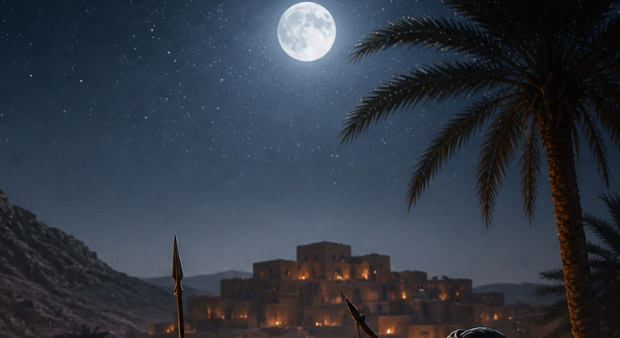
الهجرة وخوف قريش من هجرة النبي عليه السلام
جاء أبو بكر الصديق رضي الله عنه ، يستأذن النبي أن يلحق بإخوانه المهاجرين …فقال له النبي صلى الله عليه وسلم :_ على {{ رسلك }} (على مهلك) أبا بكر .. فإني أرجو أن يأذن لي (يقصد أنه ينتظر أن يسمح له الله) هاجر أصحاب النبي صلى الله عليه وسلم هاجر حمزة أسد الله وأسد رسوله هاجر عمر بن الخطاب الفاروق المؤيد بالحق من فوق سبع سماوات وهاجر الرجال ، الذين كان من الممكن أن يعتمد عليهم النبي لحمايته ولم يؤخر منهم أحد ولكن لماذا اختار النبي عليه السلام أبو بكر ليهاجر معه؟ تكريماً لأبي بكر ، لكي ينال شرف صحبته الشريفة و لأنه يعلم أنه سيكون خليفته هو الوحيد بين كل الصحابة ، مهاجرين و {{ أنصار }} (أي الذين نصروه) أبو بكر ذُكِرَ بالقرآن الكريم تكريماً ، ومعه معية الله قال تعالى {{ إِلَّا تَنْصُرُوهُ فَقَدْ نَصَرَهُ اللَّهُ إِذْ أَخْرَجَهُ الَّذِينَ كَفَرُوا ثَانِيَ اثْنَيْنِ إِذْ هُمَا فِي الْغَارِ إِذْ يَقُولُ لِصَاحِبِهِ لَا تَحْزَنْ إِنَّ اللَّهَ مَعَنَا }} فنال ابو بكر شرف الصحبة مع الله ورسوله [[ الله عزوجل ، ومحمد رسول الله ، وأبو بكر ]] نحن المسلمون نؤمن ١_بأن الله عزوجل ، هو خالقنا ورازقنا ، لا معبود سواه ، هو واحد أحد ، فرد صمد ، لا نعبد سواه ، ولا ندعوا غيره ، ولا نشرك بعبادته أحد من خلقه على الإطلاق ٢_ نبينا محمد رسول الله صلى الله عليه وسلم هو رسول الله وعبده المُكَرَّم …خلقه من آدم ، وآدم من تراب … نحبه ونوقره ، ونتبع سنته ، ونقتدي بأخلاقه ، بغيت أن تدركنا شفاعته يوم القيامة ، فهو حبيب الله الذي لا يُرفض له طلب عند الله ٣_ بعد رسول الله صلى الله عليه وسلم ، ابوبكر الصديق رضي الله عنه وارضاه ….الذي قال عنه صلى الله عليه وسلم ، ليبين منزلته لهذا الأمة {{ ما لأحد عندنا يد إلا وقد كافأناه …ما خلا (ما عدا/إلّا) أبا بكر (وهذا يعني أنّ كل من قدّم معروفاً ، استطاع محمد عليه السلام مكافئته وزيادة على قدر معروفه… إلا ابو بكر ففضله ومعروفه عظيم فلا يستطيع مكافئته إلا الله) رضي الله عنه وارضاه {{ ثَانِيَ اثْنَيْنِ إِذْ هُمَا فِي الْغَارِ إِذْ يَقُولُ لِصَاحِبِهِ لَا تَحْزَنْ إِنَّ اللَّهَ مَعَنَا }} قال ابو بكر :_ بأبي أنت وأمي أترجو ذلك ؟؟ قال :_ نعم فأشار إليه النبي برأسه __ أن نعم فحبس (منع) نفسه عن الهجرة ، لكي يصحب النبي صلى الله عليه وسلم لم يستعجل أبو بكر النبي الهجرة.. بل انتظر حتى يأذن الله لهما ومازال النبي ينتظر هاجر أصحابه وبقي من أصحاب النبي أبو بكر وعلي بن أبي طالب وكان علي رضي الله عنه ، فتى عمره يقارب ٢٢ عام وابو بكر ٥١ عام وكان عمر النبي صلى الله عليه وسلم ٥٣ عام هاجر كل المسلمين، ولم يبق بمكة الا الرسول صلى الله عليه وسلم وعائلته وابو بكر وعائلته ، وعلي رضي الله عنه كان ينتظر صلى الله عليه وسلم ، أن يطمئن على هجرة كل المسلمين ثم يهاجر بعد ذلك علمت قريش أن أصحابه قد هاجروا وأن يثرب أصبحت دار إسلام وكل أهل المدينة ينتظرون قدوم النبي إليها .. فجن جنونها لماذا جن جنون قريش ؟!! لأن هجرته أمر خطير جداً ، لأن لو هاجر النبي صلى الله عليه وسلم ليثرب (المدينة المنورة ) فهذا يعني هو بداية دولة اسلامية في المدينة وهم يعلمون ان النبي صلى الله عليه وسلم ، إذا اصبح لديه دولة اسلامية ، لن يترك مكة تحت حكم قريش والسبب الثاني أنّ قريش تعلم أن المدينة موقعها استراتيجي لأن المدينة تقع بين مكة والشام وهو طريق تجارة قريش، وتجارة قريش هي مصدر أموالها، وقريش كل قوتها بالمال ، والمال يأتي من تجارتها ، فإذا قطع عليهم اهل يثرب تجارتهم ، ضاعت قريش كلها فاجتمع قريش والعرب كلهم ليمكروا مكرهم حيث التقوا بما يُسمّى مؤتمر حتى يخططوا ويتفقوا على حل يمنع الرسول عليه السلام من الهجرة وما سوف يبنى عليها من تأسيس دولة إسلامية في المدينة (يثرب)
Migration – Quraysh’s Fear of the Prophet’s Migration Abu Bakr al-Siddiq (may God be pleased with him) came to ask the Prophet for permission to join the emigrants. The Prophet said to him: “Take it easy, Abu Bakr… I hope that I will be given permission (from God).” The companions of the Prophet migrated: Hamza, known as the Lion of God and the Lion of His Messenger, migrated. Umar ibn al-Khattab, the one distinguished by truth, migrated. Many strong men—those the Prophet could have relied on for protection—also migrated, and he did not delay any of them. So why did the Prophet choose Abu Bakr to accompany him? It was an honor for Abu Bakr, so he could gain the distinction of being his companion. Also, the Prophet knew that Abu Bakr would be his successor. Among all the companions—both the emigrants and the supporters—Abu Bakr is the only one mentioned in the Qur’an as an honor, with God’s companionship mentioned alongside him: “If you do not support him, God has already supported him when those who disbelieved drove him out, as one of two, when they were in the cave, and he said to his companion: ‘Do not be sad; indeed, God is with us.’” Thus, Abu Bakr attained the honor of companionship with God and His Messenger. Muslims believe: 1. God alone is the Creator and Provider, the only one worthy of worship. 2. Muhammad is the Messenger of God, honored and beloved; we follow his example and hope for his intercession. 3. After the Messenger of God, Abu Bakr holds a special rank. The Prophet said about him that no one had done him a favor except that he repaid it—except Abu Bakr, whose virtue is so great that only God can reward him. When Abu Bakr heard the Prophet say he hoped to be given permission, he asked: “May my parents be sacrificed for you—do you really hope for that?” The Prophet replied: “Yes.” So Abu Bakr held himself back from migrating, waiting to accompany the Prophet. He did not rush him, but waited for God’s permission. Meanwhile, the Prophet continued to wait. Most of his companions had already migrated. Only a few remained in Mecca: the Prophet himself, Abu Bakr and his family, and Ali ibn Abi Talib, who was around 22 years old at the time. Abu Bakr was about 51, and the Prophet was about 53. The Prophet wanted to ensure all Muslims had safely migrated before leaving himself. When Quraysh realized that the companions had left and that Yathrib (later known as Madinah) had become a center for Islam—and that its people were awaiting the Prophet’s arrival—they became extremely alarmed. Why? Because his migration would mark the beginning of an Islamic state in Madinah. They knew that once the Prophet had a strong base there, he would not leave Mecca under Quraysh’s control. There was also another critical reason: Madinah was strategically located on the trade route between Mecca and the Levant. Quraysh’s wealth and power depended on trade. If the people of Madinah blocked that route, Quraysh’s economy would collapse. So Quraysh gathered with other Arab tribes in a council, plotting and planning how to stop the Prophet from migrating—and to prevent the establishment of a new Islamic state in Madinah.