
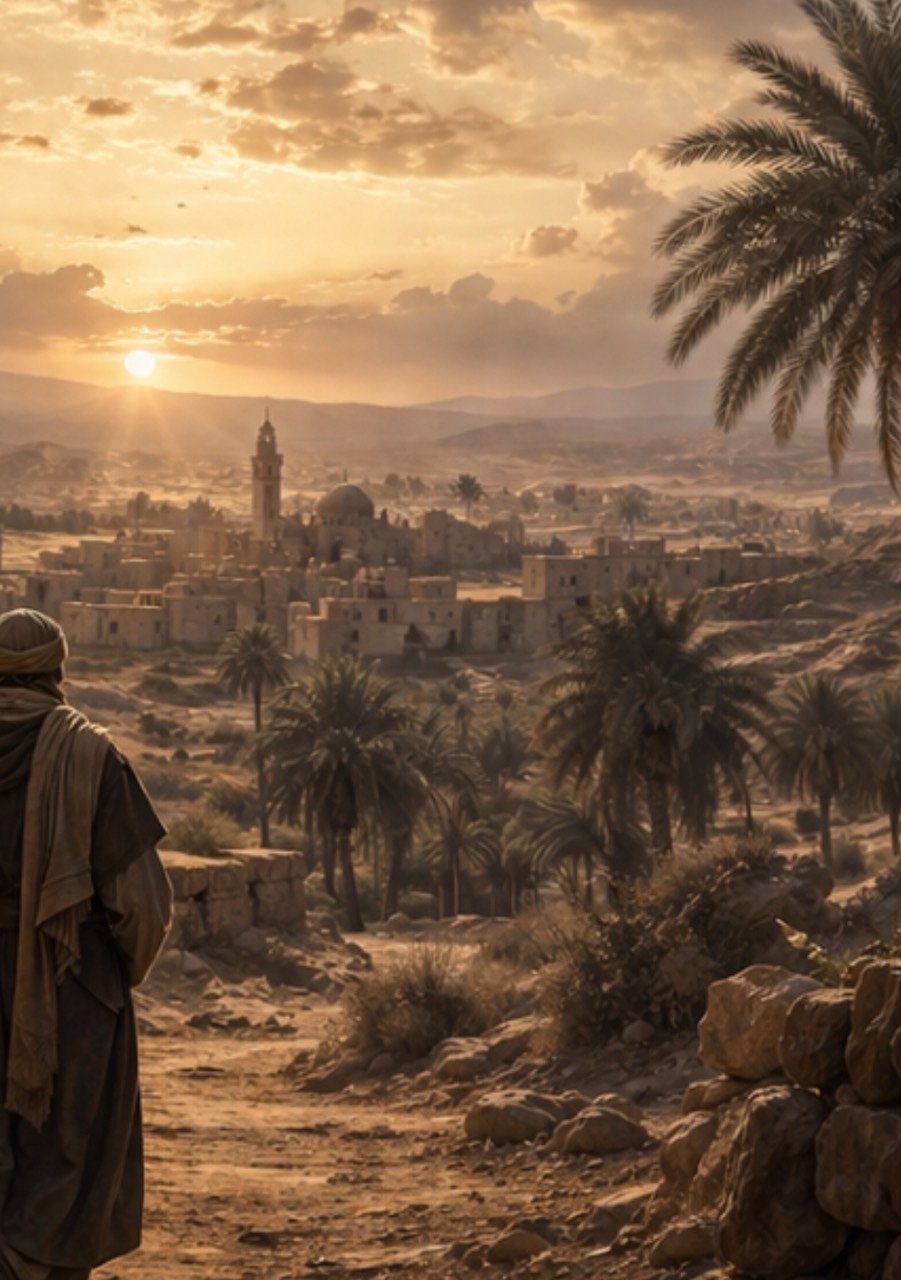
الهجرة من مكة إلى المدينة / عمر بن الخطاب رضي الله عنه
يقول الإمام البخاري ومسلم في الصحيح ، من حديث علي بن أبي طالب قال :_ ما هاجر أحد جهاراً نهاراً إلا عمر ، وقد أخذ الناس يتسللون تسلل خَشية أن تمنعهم قريش … ولقد مَنعت قريش حقًا من قَدِرَت عليه ... إلا عمر يقول علي بن أبي طالب :_ عندما أراد عمر الهجرة تنكّب قوسه ..وتوشح سيفه ..وأمسك بيده الأسهم ثم تَخَنْصَر بعنزة ( أي وضع عصا يكون في رأسها حديدة على خاصرته) ثم أتى وضح النهار ، وقد إرتفعت الشمس ، وقريش في أنديتها وطاف في البيت سبعة … كان طوافه طواف متمكن لا يلتفت إلى أحد حتى إذا فرغ (أنهى الطواف) ركع في المقام ركعتين ، صلاة مطمئن لا يلتفت إلى أحد ثم وقف وإستقبل أندية قريش بوجهه وإقترب منها واثق الخطوة ، ثم وقف عمر على أندية قريش وقال :_ شاهت الوجوه ( يعني قبحها الله )و الله لا يرغم الله إلا هذه المعاطس( أي الأنوف يرغمها أي يدسها بالتراب مخزيه) قال عمر: "يا معشر قريش إني راحل إلى يثرب ( أي مهاجر ) فمن أراد منكم أن تثكله أمه أو ترمله زوجته أو ييتمه أولاده فليتبعني إلى بطن هذا الوادي يقول علي بن أبي طالب :_ فوالله ما تحرك قريشي من مجلسه ثم قال :_ يا معشر المستضعفين ( المسلمين الضعفاء )..من أراد أن يصحبني إلى الهجرة فليتبع قال :_ فصحبه رهط فوالله ما تجرئ قريشي أن يرد مستضعف خوفاً من عمر فكان مع عمر رضي الله عنه ، من المسلمين المستضعفين ( بعضهم يقول ١٧ مهاجر والبعض الآخر يقول ٢٧ خرجوا مع عمر ، فهاجر عمر علناً وقد يتسآئل البعض لماذا هاجر عمر علنًا بينما هاجر النبي سرًا ويجلس في غار ثور ثلاثة أيام….وهنا درس يجب ان نقف عنده كما قال تعالى {{ لَّقَدْ كَانَ لَكُمْ فِي رَسُولِ اللَّهِ أُسْوَةٌ حَسَنَةٌ لِّمَن كَانَ يَرْجُو اللَّهَ وَالْيَوْمَ الْآخِرَ وَذَكَرَ اللَّهَ كَثِيرًا }} فهو الأسوة الحسنة وسيرته فلو هاجر النبي علناً لأصبح من المستحب ، أو الواجب على جميع المؤمنين ، أن يقتدوا بنبيهم ويعتمدوا على الله بغير الأخذ بالأسباب ويهاجروا علناً ، ولا يخافوا من قريش وهذا لا يناسب الكثير من الصحابة المستضعفين ويمكن أن يلحق بهم الضرر أما عمر رضي الله عنه ..لم يضع الله عمر أسوة للمؤمنين في حياة رسول الله لكنه وضع النبي في هذا المنصب فعمر تصرفه يمثل نفسه ، لا يلزم الآخرين الإقتداء به أما النبي فهو مُشَرِّع وقدوة لذا هاجر عمر علناً ،وهاجر صلى الله عليه وسلم سراً …حيث أخذ الرسول عليه السلام بالأسباب والحيطة رفقاً ورحمة بالمستضعفين من أمته الله أمرنا بأن نعقل ونتوكل …حيث جاء رجل إلى رسول الله من الأعراب ( البدو ) ووقف عند الخيمة وأمسك البعير وصاح يا رسول الله .. أأعقلها .. أم أتوكل ؟؟ (يسأل الرسول أن يربط رجل الجمل بالحبل وإلا يتركها ويتوكل على الله) فقال صلى الله عليه وسلم له {{ أعقلها وتوكل }} يعني الإثنين مع بعض خذ بالأسباب وتوكل على الله .
Migration from Mecca to Medina – Umar ibn al-Khattab (may God be pleased with him) According to authentic narrations reported by Al-Bukhari and Muslim ibn al-Hajjaj, from the account of Ali ibn Abi Talib: No one migrated publicly in broad daylight except Umar. While others were leaving secretly out of fear that Quraysh might stop them—and indeed Quraysh did prevent those they could—Umar was different. When Umar decided to migrate, he prepared himself fully: he slung his bow over his shoulder, strapped on his sword, carried his arrows, and held a spear at his side. Then he went out at midday, when the sun was high and Quraysh leaders were gathered in their meeting places. He circumambulated the Kaaba seven times calmly and confidently, not looking at anyone. After finishing, he prayed two units of prayer near the Station of Abraham, peacefully and without fear. Then he turned toward the leaders of Quraysh, walked firmly toward them, and said: “May these faces be disgraced! By God, nothing will be humbled except these noses.” Then he declared openly: “O people of Quraysh, I am migrating to Yathrib (Medina). Whoever wants his mother to lose him, his wife to become a widow, or his children to become orphans—let him meet me behind this valley.” Ali ibn Abi Talib said: “By God, not a single man from Quraysh moved from his place.” Then Umar called out to the oppressed Muslims: “Whoever wishes to migrate, let him follow me.” A group of them joined him—some reports say 17, others say 27—and they migrated openly with him. No one from Quraysh dared to stop them out of fear of Umar. Why did Umar migrate openly while the Prophet migrated secretly? This raises an important lesson. God says in the Quran that the Prophet is the perfect example to follow. If Prophet Muhammad had migrated openly, it would have become expected—or even obligatory—for all believers to do the same. That could have exposed weaker Muslims to serious harm. But Umar was not the universal example for all believers in the way the Prophet was. His actions represented his own strength and courage, not a rule for everyone. The Prophet’s migration was done secretly, with careful planning—staying in the Cave of Thawr for three days—demonstrating wisdom, strategy, and mercy toward the vulnerable. The key lesson: Balance between trust and action Islam teaches both reliance on God and taking practical steps. A Bedouin once asked the Prophet: “Should I tie my camel or trust in God?” The Prophet replied: “Tie it and trust in God.” This means: Take the necessary precautions, and at the same time, place your trust in God.