
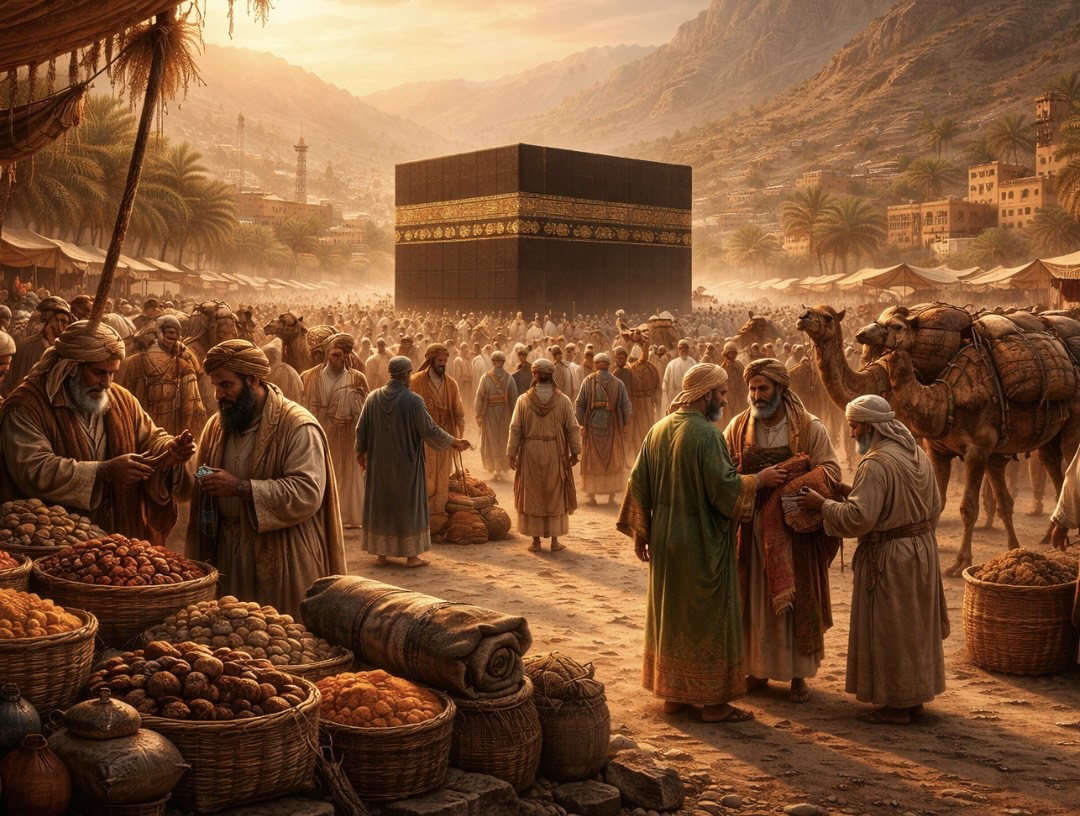
قرار الهجرة
بعد ما أخبر النبي صلى الله عليه وسلم قريش برحلة الإسراء .. وطلبوا منه أن يصف لهم المسجد الأقصى ، ووافق (طابق) وصفه للمسجد ، ثم طلبوا منه أن يخبرهم عن قافلتهم القادمة من الشام .. فوافق (طابق) كلامه عن القافلة كل الوصف .. فما كان من أبوجهل وهو مُمَثِّل (أحد قادتها) لقريش إلا أن قال " أشهد يا محمد أنك ساحر" هذا العام كان العام العاشر للبعثة (بعثة محمد عليه السلام كرسول من الله ) ، أطلق عليه عام الحزن عشرة اعوام وكل يوم استهزاء بدعوته وأذى في الطريق وفي السوق وعند الكعبة وتعب نفسي وحصار ....الخ وأيضا في هذا العام فقد النبي صلى الله عليه وسلم عمه ابو طالب الذي كان يوفر له الحماية من بطش (أذى) قريش و زوجته السيدة خديجة رضي الله عنها التي كان يأوي إليها اشتد جداً إيذاء قريش للرسول صلى الله عليه وسلم حتى قال : ما نالت منى قريش شيئًا أكرهه حتى مات أبو طالب في هذا الوقت بدأ النبي صلى الله عليه وسلم ، يفكر في الهجرة من مكة يجب ان يترك مكة ، هو والمسلمون ، ويذهبوا الى مدينة اخرى تكون عاصمة دولتهم ، ومركز للدعوة الى الله اصبح الوضع في مكة صعب جداً لا أحد من أهل مكة يريد أن يدخل في الاسلام ومن يدخل في الاسلام يكتم ايمانه خوفاً من بطش قريش وبلغ ايذاء المسلمين ، وايذاء الرسول صلى الله عليه وسلم ذروته حتى استطاعت قريش ، تشويه صورة النبي صلى الله عليه وسلم في مكة وخارج مكة حتى أن الحال في مكة وصل إلى أن النبي صلى الله عليه وسلم كان يمشي ، فرأى أمرأة عجوز تحمل حزمة حطب ، وهي متعبة ، تمشي قليلاً ثم تقف ، والعرق يتصبب منها فما كان منه صلى الله عليه وسلم ، إلا أن أتجه إليها وحمل عنها الحطب ومشى وهي تمشي ورائه ، وفي الطريق قالت له هذه العجوز :_ يا بني ليس عندي ما أكافئك به إلا أن أقدم لك نصيحة !!!وكانت النصيحة في تلك الأيام كنز ثمين، حيث كان الرجل اذا كان في سفر ، فيأتي رجل إليه يقول اقدم لك نصيحة وتعطيني ناقة ، فيقول له أجل ، فيقول له لا تذهب من هذا الطريق لان فيه كذا وكذا ، اذهب من ذلك الطريق ، ولذلك يقال في ايامنا كانت "النصيحة بجمل " وعندما وصلا (العجوز ونبي الله محمد عليه السلام) نصحته وقالت: يا بني ليس عندي ما أكافئك به إلا أن أقدم لك نصيحة قال :_ ما هي ؟؟ قالت العجوز :_ هناك في مكة رجل سيء الخلق اسمه "محمد بن عبد الله " يفتن الناس ويسحرهم…أياك ان تقترب منه و لا تستمع اليه فلما وصلا الى بيتها قالت له: _ما اسمك ؟ فابتسم لها النبي صلى الله عليه وسلم وقال:_ " محمد بن عبد الله " فذهلت قالت له:_ أأنت هو ، هو ؟ !!!! قال: نعم أنا هو قالت العجوز :_ انت الذي تدّعي انك رسول من عند الله !!! قال :_ نعم فأنا رسول الله قالت :_ أشهد أنك لصادق و أشهد أن لا إله إلا الله وأنك يامحمد رسول الله فأسلمت تلك العجوز ولم تكتفِ قريش بإيذاء الرسول في مكة فقط، بل خارجها أيضا حيث كانت قريش تمنع الرسول صلى الله عليه وسلم من ايصال دعوته خارج مكة فكان اذا جاء أحد من خارج مكة كانت قريش تحذره من الرسول وتقول :_ هناك رجل ساحر اسمه " محمد بن عبد الله " إذا سمعت كلامه يسحرك ، ويفرق بينك وبين قومك وبين أبيك وزوجتك حتى انه جاء الى مكة سيد من سادة قبيلة {{ دوس }} اسمه (عمرو بن طفيل )، فأخذوا يحذرونه من الرسول صلى الله عليه وسلم اياك ان تقترب منه ، اياك ان تكلمه ، اياك ان تسمع كلامه حتى حشى (عمرو بن الطفيل) في أذنيه القطن خوفاً من أن يسمع كلام الرسول صلى الله عليه وسلم ، فيسحره كلامه وانتشر هذا الأمر في الجزيرة كلها حتى وصل الأمر أنه كان اذا أراد الرجل ، أن يسافر الى مكة من أي مكان في الجزيرة ، كان قومه يحذرونه من النبي صلى الله عليه وسلم يقولون له :_ " احذر غلام قريش لا يفتننك " ضاق الأمر …ضاقت فلما استحكمت حلقاتها فرجت ، وكنت أظنها لا تفرجُ عند ذلك قرر النبي صلى الله عليه وسلم ، ترك مكة ، والهجرة منها فالوقت يمر ، ومرت عشرة سنوات منذ بداية البعثة، والاسلام لا يتحرك أو أن الحركة أصبحت بطيئة جدا الرسول يريد ان يبلغ الاسلام ، ليس لاهل مكة فقط ، بل للناس كافة للإنس والجن وهذه مهمة ليست بالسهلة ابداً ابداً ابدا فقرر النبي صلى الله عليه وسلم ان يعرض الاسلام ، على رؤساء القبائل خارج مكة في موسم الحج والمواسم التجارية وكانت كل قبائل العرب تأتي الى مكة في موسم الحج، فكان النبي صلى الله عليه وسلم ينتهز ، هذه الفرصة في عرض الاسلام على تلك القبائل وكانت هناك اسواق معروفة للعرب ثابته ، يأتيها كل العرب من كل انحاء الجزيرة العربية ، وفيها سلع مختلفة فكان صلى الله عليه وسلم ، يذهب أيضا الى هذه الأسواق حتى يلتقي بالعرب من كل أنحاء الجزيرة كان يقف في الاسواق يقول :_ من رجل يحملني الى قومه فيمنعني حتى أبلغ رسالة ربي، فإن قريشاً قد منعوني أن ابلغ رسالة ربي ؟ وكان طلبه من هذه القبائل واضح وهو الإيواء ، والنصرة ، حتى يبلغ كلام الله حتى في يوم من الأيام وقف صلى الله عليه وسلم وقال " يا أيها الناس قولوا لا إله إلا الله تفلحوا " فما كان منهم إلا أن كذّبوه و أذوه نفسيًا وجسديًا بكل الطرق الممكنة فأقبلت ابنته زينب رضي الله عنها وارضاها ، ومعها الماء فغسل وجهه ويديه ، وهو ينظر الى الدمعة في عينيها من حزنها على ابيها صلى الله عليه وسلم قال :_ يا بنية لا تخشي على أبيك غلبة ولا ذلة يصبرها فالأب لا يتحمل دمعة من بنته صلى الله عليه وسلم كم تحمل صلى الله عليه وسلم من أذى! حرب إعلامية في كل الجزيرة العربية ورفض القبائل لدعوته ، ورفض عنيف وأذى نفسي وجسدي بكل الطرق وكان الرسول صلى الله عليه وسلم يخرج لمقابلة تلك القبائل سرا في الليل، أو أن يذهب ويسافر الى تلك القبائل في أماكنهم، كما فعل مع الطائف حتى أن المفاوضات مع قبيلة ( بني عامر ) كادت ستنجح وهذه القبيلة كانت من اكبر خمسة قبائل في الجزيرة ذهب إليهم النبي صلى الله عليه وسلم وعرض عليهم دعوة الاسلام فقال رجل منهم اسمه {{ بيحرة بن فراس }} بعدما سمع كلام النبي صلى الله عليه وسلم وأُعجب بكلامه قال لقومه والنبي جالس بينهم :_ والله لو
The Prophetic Biography – The Decision to Migrate After the Prophet (peace and blessings be upon him) informed Quraysh about the Night Journey, they asked him to describe Al-Aqsa Mosque. His description matched it perfectly. Then they asked him about their returning caravan from Levant, and again, everything he said proved accurate. Yet despite all this, Abu Jahl—one of the leaders of Quraysh—responded by saying: “I testify, O Muhammad, that you are a magician.” The Year of Sorrow This was the tenth year after the beginning of his mission. It became known as the Year of Sorrow. For ten years, the Prophet endured daily mockery, harm in the streets, in the shops, near the Ka‘bah, psychological hardship, and even a boycott. In that same year, he lost two of his greatest supports: * His uncle, Abu Talib, who protected him from Quraysh * His wife, Khadijah (may God be pleased with her), who was his comfort and support After their deaths, the persecution from Quraysh intensified severely. The Prophet said: “Quraysh never harmed me as much as they did after Abu Talib died.” The Situation in Mecca At this point, the Prophet began thinking seriously about leaving Mecca. The situation had become extremely difficult: * Very few people were accepting Islam * Those who did accept it hid their faith out of fear * The persecution reached its peak * Quraysh had even succeeded in spreading false propaganda about him inside and outside Mecca A Powerful Example One day, the Prophet saw an elderly woman struggling to carry a bundle of firewood. She would walk a little, then stop from exhaustion. He approached her and carried the load for her. As they walked, she said: “My son, I have nothing to reward you with except a piece of advice.” (In those days, advice was considered extremely valuable—people would even exchange valuable goods for sincere guidance.) When they reached her home, she said: “There is a man in Mecca named Muhammad ibn Abdullah. He is a dangerous man who bewilders people. Beware of him—do not go near him or listen to him.” The Prophet smiled and said: “My name is Muhammad ibn Abdullah.” She was shocked and said: “Are you him?!” He said: “Yes.” She said: “You are the one who claims to be a messenger from God?” He replied: “Yes.” She said: “I testify that you are truthful. I bear witness that there is no god but God, and that you are the Messenger of God.” And she accepted Islam. Propaganda Against Him Quraysh did not limit their efforts to Mecca—they also blocked his message outside it. Whenever someone came to Mecca, they would warn them: “There is a man named Muhammad—he is a sorcerer. If you listen to him, he will separate you from your family.” This became so widespread that people traveling to Mecca were warned in advance: “Beware of the young man of Quraysh—do not let him influence you.” Turning Point The situation became extremely tight—yet relief was near. At that point, the Prophet decided to leave Mecca and seek a new place where Islam could grow. Ten years had passed, and the message was not spreading as it should. His mission was not limited to Mecca—it was meant for all humanity. Reaching Out to Tribes The Prophet began presenting Islam to the leaders of tribes outside Mecca, especially during pilgrimage and trade seasons when tribes gathered. He would say: “Who will take me to his people and protect me so I can deliver the message of my Lord? Quraysh has prevented me from doing so.” His request was clear: * Protection * Support * A safe place to spread the message Rejection and Hardship One day, he stood and called out: “O people, say: ‘There is no god but God,’ and you will succeed.” But they rejected him and harmed him both physically and emotionally. His daughter Zaynab came to him with water, washing his face while tears filled her eyes. He comforted her, saying: “My daughter, do not fear for your father—he will not be overcome or humiliated.” Despite everything, he remained patient. Negotiations with Tribes The Prophet would sometimes meet tribes secretly at night or travel to them, as he did with Ta’if. The Tribe of Banu Amir He presented Islam to them. One of their men said: “If I take this young man, I could dominate all the Arabs with him.” Then he asked: “If we support you and God gives you victory, will we have authority after you?” The Prophet replied: “Authority belongs to God. He grants it to whom He wills.” They refused, saying: “Should we risk our lives for you, only for others to rule afterward? We have no need for this.” The Prophet rejected them, despite their strength, because their intention was power—not truth. The Tribe of Shayban The Prophet, accompanied by Abu Bakr and Ali, met a noble group from this tribe. They were dignified and respected. Abu Bakr asked about their strength and numbers. They responded with confidence, describing their bravery and readiness for battle. Then they asked the Prophet: “What do you ask us to?” He replied: “I call you to worship God alone without partners, and to believe that I am His Messenger. I ask you to protect and support me so I may convey God’s message.” They were impressed and said: “You call to noble character and righteous deeds.” However, their leaders explained that they could not make such a decision without consulting their people, and that their political situation—especially their proximity to powerful empires—made it difficult to offer full support. One of them said: “If you wish, we can support you in matters within Arab lands.” The Prophet appreciated their honesty but replied: “God’s religion will only be supported by those who protect it from all sides.” A Glimpse of the Future Despite their hesitation, the Prophet gave them glad tidings: “If you remain patient, God may grant you their lands, their homes, and their wealth.” And indeed, this later came true. Conclusion The situation of the Tribe of Shayban was respectful and thoughtful. They showed appreciation and offered partial support, but not full commitment. At this stage, the Prophet continued searching— for a people who would not only believe in the message, but fully support it and carry it forward. And soon, that turning point would come