
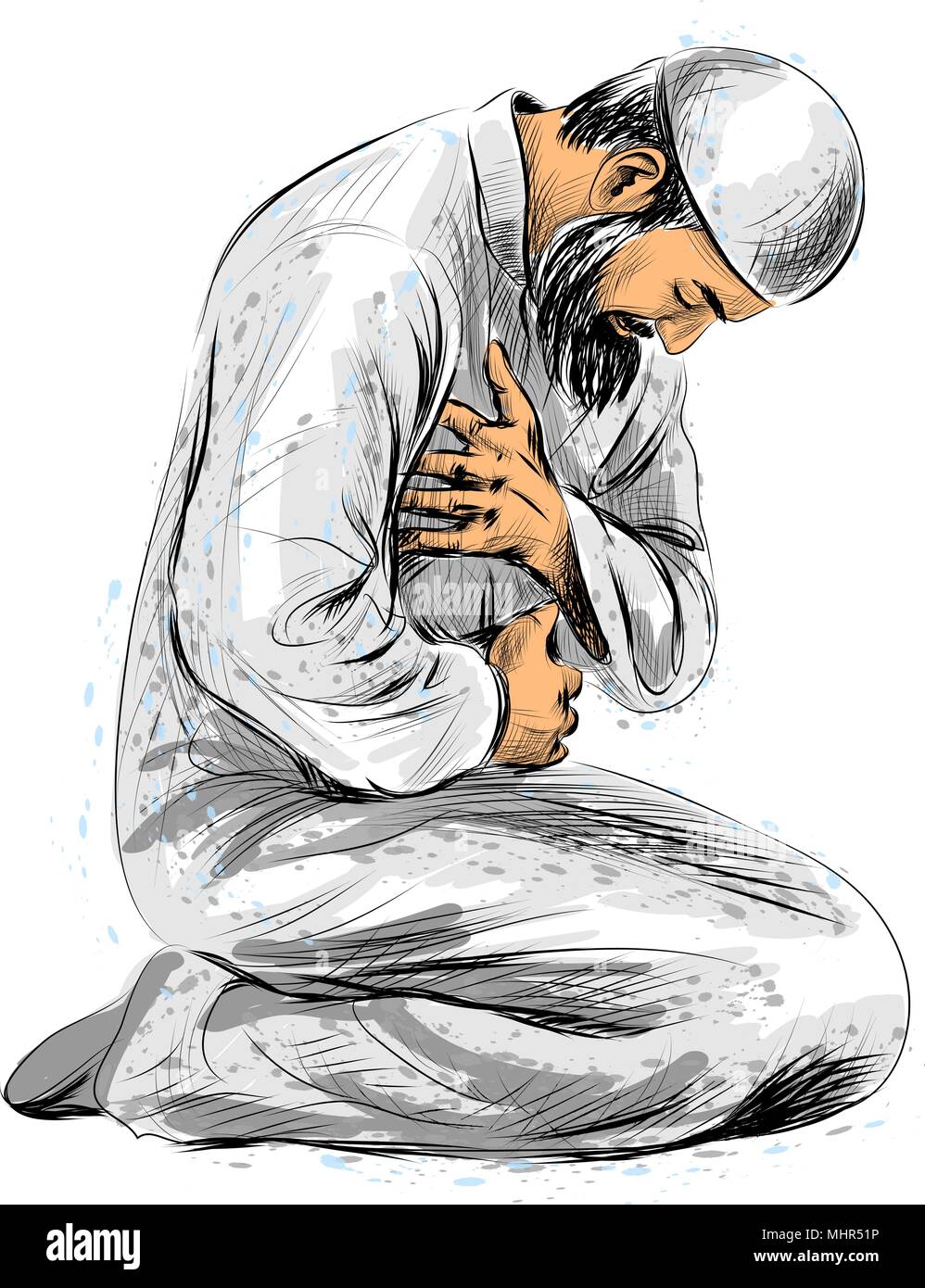
تحديد أوقات الصلاة
عندما فُرِضَت الصلاة لم تحدد كم ركعة ، ولم تحدد أوقاتها ولا متى يصليها ؟؟ ولا كم ركعة لكل صلاة ؟؟ فجاء جبريل في اليوم الثاني عندما زالت الشمس عن كبد السماء قليلا [[ عندما تصير الشمس في وسط السماء يسمى وقت الإستواء ….يكون لا ظل لشيء على الأرض ظل كل شيء تحته لأن الشمس عامودية]] قال :_ يا محمد قم فصلي فتوضأ النبي صلى الله عليه وسلم وصلى به جبريل إمام [[ للتعليم ]] وعلمه أن هذا الوقت وقت الظهر أربع ركعات ثم مضى حتى إذا أصبح ظِلُّ كل شيء مثله جاء جبريل وقال له قم فصلي .. فصلى به أربع ركعات وقال له :_ هذا وقت العصر أربع ركعات ثم مضى حتى إذا أصبح قرص الشمس يميل إلى الغروب( وقت الغروب) فجاء إليه جبريل وقال له :_قم فصلي يا محمد وصلى به 3 ركعات وقال له جبريل :_ هذا وقت المغرب يا محمد ثم ذهب حتى إذا غاب الشفق وبدأت العتمة جاء فصلى به العشاء أربع ركعات ثم مضى حتى إذا كان الفجر جاءه جبريل ، وأيقظه قال:_ قم فصلي فصلى به الفجر ركعتين ثم ذهب في اليوم الثاني لم يأتي جبريل ، وكان النبي صلى الله عليه وسلم ينتظره وقت الظهر وقبل العصر ، جاء جبريل ، فصلى به الظهر [[ لكي يعلمه ، كم معك مدة من الوقت لكل صلاة ]] ثم ذهب حتى كادت الشمس أن تسقط قبل الغروب بقليل وقت الإصفرار جاءه فقال له :_ قم فصلي وصلى به العصر فلما غابت الشمس تماماً جاء فصلى به المغرب [[ وعلمه أن المغرب وقته واحد ]] ثم ذهب حتى مضى ثلث الليل الأول وقارب على النصف جاءه وصلى به العشاء ثم ذهب حتى إذا كان الفجر، لم يأتي جبريل حتى أسفر الضوء ، وأصبح الرجل يقول للرجل أصبحت ولكن قبل شروق الشمس [[ يسمى الإسفار لأن النور قد أسفر عن الظلمة وصار الواحد يعرف ما يرى ]] فجاء وصلى به الفجر وقال جبريل ، للنبي صلى الله عليه وسلم يا محمد :__ {{ هذا وقتك ووقت أمتك وبين الوقتين لك وقت }} فتعلم الصحابة أوقات الصلاة دون الحاجة إلى ساعة التوقيت أما اليوم لا داعي لمعرفة وقت الصلاة بالنسبة إلى الظل والقياس حيث أنّ الوقت إذا رُفِع الآذان ، ومالم يأتي الآذان الثاني ، معك وقت إلا في صلاة الفجر فإذا أشرقت الشمس ضاع وقت الفجر وهكذا إكتملت أوقات الصلاة ، وموعدها ، ووقتها ، وكم ركعة لكل صلاة
The Prophetic Biography: Determining the Times of Prayer When the prayer was first prescribed, the number of units was not specified, nor were the prayer times defined. It was not clear when each prayer should be performed or how many units each prayer contained. On the second day, the Angel Gabriel came when the sun had slightly passed its highest point in the sky—this moment is known as when the sun is at its zenith, when objects cast almost no shadow because the sun is directly overhead. He said: “O Muhammad, rise and pray.” The Prophet (peace be upon him) performed ablution, and Gabriel led him in prayer as an imam for the purpose of teaching him. He showed him that this was the time for the noon prayer, consisting of four units. Then he departed. When the shadow of everything became equal to its length, Gabriel returned and said: “Rise and pray.” He led him in a four-unit prayer and said: “This is the time for the afternoon prayer.” Then he left. When the disk of the sun began to incline toward sunset, Gabriel came again and said: “Rise and pray, O Muhammad.” He led him in a three-unit prayer and said: “This is the time for the sunset prayer.” Then he departed. When the twilight disappeared and darkness set in, Gabriel returned and led him in the night prayer of four units. Then he left. At dawn, Gabriel came to him, woke him, and said: “Rise and pray.” He led him in a two-unit prayer and then departed. On the following day, Gabriel did not come at the usual time for the noon prayer, and the Prophet (peace be upon him) waited. Shortly before the time of the afternoon prayer, Gabriel came and led him in the noon prayer—so as to teach him the span of time available for each prayer. Then he left. When the sun was about to set and its light had begun to turn yellow, Gabriel came again and said: “Rise and pray.” He led him in the afternoon prayer. When the sun had completely set, Gabriel came and led him in the sunset prayer—teaching that the sunset prayer has a single, fixed time. Then he departed. After the first third of the night had passed and it approached the middle of the night, Gabriel came and led him in the night prayer. Then he left. At dawn, Gabriel did not come immediately. He delayed until the light spread widely and people could clearly see one another—just before sunrise. This stage is known as the brightening of dawn, when light fully overcomes the darkness. Then he came and led him in the dawn prayer. Then Gabriel said to the Prophet (peace be upon him): “O Muhammad, these are your times and the times of your community, and between these two limits there is flexibility.” Thus, the companions learned the prayer times without the need for clocks. As for today, there is no need to determine prayer times by observing shadows and measurements. When the call to prayer is made, and until the next call comes, there is time to perform the prayer—except for the dawn prayer. Once the sun rises, the time for the dawn prayer has ended. In this way, the times of prayer were fully established, along with their prescribed units and proper timings.