
رسالة الخيانة
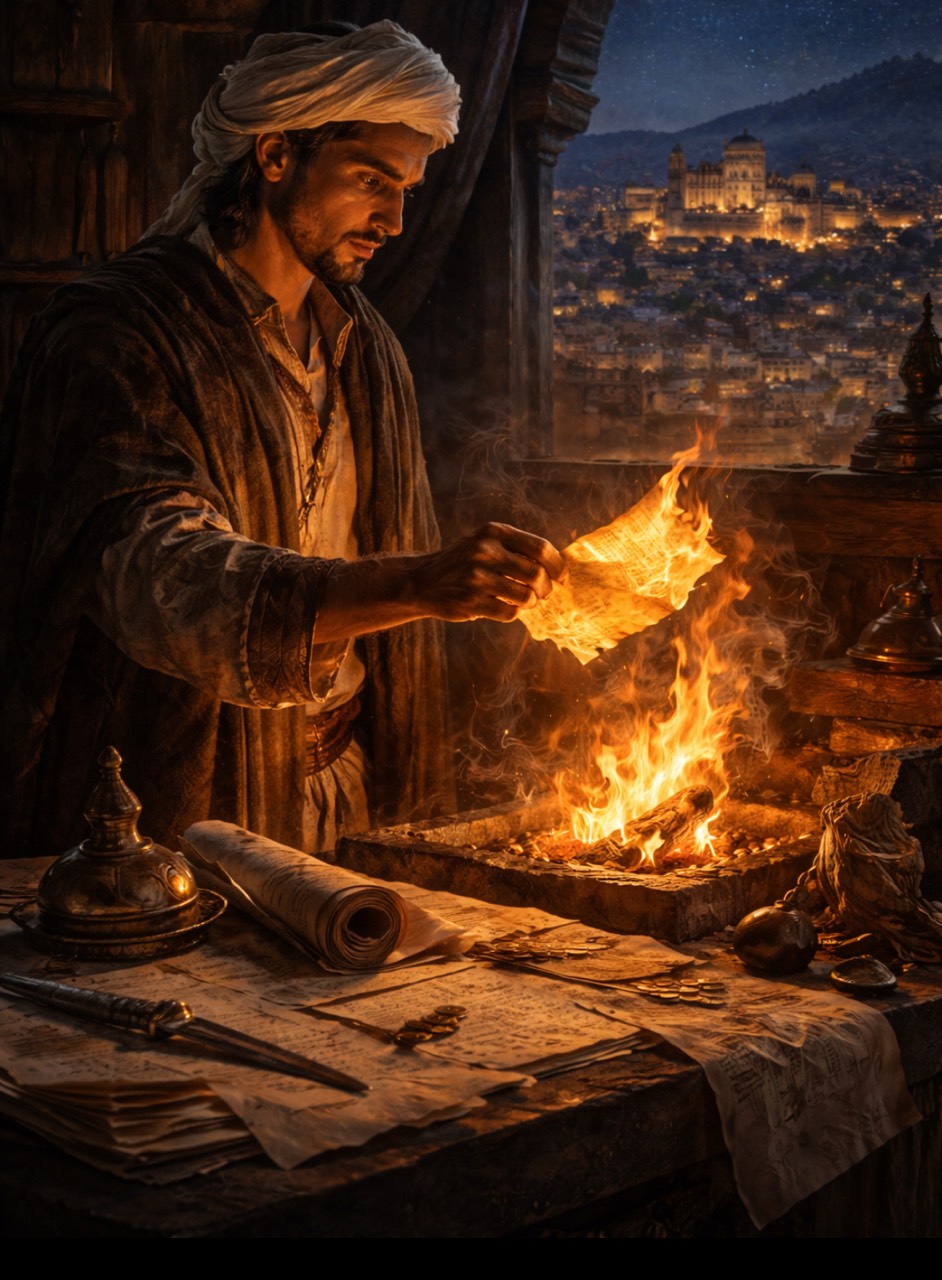
الرسالة التي لم تُحرَق في الأندلس، قبيل سقوط غرناطة بسنوات، كان هناك كاتب شاب في ديوان الحكم اسمه سليم. لم يكن قائدًا ولا فارسًا، بل ناسخًا للرسائل، يكتب ما يُملى عليه. في إحدى الليالي، وصلته رسالة سرّية موجهة إلى أحد قادة الحصون. فتحها ليُنسخها، فارتجف قلبه. كانت الرسالة تأمر بتسليم أحد المواقع الحساسة مقابل وعدٍ بالأمان الشخصي. خيانة صامتة… بمدادٍ رسمي. جلس سليم طويلًا. إن نسخها وأرسلها، ساهم في سقوط المدينة. وإن رفض، عرّض نفسه للموت. لم يكن بطلاً في ساحة حرب، بل إنسانًا وحيدًا أمام ورقة. نظر إلى النافذة، ورأى أضواء غرناطة في الليل. سمع في داخله سؤالًا واحدًا: “هل النجاة لنفسك تساوي ضياع وطن؟” أخذ الرسالة، ومشى إلى الموقد، وأحرقها. ثم كتب رسالة جديدة باسم الديوان، يحذر القائد من الفخ، ويدعوه للصمود. في الصباح، اكتُشف الأمر. اعتُقل سليم، واتُّهم بالخيانة العظمى. قال له القاضي: “لو أطعت، لعشت آمنًا.” أجاب بهدوء: “الأمان الذي يُشترى بالخيانة… موتٌ مؤجَّل.” سُجن سليم، وضاعت أخباره في زحام الأحداث. لكن الحصن صمد سنواتٍ أخرى، وأجّل سقوط المدينة، ومنح أهلها وقتًا للنجاة والهجرة. لم يُكتب اسمه في كتب التاريخ، لكن قراره في تلك الليلة… كتب صفحةً جديدة. الحكمة يا عزيزي: أخطر المعارك ليست بالسيوف، بل في اللحظة التي يختار فيها الإنسان بين نفسه ومبدئه. فقد تخسر حياتك، لكن تربح معنى لا يموت
The Letter That Was Never Sent In Al-Andalus, years before the fall of Granada, there was a young court scribe named Salim. He was not a warrior, not a general — just a man who copied official letters. One night, a sealed message arrived at the royal office. Salim opened it to transcribe it… and his hands trembled. The letter ordered a fortress commander to surrender a strategic position in exchange for personal safety. A quiet betrayal. Signed with authority. Salim sat alone for a long time. If he copied the letter and sent it, he would live safely. If he refused, he would likely die. He was not standing on a battlefield. He was standing before a sheet of paper. He looked out the window at the lights of Granada glowing in the night. One question burned inside him: “Is my safety worth the fall of a city?” Slowly, he walked to the fire. He burned the letter. Then he wrote a new one — warning the commander of the trap and urging him to stand firm. By morning, the deception was discovered. Salim was arrested and accused of treason. The judge told him, “If you had obeyed, you would have lived in peace.” Salim replied calmly, “Peace bought with betrayal is only delayed death.” He disappeared into prison. His name was never carved in stone. But the fortress held for years longer. The city gained time. Families escaped. Lives were saved. History never remembered the scribe. But one decision, made alone in the dark, changed everything. The lesson: The most dangerous battles are not fought with swords. They are fought in silence — when a person must choose between comfort and conscience.